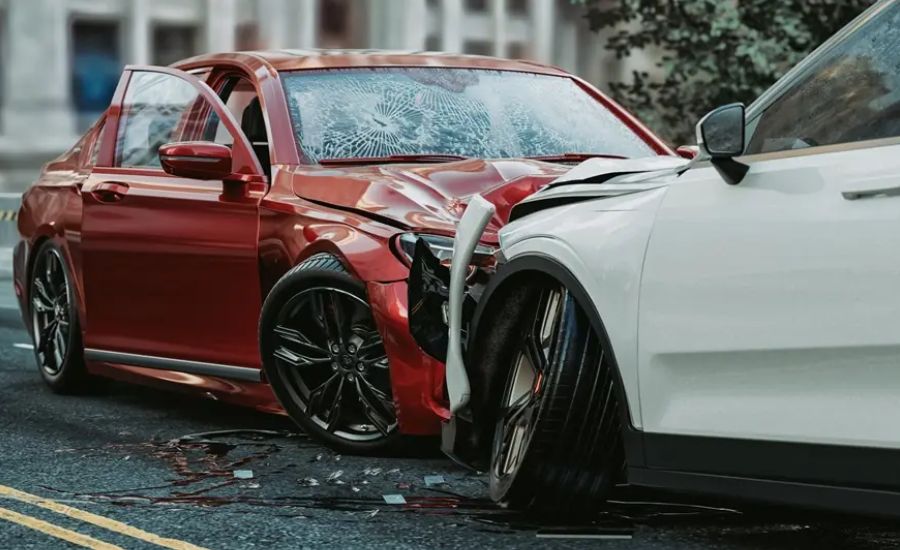
A police report is often one of the first documents people look at after a traffic accident. It may contain a diagram of the scene, statements from drivers and witnesses, observations from the responding officer, and an initial account of how the collision occurred. Because it is created by law enforcement, many people assume the report provides the final word on fault.
In reality, an initial police report is only one piece of the larger evidentiary picture. Officers often arrive after the collision has occurred and must make preliminary observations based on the information available at the time. Later evidence can sometimes clarify, complicate, or even contradict the original account. Understanding that distinction is important for anyone involved in an accident where the facts remain disputed.
Why an Initial Police Report May Not Tell the Whole Story
Police officers perform an essential role at accident scenes, but they face practical limitations. The vehicles may have been moved for safety, witnesses may be upset or unavailable, and physical evidence can be affected by weather, traffic, or emergency response efforts.
An officer may also need to document several accounts that conflict with one another. In those circumstances, the report may reflect the information that appeared most reliable at the scene without resolving every factual question.
A report can contain errors for ordinary reasons. A witness may have described events incorrectly, a driver may have been unable to explain what happened clearly after a serious collision, or an officer may have misunderstood the sequence of events. Diagrams and written descriptions can also contain inconsistencies that become apparent only when additional evidence is reviewed.
This does not make police reports unimportant. They often provide valuable details and can establish a useful starting point for an investigation. The key is recognizing that an initial report is not necessarily a complete reconstruction of the accident.
Evidence That Can Change the Understanding of a Crash
As more information becomes available, the circumstances surrounding an accident can look very different from the initial description.
Video and Digital Evidence
Dash cameras, intersection cameras, nearby business surveillance systems, and residential security cameras can capture events that no witness saw clearly. Video may reveal vehicle positions, traffic signals, lane changes, or the timing of a collision with greater precision than a written account.
Digital evidence can also help establish a timeline. Vehicle event data recorders, GPS information, and, where legally available, other electronic records may provide details about speed, braking, or movement immediately before impact.
Of course, digital evidence has limitations. A camera may capture only part of the incident, and a video without context can be misleading. Even so, objective recordings can be especially valuable when the parties offer sharply different versions of events.
Physical Evidence at the Scene
The damage to the vehicles, skid marks, debris patterns, and final resting positions can provide important clues about how a collision occurred. In more complicated cases, accident reconstruction professionals may examine these details alongside photographs and measurements.
Physical evidence can sometimes challenge an initial assumption about which vehicle struck first or how fast the vehicles were traveling. It can also reveal whether a mechanical issue or road condition played a role.
The strength of this evidence depends on how well it was documented and preserved. Once vehicles are repaired or a roadway changes, some details may be difficult to recreate.
Witness Statements Can Evolve Over Time
Witness testimony is valuable, but memory is not a recording device. A person who saw only a few seconds of an accident may later remember additional details after reviewing the event mentally. At the same time, memories can become less reliable as time passes or after witnesses discuss the accident with others.
For that reason, investigators often compare witness accounts with photographs, video, and physical evidence rather than relying on any single statement. Differences between accounts do not automatically mean someone is being dishonest. People standing at different locations may have genuinely seen different parts of the same event.
A careful investigation looks for points of agreement while testing statements against evidence that can be independently verified.
What Happens When New Evidence Contradicts the Report?
Discovering evidence that differs from a police report does not automatically invalidate the entire document. Instead, the new information must be evaluated alongside the original observations.
For example, an officer may initially conclude that one driver entered an intersection against a red light based on statements made at the scene. Later, traffic camera footage could show that the signal was malfunctioning or that another vehicle blocked the driver’s view of the intersection. The new evidence may not erase everything in the report, but it could change how responsibility is assessed.
This is where the distinction between an investigation and a final legal determination becomes important. Insurance companies, attorneys, and courts may review evidence beyond the police report when evaluating liability and damages.
When the evidence is complex or contradictory, consulting an accident lawyer can help an injured person understand how different forms of evidence may affect the broader assessment of a claim.
The Importance of Preserving Evidence Early
Some of the most useful evidence in an accident case is temporary. Security footage may be automatically deleted within days or weeks. Skid marks can disappear after rain or road repairs, and damaged vehicles may be repaired or disposed of before they can be examined.
Taking photographs, identifying witnesses, and keeping relevant documents can help preserve information that may later become important. Medical records can also provide context about injuries and the force involved in a collision, although they do not independently establish who caused the accident.
Prompt action has practical benefits, but it should not lead people to jump to conclusions. The goal is to preserve facts while they are available, not to force the evidence to support a predetermined theory.
Common Misunderstandings About Police Reports
Can a Police Report Be Wrong?
Yes. Like other records created under difficult circumstances, a police report can contain factual mistakes or incomplete information. An error in a report does not necessarily mean the entire report lacks value, but it may need to be considered in light of other evidence.
Does a Police Report Automatically Determine Fault?
Not always. The legal and insurance determination of fault can involve additional evidence, applicable traffic laws, witness testimony, and other circumstances. The significance of a report also varies depending on the jurisdiction and the type of proceeding.
Should New Evidence Be Ignored If the Report Seems Clear?
No. Relevant evidence should generally be evaluated on its own merits. A clear initial narrative can become less certain when reliable new information emerges.
Looking Beyond the First Version of Events
The first account of an accident is often written before all the facts are known. That is not a criticism of the reporting process; it is a reflection of how quickly responders must work and how much information may still be unavailable at the scene.
When later evidence tells a different story, the most useful approach is to examine the complete record carefully. Video footage, physical evidence, witness accounts, and professional analysis can each contribute to a more accurate understanding of what happened. In accident cases, the initial version of events may be important—but the evidence that emerges afterward can be just as important in determining where responsibility truly lies.
