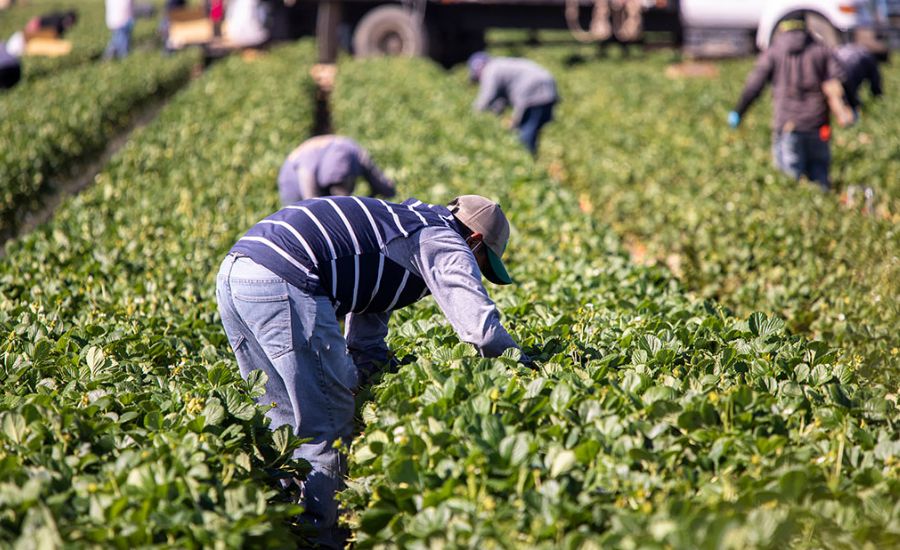
Agricultural work operates on a calendar that leaves little room for uncertainty. Planting, harvesting, pruning, and other seasonal activities must often happen within relatively narrow windows. For employers relying on the H-2A program, a worker’s expected arrival date may be closely tied to those operational needs.
That makes a delayed start particularly challenging. A worker may be unable to begin employment on the originally planned date because of visa processing delays, travel disruptions, personal emergencies, documentation issues, or circumstances beyond either party’s control. The employer may still need labor, while the worker may be trying to understand whether the job remains available.
A missed start date does not necessarily mean the employment relationship or immigration process has failed. However, employers should avoid treating a delay as a simple scheduling problem. H-2A employment involves specific terms and obligations, and the appropriate response can depend on why the worker is delayed, how long the delay is expected to last, and the status of the underlying application and employment arrangement.
Why the Start Date Matters in H-2A Employment
The H-2A program is designed to help agricultural employers address temporary or seasonal labor needs when the required conditions are met. The anticipated period of employment and start date are important parts of planning the workforce and completing the related application process.
Unlike an ordinary hiring situation, a delayed arrival can affect more than the employer’s internal schedule. Government filings, recruitment efforts, housing arrangements, transportation planning, and contractual obligations may all be connected to the expected employment period.
The practical concern is often immediate: the farm needs workers now. But responding too quickly without reviewing the circumstances can create separate compliance concerns.
Start by Determining Why the Worker Is Delayed
The first step is to establish what actually prevented the worker from starting as planned. Different causes may call for different responses.
Visa or Consular Processing Delays
Processing timelines can be unpredictable. A worker may have completed the required steps but still be waiting for a visa interview, administrative processing, or other action outside the employer’s direct control.
In these circumstances, employers should keep clear records of communications and monitor the status of the process. A delayed visa does not necessarily indicate that the worker has abandoned the job or that the employer should immediately assume the position is permanently unavailable.
Travel Disruptions
Flights can be canceled, border travel can be delayed, and unexpected events can interrupt transportation plans. If the worker is otherwise authorized to travel and the delay is short, the situation may primarily require careful communication and updated planning.
The employer should still consider whether the delayed arrival affects other obligations connected to the position and whether any notice or administrative action is appropriate.
Personal or Family Emergencies
Illness, family emergencies, or other personal circumstances can prevent a worker from beginning employment on schedule. These situations may be particularly difficult because an employer’s urgent labor needs can exist alongside a worker’s legitimate inability to travel.
Employers should avoid making assumptions about the worker’s intentions and should communicate clearly about whether and when the worker expects to be available.
How Long Is the Delay Expected to Last?
A delay of a few days may have a very different impact from a delay that extends for several weeks. Agricultural employers should assess the expected duration alongside the remaining period of employment and the nature of the work.
For example, a short delay before a longer harvesting season may be manageable with temporary adjustments. A lengthy delay during a brief and time-sensitive agricultural period may create more significant operational and legal questions.
The employer should also consider whether the original position will still exist when the worker becomes available. If the business has already filled the role or the seasonal need has passed, the situation may need to be evaluated differently than a simple postponed start.
Communication Should Be Clear and Documented
When an expected start date is missed, informal assumptions can create confusion quickly. Employers should maintain reasonable records of their communications with the worker and, when appropriate, other parties involved in the employment process.
Important information may include the original expected start date, the reason provided for the delay, anticipated availability, and any decisions about the position. Accurate records can help establish a timeline if questions arise later.
Communication should also be direct. If the employer is willing to accommodate a delayed arrival, the worker should understand what is expected. If changing business conditions make the original plan impossible, that should be addressed rather than leaving the worker uncertain about their status.
Avoid Making Unilateral Changes Without Reviewing the Requirements
When a worker cannot start on time, an employer may be tempted to change the employment period, adjust the duties, or replace the worker immediately. Those decisions can have consequences beyond ordinary workforce management.
H-2A employment is subject to program-specific rules, and the appropriate steps can depend on the circumstances of the case. A change that appears minor from an operational perspective may require a closer review of the underlying certification, job order, or immigration filing.
Before making a significant change to the original employment arrangement, it can be helpful to talk to an H-2A lawyer who can evaluate the facts in the context of the applicable requirements.
Can Another Worker Simply Fill the Position?
An employer facing an urgent labor shortage may understandably look for a replacement. Whether and how that can be done depends on the employer’s current workforce needs and the rules governing the particular H-2A employment situation.
The important point is that replacing one worker does not automatically resolve every obligation connected to the original position. Employers should understand what has happened with the delayed worker and review any responsibilities that may continue to apply.
This is also why early communication matters. If a delay is expected to be brief, the employer may make a different decision than if the worker cannot provide a realistic estimate of when they will be able to begin.
Practical Planning Can Reduce the Impact of Delays
No employer can eliminate every travel or processing delay, but preparation can make disruptions easier to manage. Maintaining communication channels with workers, tracking expected arrival milestones, and identifying potential operational contingencies can help farms respond without making rushed decisions.
It is also useful to involve the people responsible for immigration matters before a significant staffing decision is made. Farm managers may be focused on immediate production needs, while human resources personnel or outside advisers may have information about requirements that affect the available options.
A Missed Start Date Does Not Always End the Opportunity
A delayed start can be disruptive, especially when agricultural work follows a strict seasonal schedule. Still, the appropriate response depends on the reason for the delay and the facts surrounding the employment arrangement.
Employers should begin by gathering accurate information, communicating with the worker, and assessing how the delay affects the remaining work period. From there, they can evaluate whether the situation can be accommodated or whether additional steps are necessary.
The H-2A process adds structure to seasonal hiring, but it cannot prevent every unexpected event. A measured response to a delayed arrival one that considers both operational needs and the terms of the employment arrangement can help employers manage uncertainty while making decisions based on the circumstances actually in front of them.
