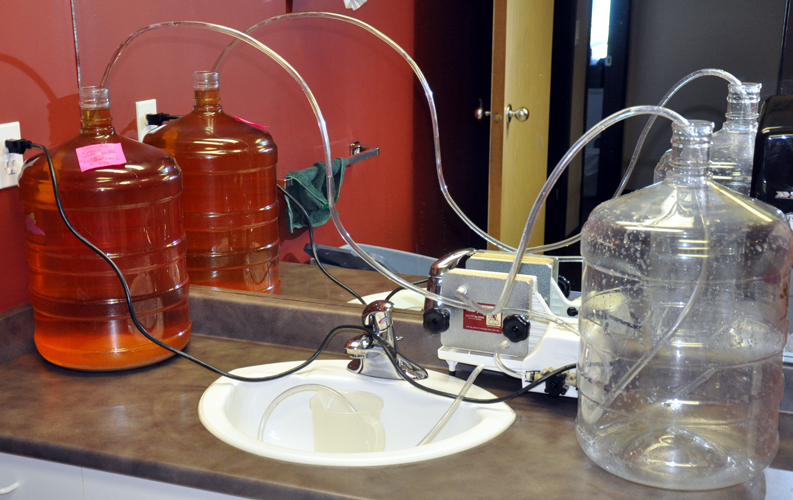
Fruit wine clarification and filtration equipment removes suspended solids to the level required for appearance, stability, and packaging while limiting product loss and aroma damage. should be selected from the required product, batch volume, production schedule, and quality target. The process may combine settling, flotation, centrifugation, fining, depth filtration, membrane filtration, or other steps based on the fruit and finished specification. A well-specified system delivers repeatable output without creating unnecessary labor, utility demand, or cleaning risk.
Fruit wine and cider equipment must handle variable solids, acidity, aroma, seasonal throughput, and gentle product movement. A useful design begins with the actual fruit and finished beverage rather than adapting a beer line without testing. Buyers evaluating wine equipment should document assumptions before requesting a quote so every supplier is pricing the same operating requirement.
What Job Must the Equipment Perform?
The process may combine settling, flotation, centrifugation, fining, depth filtration, membrane filtration, or other steps based on the fruit and finished specification. Define the incoming material, required transformation, and measurable output. Include normal production, startup, shutdown, changeover, and the least favorable operating condition. This prevents a machine from being sized only for an ideal steady-state run.
How Should Capacity Be Calculated?
Size from wine volume, incoming turbidity and solids, required finish, batch window, filter cycle, cleaning, media change, recovery, and peak packaging demand. Separate nominal vessel volume from working volume and separate instantaneous rate from daily output. Include fill, processing, transfer, cleaning, and turnaround time. Capacity should be checked against the slowest connected operation, not only the supplier’s headline rating.
Which Mechanical Features Matter Most?
Review settling tanks, dosing and mixing, flotation or centrifuge options, filter type and area, housings, pumps, pressure limits, turbidity points, and closed transfer design. Review geometry, supports, access, drainage, connections, seals, surface finish, insulation, and service clearances. Components should be reachable for inspection and replacement. A feature that cannot be cleaned or maintained safely can reduce real production availability.
Which Utilities Are Required?
Confirm electrical power, compressed gas or air where appropriate, refrigeration, inert gas, water, cleaning chemicals, drainage, media storage, and waste disposal. List flow, pressure, temperature, electrical load, peak demand, and connection point for every utility. Compare simultaneous demand during production and cleaning. Confirm what is included in the equipment package and what the site must provide.
How Much Automation Is Appropriate?
Use pressure, differential pressure, flow, turbidity, temperature, tank level, batch records, alarms, and controlled diversion when quality moves outside the target. Controls should protect the process and simplify repeat work without making basic operation dependent on inaccessible programming. Identify critical alarms, permissives, data records, manual modes, remote support, and the response after a power or utility interruption.
How Will the Equipment Be Cleaned?
Validate product displacement, backflush or CIP, membrane compatibility, housing inspection, media handling, rinse verification, and protection from microbial recontamination. Map every product-contact path from source to drain. Confirm spray coverage, velocities where relevant, chemical compatibility, temperatures, return conditions, dead-leg control, and verification points. Cleaning time must be included in the production schedule.
How Does It Connect to the Rest of the Line?
Coordinate maturation, fining, cold stabilization, receiving and filtrate tanks, oxygen control, sterile boundaries where needed, and packaging release. Check elevations, hose or pipe routes, valve logic, pump duty, transfer shear, buffer capacity, and control handshakes. Upstream and downstream equipment should be able to start, stop, and recover without product loss or unsafe pressure.
What Common Specification Errors Should Be Avoided?
Mistakes include choosing a final filter to remove all upstream solids, undersized prefiltration, aggressive pumps, no recovery plan, and comparing nominal ratings without wine trials. Avoid choosing only by purchase price, gross volume, or a photograph of a similar installation. Small omissions in access, instrumentation, fittings, drainage, or utility capacity can become permanent operating costs after commissioning.
How Should Performance Be Verified?
Run representative high- and low-solids wine; measure throughput, differential pressure, turbidity, yield, oxygen pickup, aroma, microbial result where required, cleaning, and media use. Agree on measurable acceptance criteria before fabrication or shipment. Separate factory checks from site tests and product trials. Record instruments, test conditions, tolerances, responsibilities, corrective action, and the evidence required for acceptance.
What Is a Practical Selection Process?
Use a staged review so process requirements remain connected to mechanical and commercial decisions. Keep one controlled specification and record every accepted deviation.
- Define products, recipes, annual volume, batch sizes, operating days, and growth assumptions.
- Draw the process flow and identify the required rate, hold time, and buffer at each step.
- Create a utility and cleaning schedule based on simultaneous peak demand.
- Review drawings, product-contact details, controls, access, and maintenance clearances.
- Run factory, site, and product acceptance tests against written criteria.
- Train operators, retain settings and spare-parts data, and review performance after startup.
What Information Should Be Included in the Request for Quote?
Provide product properties, recipes, batch and annual volumes, required rates, operating schedule, facility layout, utilities, preferred automation, cleaning method, applicable codes, delivery scope, and acceptance tests. A supplier of fruit wine equipment also needs a clear boundary between equipment, installation, commissioning, and site work.
Request a written list of inclusions, exclusions, optional items, documentation, spare parts, warranty terms, service response, and lead-time assumptions. Compare lifecycle value, not only the base machine price. The best purchase is the system that can be installed, cleaned, operated, maintained, and expanded with predictable results.
How Should Future Expansion Be Protected?
Reserve practical floor space, utility capacity, control-panel room, pipe connections, and access for the next realistic production step. Expansion points should be capped, documented, and located where future work will not interrupt hygienic operations.
Do not oversize every component automatically. Oversized vessels, pumps, and heating systems can perform poorly at small loads. Use modular additions or a defined operating range when growth is uncertain, and confirm that today’s equipment can still run efficiently after the expansion.
Which Documents Should Be Delivered With the Equipment?
Require approved drawings, product-contact material records, component data sheets, utility requirements, control descriptions, electrical information, spare-parts lists, maintenance instructions, cleaning guidance, certificates applicable to the project, and factory test results. Document names and revision status should match the installed equipment.
Before final payment, confirm that operators can identify every valve, instrument, setting, alarm, service item, and safe isolation point. Store an electronic backup of programs and settings where permitted. Complete documentation turns commissioning knowledge into a repeatable operating standard and makes future troubleshooting, training, and expansion faster.
