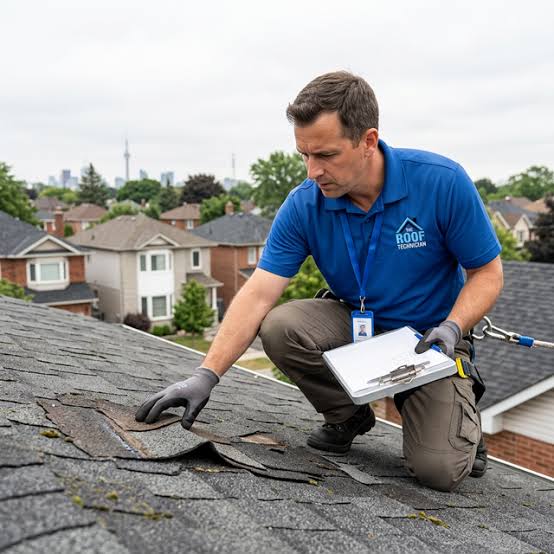
Investing in a new roof is one of the most substantial financial commitments a homeowner in the Greater Toronto Area (GTA) will make. However, the true return on that investment depends entirely on system longevity. While many roofing products come stamped with long-term material warranties, a surprising number of residential roofs in Southern Ontario fail prematurely within 10 to 15 years.
Toronto’s climate presents a rigorous testing ground for building envelopes. The region experiences intense freeze-thaw cycles in winter, severe ice accumulation, high-velocity atmospheric windstorms, heavy spring rains, and extreme summer thermal shocks. Achieving a true 25-plus-year operational lifespan requires far more than simply nailing down surface shingles. It demands premium material selection, precision craftsmanship, thorough structural prep work, and optimal attic thermodynamics. Here is what separates a short-lived roof from an installation built to endure for decades.
1. High-Performance Climate-Resilient Material Selection
The first foundation of a 25-plus-year roof is selecting materials engineered specifically to withstand Southern Ontario’s unique weather extremes.
- Class 4 Impact-Resistant Shingles: Choosing heavy-duty architectural shingles or composite tiles rated for Class 4 impact resistance ensures the roof can absorb punishment from severe hail storms and falling ice without cracking or losing granules.
- High-Wind Resistance Adhesive Ratings: Shingles equipped with advanced, factory-applied sealant strips and heavy polymer backings resist wind uplift forces exceeding 200 km/h, preventing shingle blow-offs during intense severe weather events.
- UV-Stabilized Asphalt Binders: Top-tier roofing products utilize specialized asphalt formulas and UV-reflective granules that prevent the material from drying out, blistering, and cracking under intense summer sun exposure.
By investing in a complete, climate-resilient system installed by verified trade professionals like https://therooftechnician.ca, Toronto homeowners can protect their properties against Southern Ontario’s tough weather extremes, lower annual maintenance costs, and enjoy decades of complete peace of mind.
2. Comprehensive Tear-Off and Deck Inspection
A long-lasting roof cannot be built on an unstable foundation. Installing new materials over old layers—known as an overlay—is a major cause of premature system failure.
- Complete Tear-Off Protocol: A quality installation always starts by stripping the old roof down to the bare wooden decking. This step is essential for revealing hidden water damage, rotted plywood, and structural rafter stress.
- Decking Repairs and Reinforcement: Any damaged, warped, or rotted plywood or oriented strand board (OSB) sheathing must be removed and replaced with fresh, structural-grade panels before laying new materials.
- Re-Nailing the Roof Sheathing: Experienced crews re-nail existing roof deck boards to the underlying rafters using heavy-gauge fasteners to eliminate squeaks, prevent board movement, and reinforce the building’s wind resistance.
3. Multi-Layered Waterproofing and Underlayment Protections
Shingles are designed to shed water, but they are not entirely waterproof on their own during severe weather events. True longevity relies on heavy-duty underlayment systems beneath the primary surface.
- Self-Adhering Ice and Water Shields: High-performance installations feature self-adhering polymer-modified bitumen membranes along high-risk zones. These barriers melt-seal around nail penetrations to block backed-up meltwater.
- Extended Perimeter Defense: To prevent winter ice dam leaks, waterproof membranes should extend at least six feet up from the eaves, as well as along all valleys, roof-to-wall intersections, skylights, and chimneys.
- Synthetic Deck Underlayments: Replacing old-fashioned asphalt felt paper with tear-resistant, high-density synthetic underlayment across the main roof deck provides a durable secondary barrier against wind-driven rain.
4. Flashing Precision and Custom Metal Detailing
Flashing failures account for the vast majority of residential roof leaks. A system engineered for a 25-plus-year lifespan requires superior metalwork at all joints, angles, and roof penetrations.
- Heavy-Gauge Metal Materials: Utilizing corrosion-resistant aluminum, galvanized steel, or copper flashing ensures that joint protections outlast the surrounding shingles.
- Step and Counter-Flashing Integration: Proper masonry installation around brick chimneys requires two-piece step and counter-flashing let into mortar joints, rather than relying strictly on surface-applied caulk that degrades within a few seasons.
- Drip Edge Metal Along Eaves and Rakes: Installing rigid metal drip edges along all roof perimeters directs water cleanly into gutters, preventing rot along fascia boards and deck edges.
- High-Grade Vent Boots: Replacing basic rubber pipe boots—which degrade from solar exposure within 10 years—with heavy-duty metal or UV-resistant lead boot assemblies ensures leak-free plumbing stack penetrations.
5. Attic Ventilation and Thermal Balancing
A roof surface exposed to harsh climate conditions is only as durable as the ventilation system supporting it from underneath. Poor attic airflow can destroy a roof from the inside out within a single decade.
- Balanced Net Free Vent Area (NFVA): Achieving a precise 50/50 balance between soffit intake vents and ridge exhaust vents maintains continuous airflow through the attic space.
- Ice Dam Prevention: Continuous ventilation keeps winter attic ambient temperatures close to outdoor temperatures, preventing heat from escaping through the ceiling and melting snow on the upper roof deck.
- Elimination of Summer Thermal Shock: Proper exhaust venting vents trapped summer attic heat (which can reach over 60°C), preventing shingle blistering and premature asphalt breakdown.
- Moisture Evacuation: Airflow sweeps out humid indoor air escaping from living spaces, preventing winter frost accumulation, wood sheathing rot, and mold growth.
6. Precision Fastener Placement and Installation Workmanship
Even the highest-grade materials will fail rapidly if installed with poor workmanship. Technical execution during application determines overall system life.
- Correct Nail Placement and Depth: Fasteners must be driven straight and flush into the designated manufacturer nail line. Over-driven nails puncture shingles, while under-driven nails cause tear-offs during high winds.
- Correct Nail Counts per Shingle: Increasing fastener density from standard 4-nail patterns to 6-nail high-wind installation standards provides maximum resistance against wind uplift along vulnerable edges.
- Proper Temperature Application: Quality crews adjust installation practices during cold-weather installations, hand-sealing shingle courses when ambient temperatures drop too low for factory adhesive strips to self-seal naturally.
7. Integrated Eavestrough and Drainage Management
Controlling where water flows after leaving the roof deck is essential for preserving the roof structure, fascia boards, and foundation.
- Seamless Heavy-Gauge Eavestroughs: Installing properly pitched seamless aluminum gutters prevents standing water from rusting fasteners and rotting eave structures.
- Unrestricted Water Flow: Keeping valleys, scuppers, and gutter lines completely free of obstructions allows rapid runoff during extreme rainstorms.
- Foundation Diversion: Extending downspouts at least six to eight feet away from home foundation walls prevents ground-level water pooling and localized moisture damage.
The Value of Long-Term Craftsmanship
A roof installation that lasts 25-plus years in Toronto is not the result of luck or cheap shortcuts. It requires a comprehensive approach that combines high-performance materials, multi-layered waterproofing, custom metal flashing, balanced attic ventilation, and rigorous installation craftsmanship.
