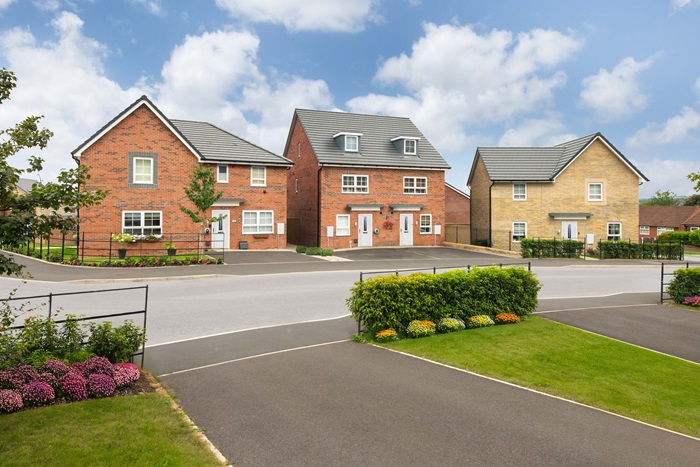
Buying a New Build Property Manchester can be an appealing option for homebuyers looking for modern accommodation, energy efficiency and less immediate maintenance. Manchester’s expanding population, thriving economy and ongoing regeneration have encouraged developers to build new homes across the city and surrounding areas. However, buying a new-build property involves different considerations from purchasing an older home, so understanding the process can help buyers make a confident and informed decision.
Why Choose a New-Build Property?
One of the main advantages of buying a new-build home is that everything is fresh and designed to meet modern standards. Buyers can often move into a property without needing to budget immediately for major renovations, replacing outdated kitchens or upgrading bathrooms.
New homes are also generally designed with energy efficiency in mind. Better insulation, modern heating systems and energy-efficient windows can potentially help reduce household energy consumption compared with some older properties.
For busy buyers, the reduced maintenance associated with a new home can also be attractive. Although every property requires ongoing care, a recently constructed home should not normally require the same level of immediate refurbishment as an older property.
Choosing the Right Manchester Location
The property itself is only one part of the decision. Location remains crucial when buying a new-build home in Manchester.
Developments can be found across the city and Greater Manchester, ranging from city-centre apartments to larger suburban houses. The right choice will depend on your lifestyle, budget and long-term plans.
City-centre developments may appeal to professionals who want to live close to offices, restaurants, entertainment and transport links. Areas undergoing regeneration can also offer modern housing alongside improving amenities.
For families, suburban locations may be more suitable, particularly where there are schools, parks, shops and convenient transport connections nearby.
Before committing to a development, visit the surrounding area at different times of day. A location that appears attractive during a weekend viewing may feel very different during weekday commuting hours.
Research the Developer
Not all new-build developments are identical, and the reputation of the developer should form part of your research.
Look at previous developments completed by the company and, where possible, visit some of them. This can provide an opportunity to assess construction quality, communal areas and how well completed properties have been maintained.
Online reviews can also provide useful insights, although they should be considered alongside other evidence. Pay attention to recurring comments about build quality, aftercare and communication.
A developer with a strong track record and an established customer service process can provide additional reassurance, particularly if problems arise after completion.
Understand What Is Included
The advertised price of a new-build property does not always tell the complete story. Buyers should establish exactly what is included before making a decision.
Ask whether flooring, kitchen appliances, fitted wardrobes, lighting and other fixtures are included in the purchase price. Some developments may offer different specification levels or optional upgrades.
It is also important to understand the costs associated with communal areas if you are purchasing an apartment. Service charges can vary depending on the building and facilities provided.
Request a clear breakdown of expected ongoing costs and consider how these could affect your monthly budget.
Buying Off-Plan
Some buyers purchase new-build properties before construction has been completed. This is known as buying off-plan.
One advantage is that buyers may be able to select certain finishes or fittings, depending on the stage of construction. There may also be opportunities to purchase at an earlier stage of a development.
However, buying off-plan comes with additional uncertainty. Completion dates can change, and the finished property may not look exactly as imagined from plans, brochures or computer-generated images.
Before exchanging contracts, make sure you understand the expected completion period and the terms of your agreement.
Check the Warranty
New-build properties generally come with a structural warranty or similar protection. Buyers should understand what the warranty covers, how long it lasts and the process for reporting defects.
A warranty does not mean that buyers should ignore potential problems. It is still important to inspect the property carefully and report issues through the appropriate channels.
Understanding the warranty documentation before completion can help you know what protection is available should a significant construction issue arise.
Get an Independent Inspection
Although a new property may be brand new, it is not necessarily perfect. Minor defects and unfinished details can sometimes occur during construction.
An independent inspection can identify issues that buyers may overlook during a standard viewing. This can include problems with doors, windows, fittings, flooring, plumbing or finishing work.
A professional inspection can therefore provide useful reassurance and give buyers an opportunity to raise relevant issues with the developer.
The Importance of the Snagging Process
Snagging involves identifying defects or unfinished work in a newly built property. These might range from small cosmetic imperfections to more significant issues requiring attention.
Buyers should inspect the property carefully and keep a written record of anything that needs correcting. Photographs can also be useful when documenting problems.
Do not assume that a small defect is too insignificant to report. Individually, minor issues may seem unimportant, but identifying and resolving them early can help ensure the property is completed to the expected standard.
Consider Future Resale Appeal
Even if you are buying a new-build property as your forever home, it is worth considering its potential appeal to future buyers.
Location, transport links, local amenities, property layout and the reputation of the development can all influence resale demand.
Buyers should also investigate how many similar properties are being built nearby. A development with a large number of almost identical homes could face greater competition when owners eventually decide to sell.
Thinking about future demand can help buyers make a decision that works both for their current circumstances and longer-term plans.
New Builds and Property Investment
New-build homes can also appeal to property investors. Modern accommodation may attract tenants who value energy efficiency, contemporary interiors and low immediate maintenance requirements.
However, investors should calculate the potential rental return carefully. Purchase price, service charges, management costs, mortgage payments, insurance, maintenance and potential void periods all need to be considered.
The strongest investment is not necessarily the newest property. Location and sustainable tenant demand remain essential factors when assessing rental opportunities.
Review the Financial Details Carefully
Before committing to a purchase, buyers should understand all costs associated with the transaction. These can include the purchase price, mortgage costs, legal fees, surveys, moving expenses and any applicable taxes.
For leasehold properties, ongoing service charges and other costs should be examined particularly carefully.
Buyers should also avoid stretching their finances simply because a developer offers incentives or upgrades. A property should remain affordable based on the buyer’s overall financial position rather than the attractiveness of a short-term promotion.
Take Your Time Before Committing
The excitement of buying a brand-new home can make it tempting to make a quick decision. However, buyers should take the time to compare developments, locations and specifications.
Ask questions about completion dates, warranties, service charges, included features and aftercare. Read contracts carefully and seek independent professional advice where appropriate.
Making a Confident New-Build Purchase
Manchester’s growing property market means buyers have an increasing choice of new-build homes, from contemporary city-centre apartments to modern family houses in developing neighbourhoods.
The appeal is clear: modern design, energy efficiency, lower initial maintenance and the opportunity to personalise certain aspects of a home can all make new builds attractive.
Nevertheless, buyers should look beyond the showroom and consider the complete picture. Researching the developer, investigating the location, checking the specification, understanding ongoing costs and completing a thorough snagging process can all help reduce surprises.
Ultimately, the best new-build purchase is one that meets your needs today while remaining financially sensible and desirable for the future. With careful research and professional guidance, buying a new home in Manchester can be a rewarding step towards long-term home ownership or property investment.
