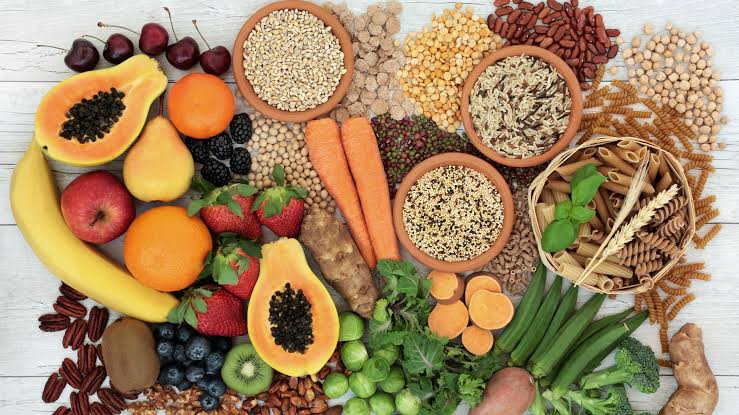
The food industry is undergoing a major transformation. Consumers today are not only interested in taste, convenience, and price—they also want to know what goes into the food they consume. Ingredient labels are being examined more carefully, and products made with recognizable, naturally sourced ingredients are gaining attention.
This growing awareness has increased the demand for natural food ingredients and clean label food ingredients. For food manufacturers, these ingredients offer an opportunity to develop products that combine functionality, quality, and consumer-friendly formulations.
What Are Natural Food Ingredients?
Natural food ingredients are derived from naturally occurring sources such as fruits, vegetables, plants, spices, algae, and other botanical materials. Depending on the ingredient, they can contribute color, flavor, texture, nutrition, or other functional properties to a food product.
Some common examples include:
- Natural food colors
- Fruit and vegetable concentrates
- Botanical extracts
- Natural flavors
- Plant-based proteins
- Natural sweeteners
- Dietary fibers
- Herbs and spices
- Plant-derived functional ingredients
These ingredients are increasingly being incorporated into food formulations as manufacturers respond to changing consumer expectations.
Understanding Clean Label Food Ingredients
There is no single universal definition of “clean label.” In general, the term is associated with products that have simple, recognizable, and transparent ingredient lists.
Consumers often associate clean-label products with:
- Familiar ingredient names
- Naturally sourced ingredients
- Fewer artificial additives
- Simple formulations
- Greater ingredient transparency
- Responsible sourcing
Clean-label formulation is therefore not simply about removing an ingredient. It is about finding suitable alternatives that can perform effectively while supporting a simpler product proposition.
Why Is the Demand for Natural and Clean Label Ingredients Growing?
Several factors are influencing the shift toward natural and clean-label formulations.
Greater Ingredient Awareness
Consumers increasingly read food labels before purchasing products. Ingredients that are easy to understand can make products more approachable.
Health and Wellness Trends
Growing interest in balanced diets and wellness has encouraged consumers to look for products that fit their lifestyle and ingredient preferences.
Plant-Based Food Growth
The expansion of vegan and vegetarian food categories has increased demand for plant-derived ingredients across multiple applications.
Product Transparency
Consumers increasingly want brands to communicate clearly about their ingredients and sourcing.
Premiumization
Natural and clean-label ingredients are also being used by brands to create premium product experiences and differentiate themselves in competitive markets.
Natural Food Colors: An Important Part of Clean Label Formulation
Color is one of the first characteristics consumers notice in a food product. It can influence expectations around flavor, freshness, and quality.
Natural food colors provide an alternative approach to achieving attractive shades using naturally derived sources.
Examples include:
- Annatto – yellow to orange shades
- Paprika – orange to red shades
- Beta carotene – yellow to orange shades
- Beetroot – red and pink shades
- Turmeric – yellow shades
- Chlorophyll – green shades
- Spirulina – blue and blue-green shades
- Anthocyanins – red, purple, and blue shades depending on the formulation
These colors can be used in beverages, dairy products, bakery products, confectionery, snacks, sauces, and other food applications.
Other Natural Food Ingredients
Clean-label product development extends far beyond food colors.
Natural Flavors
Natural flavors derived from fruits, herbs, spices, and botanicals can help create authentic sensory profiles.
Natural Sweeteners
Ingredients such as stevia, fruit concentrates, honey, and other naturally sourced sweetening solutions can be used in different formulations.
Plant-Based Proteins
Pea, soy, rice, and other plant proteins are increasingly important in alternative protein and nutritional products.
Fibers and Functional Ingredients
Naturally derived fibers, starches, and other functional ingredients can contribute to texture, mouthfeel, and product structure.
Botanical Ingredients
Plant extracts and botanicals are increasingly used in beverages, functional foods, and wellness-oriented products.
Applications Across the Food Industry
Natural food ingredients and clean-label ingredients have applications across almost every major food category.
Beverages
Juices, flavored waters, functional beverages, sports drinks, and plant-based drinks can use natural colors, flavors, sweeteners, and botanical ingredients.
Dairy and Dairy Alternatives
Yogurts, ice creams, flavored milk, plant-based milk products, and desserts can benefit from natural color and flavor systems.
Bakery
Cakes, biscuits, cookies, creams, fillings, and coatings can incorporate natural ingredients to improve appearance and sensory appeal.
Confectionery
Candies, gummies, chocolates, jellies, and coatings can use naturally derived colors and flavors to create distinctive products.
Snacks and Savory Foods
Chips, seasonings, sauces, soups, and ready-to-eat products can incorporate natural colors, spices, flavors, and functional ingredients.
Challenges in Clean Label Formulation
Moving toward natural and clean-label ingredients can present technical challenges.
Stability
Some natural ingredients can be sensitive to heat, light, oxygen, or pH.
Consistency
Natural raw materials can vary according to geographical origin, climate, harvest, and processing conditions.
Shelf Life
Replacing conventional additives may require additional formulation work to achieve the desired shelf-life performance.
Processing Conditions
Ingredients need to be selected according to the manufacturing process, including heating, cooling, drying, mixing, and storage.
Cost
Naturally sourced ingredients can sometimes involve more complex sourcing and processing requirements.
These challenges make technical expertise and application-specific ingredient selection particularly important.
How Ingredient Manufacturers Support Clean Label Development
Ingredient manufacturers play an important role in helping food companies transition toward natural and clean-label formulations.
Their work can include:
- Developing naturally sourced ingredients
- Improving pigment and ingredient stability
- Creating application-specific formulations
- Optimizing ingredient performance
- Supporting product development
- Maintaining consistent quality
- Helping manufacturers meet applicable regulatory requirements
Advances in extraction, stabilization, encapsulation, and formulation technologies are also improving the performance of natural ingredients.
The Future of Natural and Clean Label Ingredients
The shift toward natural and clean-label food products is expected to continue as consumers become more informed and ingredient-conscious.
Future developments are likely to focus on improving the stability, consistency, functionality, and sustainability of natural ingredients. This will allow manufacturers to use naturally sourced solutions in an increasingly broad range of food applications.
For food brands, the opportunity is not simply to replace synthetic ingredients. It is to develop better products that combine quality, functionality, visual appeal, and ingredient transparency.
Final Thoughts
Natural food ingredients and clean label food ingredients are becoming an important part of modern food product development. From natural colors and flavors to plant-based proteins, fibers, sweeteners, and botanical ingredients, these solutions are helping manufacturers respond to changing consumer expectations.
As demand for transparency and naturally sourced ingredients continues to grow, food manufacturers will increasingly need ingredient solutions that deliver both consumer appeal and technical performance.
The future of food formulation is likely to be defined by this balance—creating products that perform well, look appealing, taste great, and contain ingredients consumers can understand and trust.
