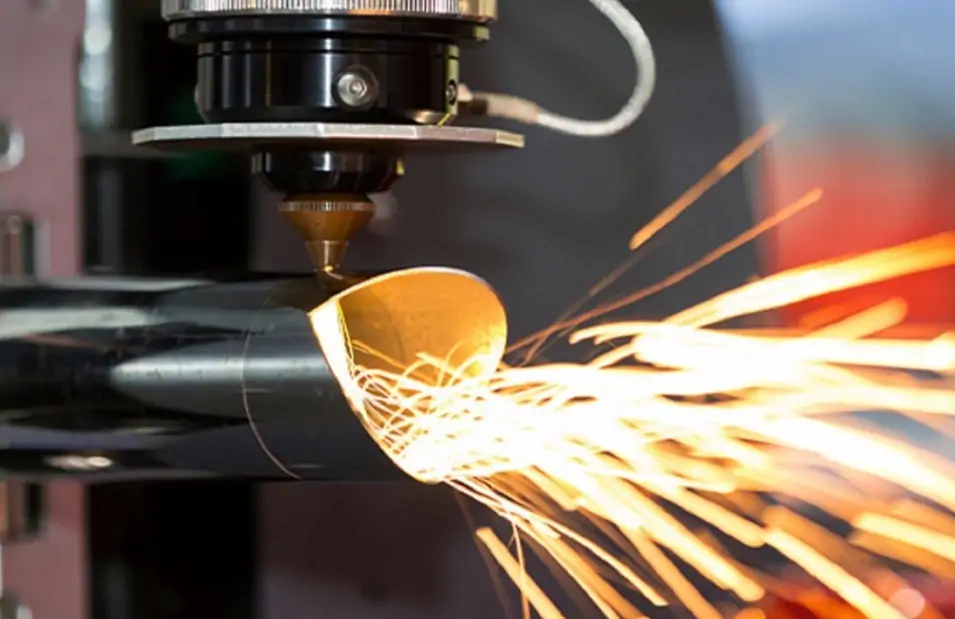
Metal fabrication is the backbone of modern manufacturing. It turns raw metal stock into parts, frames, and finished products used in nearly every industry. From cars to buildings to electronics, fabricated metal is everywhere. Understanding the main fabrication processes helps buyers choose the right method for their project. It also helps engineers design parts that are easier and cheaper to produce.
This article looks at the most common metal fabrication processes and explains where each one fits best.
Sheet Metal Fabrication
Sheet metal fabrication shapes thin, flat sheets of metal into finished parts. It usually involves cutting, bending, and joining steps. Common techniques include laser cutting, punching, and press braking.
This process works well for enclosures, brackets, panels, and housings. It suits both small production runs and large ones. Many companies look for a reliable China Sheet Metal Fabrication Service – AIXI when they need affordable, high quality parts without long lead times. Sheet metal parts are lightweight, strong, and simple to customize, which makes them popular in electronics, appliances, and automotive interiors.
Welding and Joining
Welding joins two or more metal pieces using heat, pressure, or both. It creates a strong, permanent bond. There are several welding methods, including MIG, TIG, and arc welding. Each method suits different metals and thicknesses.
MIG welding is fast and works well for thicker materials. TIG welding gives a cleaner finish and suits thin or delicate parts. Welding is used to build structures, frames, pipelines, and machinery.
It is also common in repair work, since it can fix cracks or worn parts without replacing the whole component. Good welding requires skill, since poor joints can weaken a structure over time.
Casting and Forming
Casting pours molten metal into a mold, where it cools and takes the shape of the cavity. This method suits complex shapes that are hard to machine directly. Common casting types include sand casting, die casting, and investment casting.
Each type balances cost, detail, and production speed differently. Forming, on the other hand, shapes metal without melting it. Processes like stamping, forging, and rolling fall under this category.
Forming often improves the strength of the metal, since it aligns the internal grain structure. Casting and forming are widely used in automotive parts, tools, and heavy equipment.
CNC Machining
CNC machining removes material from a solid block of metal to create a precise part. It uses computer controlled tools to cut, drill, or shape the metal with high accuracy. This process suits parts that need tight tolerances or complex geometry.
Custom CNC Milling Machining is often chosen when a design requires fine detail, smooth surfaces, or repeatable precision across many units. CNC machining works with a wide range of metals, including aluminum, steel, brass, and titanium.
It is common in aerospace, medical devices, and precision equipment, where even small errors can cause big problems.
Extrusion and Rolling
Extrusion pushes metal through a shaped die to create long parts with a consistent cross section. This process is common for making rods, tubes, and structural beams. It works especially well with softer metals like aluminum.
Rolling passes metal between rollers to reduce its thickness or change its shape. Hot rolling and cold rolling produce different surface finishes and mechanical properties. Both extrusion and rolling are efficient for large volume production, since they can run continuously.
These processes supply raw material that other fabrication methods, like cutting and welding, later shape into finished parts.
Finishing Processes
After the main shaping is done, most metal parts need finishing work. This can include grinding, polishing, sandblasting, or coating.
Finishing improves the appearance of a part and can also protect it from rust or wear. Powder coating and anodizing are popular choices, since they add a durable layer without much added cost.
Finishing is often the last step before a part is assembled or shipped. Skipping this step can leave sharp edges, rough surfaces, or exposed metal that wears out faster.
Choosing the Right Process
No single fabrication method works for every project. The right choice depends on the material, the shape, the required tolerance, and the production volume. Simple flat parts often suit sheet metal fabrication.
Complex shapes may need casting. Parts with tight tolerances usually call for CNC machining. Large structural components often depend on welding or forming. Cost also plays a role, since some processes are cheaper at high volumes while others are better for small batches or prototypes. Talking with an experienced fabrication partner can help narrow down the best option for a specific design.
Conclusion
Metal fabrication covers a wide range of processes, each suited to different needs. Sheet metal fabrication offers flexibility and speed for thin, flat parts. Welding joins components into strong structures. Casting and forming handle complex shapes and improve material strength. CNC machining delivers precision for detailed designs.
Extrusion and rolling supply raw shapes for further work, while finishing processes protect and improve the final product. Knowing these methods helps businesses and engineers pick the right process for their project, saving time, money, and effort in the long run.
