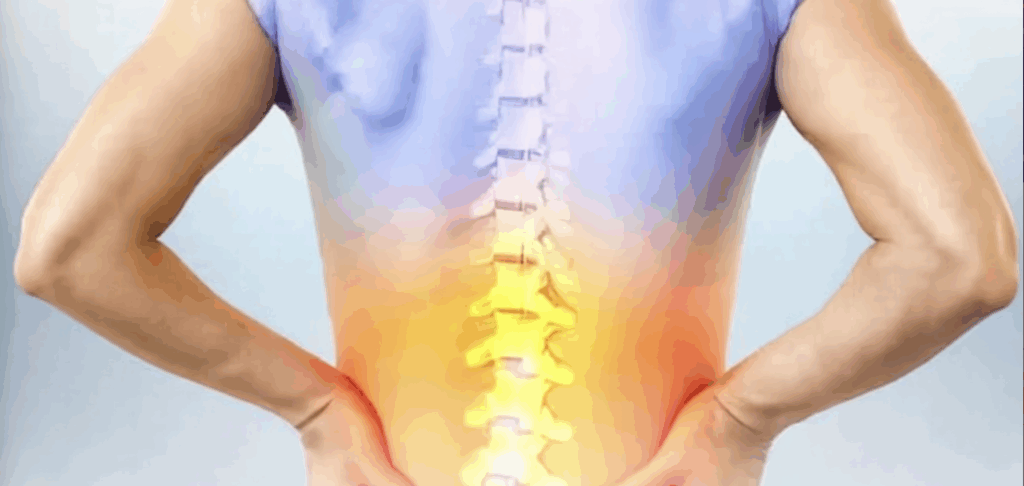
The biomechanical alignment of the human skeleton during prolonged rest serves as the primary factor in determining sleep depth and structural health. When an individual rests on an unsupportive sleep surface, the natural curvature of the spine is subjected to continuous mechanical strain, leading to localized muscle tension, lumbar stiffness, and chronic back pain. Orthopaedic sleep engineering focuses on mitigating these physical alignment challenges by creating targeted counter-pressure structures. High-tension pocket springs and dense natural fillings work together to distribute body weight evenly across the entire surface area, minimizing pressure spikes around the hips and shoulder blades.
For sleeper profiles requiring maximized spinal support, selecting an extra-firm core is a vital operational choice. Consulting a targeted Hypnos Orthos range review allows buyers to analyze how high-tension steel pocket springs and dense natural upholstery layers perform under heavy weight profiles. This structural stability keeps the musculoskeletal system in a neutral alignment throughout the night, completely eliminating the morning aches and lower back stiffness that are typically caused by soft or worn-out mattress layers.
Optimizing your structural sleep health requires an analytical approach to mattress components. By matching your body weight profile with high-tension support systems, you can preserve your physical well-being and maximize daytime productivity.
The Biomechanical Advantages of High-Tension Support Surfaces
Extra-firm sleep systems deliver distinct orthopaedic benefits that protect your skeletal frame from progressive postural decline.
Eliminating the Pelvic Sinking Phenomenon
Heavier zones of the human anatomy, particularly the pelvic region, exert the highest concentration of downward force during sleep. Soft surfaces give way under this concentrated weight, causing the lower spine to bend into an unnatural position. High-tension steel pocket springs counteract this downward force effectively, keeping the lower back in a stable, flat position to ensure full muscle recovery.
Minimizing Nocturnal Toss and Turn Matrices
When a mattress surface sinks unevenly, the body is forced to engage local muscle groups unconsciously to maintain balance. This continuous muscle engagement triggers frequent nocturnal awakenings and tosses, disrupting your deep sleep cycles. A firm, stable foundation allows the body to relax completely without shifting position constantly, ensuring you spend more time in restorative sleep stages.
Enhancing Intervertebral Disc Decompression Loops
The intervertebral discs inside the human spine require continuous decompression overnight to reabsorb fluids and recover from daytime gravity strain. An extra-firm support core allows these sensitive spinal discs to expand naturally without experiencing twisting forces or lateral stress. This nighttime decompression routine lowers nerve irritation and reduces the risk of chronic sciatic nerve flare-ups.
Essential Components Found in Luxury High-Tension Mattresses
Elite sleep manufacturers combine heavy-gauge spring steel with dense natural upholstery to construct highly durable orthopaedic surfaces.
- Heavy-Gauge Calico Pocket Springs: Utilizing thick, high-tensile steel wire ensures long-term resistance against sagging, maintaining consistent support for years.
- Dense Hand-Teased Natural Horsehair: Hand-teased horsehair layers provide a highly resilient structural cushion that springs back into shape instantly after use.
- Hand-Tied Side Stitching Rows: Multiple rows of authentic side stitching secure the border tightly, extending the sleep surface right to the very edge.
Frequently Asked Questions
Is a high-tension firm mattress suitable for lightweight side sleepers?
Lightweight side sleepers may experience excessive shoulder pressure on extra-firm surfaces, as they require thicker comfort layers to cushion prominent bone zones.
How long does it take for the human body to adapt to a firm sleep system?
The musculoskeletal system typically requires an adaptation window of two to three weeks to adjust to the corrected alignment of a firm support system.
Do extra-firm pocket sprung mattresses sleep cooler than foam alternatives?
Yes, high-tensile pocket spring cores are filled with open air spaces that allow heat to escape naturally, keeping your sleeping temperature perfectly balanced.
Can an orthopaedic firm mattress completely cure chronic lower back pain?
While firm support reduces structural strain and muscle guarding, chronic back pain should be evaluated by a medical professional to address underlying issues.
How often should a high-tension hand-tufted mattress be rotated?
To ensure even settlement of the natural comfort fillings, a new mattress should be rotated from head to toe once every two weeks for the first six months.
Conclusion
Investing in a high-tension firm mattress is an essential strategy for individuals looking to eliminate back pain and maintain correct spinal alignment overnight. Pushing through busy professional routines while sleeping on a sagging, soft surface can lead to progressive postural decline, chronic muscle tension, and morning fatigue.
Utilizing an expertly engineered extra-firm pocket sprung surface allows you to stabilize your pelvic zone and maximize intervertebral disc recovery safely. Ultimately, establishing a disciplined, supportive sleep environment protects your long-term physical health, ensuring you wake up refreshed and energized for daily demands.
