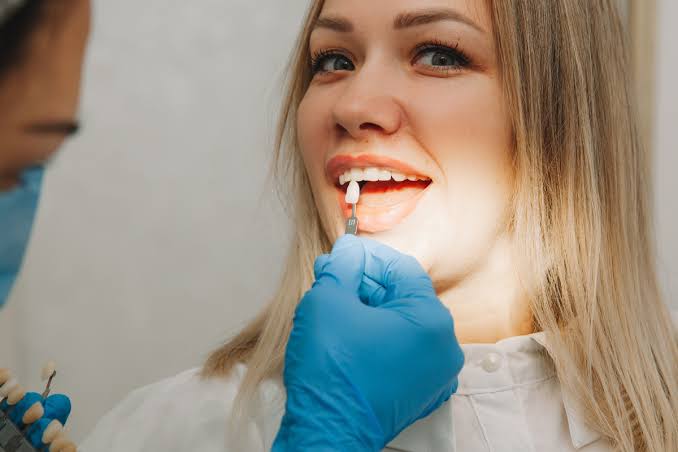
Have you ever looked at an old photo and noticed your teeth looked whiter back then? You are not imagining it. Teeth slowly darken over time, and everyday habits like drinking coffee, tea, or fizzy drinks speed things up.
Teeth whitening is one of the most popular ways to freshen up a smile. But with so many options out there, from clinic treatments to supermarket strips to viral tricks online, it can be hard to know what actually works and what is safe. This guide explains why teeth change colour, how whitening works, the main options, and how to keep your results lasting longer.
Why Do Teeth Change Colour?
Teeth change colour for two main reasons: stains on the outside and changes on the inside.
Outside stains are called extrinsic stains. They sit on the surface of the enamel, which is the hard outer layer of your teeth. Coffee, tea, red wine, curry, berries, and smoking are common causes. Think of enamel like a white T-shirt. Each splash of coffee leaves a tiny mark, and over years those marks build up.
Inside stains are called intrinsic stains. These are deeper in the tooth. They can come from ageing, an old injury, certain medicines taken in childhood, or too much fluoride while teeth were forming.
Age plays a big part too. As we get older, enamel slowly wears thinner. The layer underneath, called dentine, is naturally more yellow. When enamel thins, more of that yellow shows through.
How Does Teeth Whitening Work?
Most whitening products use one of two ingredients: hydrogen peroxide or carbamide peroxide. Both work in a similar way.
When the gel touches your teeth, the peroxide breaks down and releases oxygen. That oxygen moves into the tiny pores of the enamel and breaks apart the stain molecules. Smaller stain molecules reflect less colour, so your teeth look lighter.
Carbamide peroxide is a slower-acting version. It breaks down into hydrogen peroxide, but only about one-third of its strength. So a 10 percent carbamide peroxide gel is roughly as strong as a 3.5 percent hydrogen peroxide gel. Slower gels are often used for overnight or take-home treatments.
One key point: whitening only works on natural tooth enamel. Fillings, crowns, veneers, and bonding will not change colour, which matters if you have dental work near the front of your mouth.
In-Chair Whitening at the Dental Clinic
In-chair whitening, also called in-office whitening, is done by a dental professional during a single visit. It usually takes about an hour.
First, your gums are protected with a special barrier so the gel does not irritate them. Then a stronger whitening gel is applied to your teeth and left on for short periods. Some clinics use a light to help speed up the process, though research is mixed on how much difference the light makes.
The biggest advantage is speed. Many people see a noticeable change after just one appointment. Because a trained professional controls the process, stronger gels can be used more safely than at home. In many places, higher-strength whitening gels can only be supplied by registered dental professionals for this reason.
Take-Home Whitening Trays From Your Dentist
Take-home kits from a dental clinic use custom-made trays. Your dentist takes a mould or scan of your teeth and makes thin plastic trays that fit them closely. You fill the trays with a small amount of gel and wear them for a set time each day, often for one to two weeks.
Custom trays are important because they hold the gel against your teeth and keep it away from your gums. A loose, one-size-fits-all tray can let gel leak out and cause irritation.
Take-home whitening works more slowly than in-chair treatment, but results can be very similar by the end. Many people like it because they can whiten at their own pace.
Over-the-Counter Whitening Products
Shops sell many whitening products, including strips, pens, gels, and toothpastes. These usually contain much lower levels of peroxide than dental products, so results are milder and take longer.
Whitening toothpastes mostly remove surface stains using gentle scrubbing ingredients. They can help keep teeth looking clean, but they do not change the deeper colour of your teeth.
Whitening strips can lighten teeth a little over a few weeks. The main issue is fit. Strips may not reach the curves between teeth, which can leave uneven results.
It is also worth being careful with products sold online from unknown sellers. Some contain ingredients or strengths that are not allowed for home use and could harm your teeth or gums.
Common Whitening Myths
Social media is full of whitening hacks. Some are harmless but useless, while others can damage your teeth.
Charcoal powder is a popular one. It may scrub off some surface stains, but it is gritty and can wear away enamel over time. Since enamel does not grow back, that can actually make teeth look more yellow in the long run.
Lemon juice, apple cider vinegar, and strawberries are also often recommended. These are acidic, and acid softens enamel. Rubbing them on your teeth can cause lasting damage.
Baking soda can lift some surface stains, but scrubbing hard with it every day can be too rough.
Is Teeth Whitening Safe for Everyone?
For most healthy adults, whitening is safe when used correctly. However, it is not right for everyone.
Whitening is usually not recommended for children and young teens, because the pulp inside their teeth is larger and more sensitive. It is also often put on hold during pregnancy and breastfeeding, simply to be cautious.
People with untreated cavities, cracked teeth, worn enamel, or gum disease should get those problems fixed first. Peroxide can seep into a cavity or crack and cause sharp pain.
If you have crowns or fillings on your front teeth, whitening may leave them looking darker than the teeth around them. A plan may include replacing those after whitening so everything matches.
This is why a check-up comes first. Booking an exam with a dentist Lower Hutt families already visit for regular care is a sensible way to find out whether your teeth are ready. The exam can also reveal the type of stains you have, which affects which whitening method will work best.
Sensitivity and Other Side Effects
The most common side effect of whitening is tooth sensitivity. Your teeth may feel a quick twinge when you drink something hot or cold. This usually fades within a few days after treatment ends.
Some people also notice mild gum irritation, especially if gel touches the gums. Well-fitting trays and careful application help prevent this.
To reduce sensitivity, your dental team may suggest using a sensitive toothpaste for a couple of weeks before and during whitening.
Here is an example. Picture a 30-year-old who wanted whiter teeth before her sister’s wedding. She started take-home whitening and felt some sensitivity on day three. Her dentist suggested switching to every second day and using a sensitive toothpaste. By the wedding, her teeth were several shades lighter and the sensitivity had settled. Results vary from person to person, but small changes like this often help.
How Long Do Whitening Results Last?
Whitening results often last anywhere from several months to a couple of years. How long yours last depends mostly on your habits.
Coffee, tea, red wine, and smoking will bring stains back faster. People who avoid these, or rinse with water afterwards, tend to keep their results longer.
Many people do short top-up treatments every so often to keep their smile bright. Whether you whiten with a dentist Lower Hutt clinic or another practice, ask how often top-ups are safe for your teeth so you do not overdo it.
Keeping Your Smile Bright
A few simple habits can help protect your results. Brush twice a day with fluoride toothpaste and floss daily to remove plaque, which can pick up stains. Drink dark drinks through a straw when you can, and rinse your mouth with water after coffee or tea.
Try to wait about 48 hours after whitening before having strongly coloured foods and drinks. Teeth can pick up stains more easily during that time.
Finally, keep up with regular check-ups and professional cleanings. A cleaning can remove surface stains and keep your teeth looking fresh between whitening treatments.
Final Thoughts on Teeth Whitening
Teeth whitening can make a big difference to how your smile looks. Most whitening products use peroxide to break down stains, and the main choices are in-chair treatment, take-home trays, and milder shop-bought products. Each has its own speed, cost, and level of strength.
The safest path is to start with a check-up, choose a method that suits your teeth, and protect your results with good daily habits. If you have been thinking about a brighter smile, talking with a dental professional is a simple first step.
