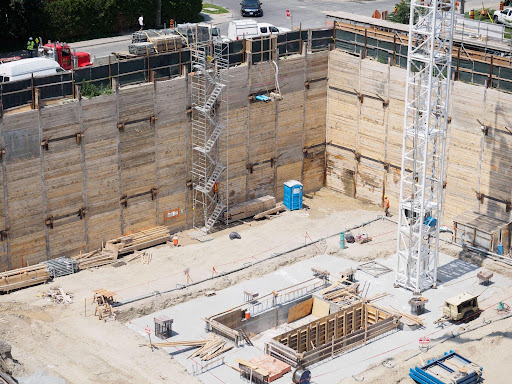
Setting up a new construction site involves far more than simply dropping off heavy machinery. Ensuring your team stays productive and compliant requires a well-planned footprint equipped with reliable site facilities, clean towable amenities, and dependable power. Working alongside trusted regional suppliers like Western District Rentals helps site managers quickly deploy Tier 1-compliant equipment, allowing crews to focus on hitting project milestones rather than troubleshooting basic site logistics.
When you take care of basic site needs early, the entire job runs smoother. Here is a look at the essential amenities and setup strategies required to keep regional projects running safely, efficiently, and on schedule.
Core Welfare Amenities: Taking Care of the Crew
A productive site starts with taking good care of the people on the ground. Regional projects often operate far from town centres or established infrastructure, which means your site setup needs to be completely self-sufficient from day one.
Clean, accessible sanitation is non-negotiable. Modern towable amenities trailers and portable toilets give your team hygienic facilities right where they are working. For sprawling regional builds or linear projects like pipeline and road works, mobile units make it easy to shift facilities as the active work zone moves down the line.
Lunchrooms and rest areas are just as crucial. Giving workers a clean, sheltered space to take breaks, escape the elements, and hold morning toolbox talks boosts site morale and keeps energy levels high. Make sure these spaces include proper handwashing stations, clean drinking water, and basic first-aid points positioned close to main work areas.
Reliable Power and Utility Setup
Without steady power, a site comes to a sudden halt. Regional projects rarely have immediate access to mains electricity during the early phases, making generator power a top priority for site sheds, power tools, and security lighting.
Choosing the right generator capacity comes down to mapping out your true electrical load. Over-specifying power wastes fuel, while under-specifying leads to tripped breakers and unnecessary equipment downtime.
To keep power running safely and consistently across your footprint:
- Use heavy-duty distribution boards to route power safely across the site.
- Keep power leads elevated using lead hooks or cable crossovers to eliminate trip hazards.
- Schedule regular fuel top-ups and servicing to prevent unexpected outages during peak operational hours.
A well-planned electrical distribution system protects your tools, prevents safety incidents, and keeps administrative site sheds running without interruption.
Perimeter Security and Traffic Direction
Securing your site boundary protects valuable materials, deters unauthorised entry, and keeps the surrounding community safe. In regional areas where sites often span large geographic footprints, clear boundaries are essential.
Heavy-duty temporary fencing creates a physical barrier around active work zones, storage yards, and deep excavations. Pair your perimeter fencing with clear, high-visibility signage at primary entry gates so delivery drivers and visitors know exactly where to report upon arrival.
Managing site access points effectively keeps heavy traffic moving safely. Placing variable message signs near main access roads lets you direct incoming deliveries, warn passing motorists of turning heavy vehicles, and highlight dynamic speed limits around active entry gates. Adding mobile lighting towers around gatehouses and equipment laydown areas ensures safe visibility during early morning starts and late-afternoon shifts.
Meeting Safety and Tier 1 Compliance Standards
Victorian construction standards require strict adherence to site safety, environmental guidelines, and worker welfare requirements. Tier 1 projects demand high standards for equipment condition, maintenance logging, and environmental safeguards.
When sourcing site amenities and mobile gear, make sure every unit meets local WorkSafe standards. That includes verifying that towable amenities have up-to-date servicing records, generators feature proper bunding to prevent fuel spills, and electrical gear carries current test-and-tag labels.
Regular maintenance schedules keep your site compliant throughout the duration of the build. Partnering with a supplier that handles routine pump-outs, sanitation checks, and equipment servicing takes a massive administrative load off your site supervisors, keeping your team focused on core construction tasks.
Practical Steps for Pre-Site Setup
A smooth site setup comes down to smart spatial planning before equipment arrives on-site. When mapping out your layout:
- Place welfare facilities close enough for easy access, but far enough from heavy machinery zones to reduce noise and dust exposure.
- Position primary generators away from rest areas and office sheds to minimise exhaust fumes and sound disruption.
- Ensure heavy haulage and delivery trucks have clear, wide turning circles that do not cross worker footpaths.
- Plan for scaling your amenities as peak worker numbers increase during major construction phases.
Taking the time to walk the site footprint and test your layout from a worker’s perspective prevents frustrating bottlenecks once full-scale work begins.
Building a Safer, More Productive Regional Worksite
Setting up a regional construction site takes careful coordination, high-quality gear, and a focus on crew wellbeing. When you invest in clean facilities, steady power, clear site access, and reliable perimeter security, you lay a strong foundation for project success. A well-equipped, fully compliant site keeps workers safe, satisfies regulatory standards, and keeps your project moving forward without costly delays.
