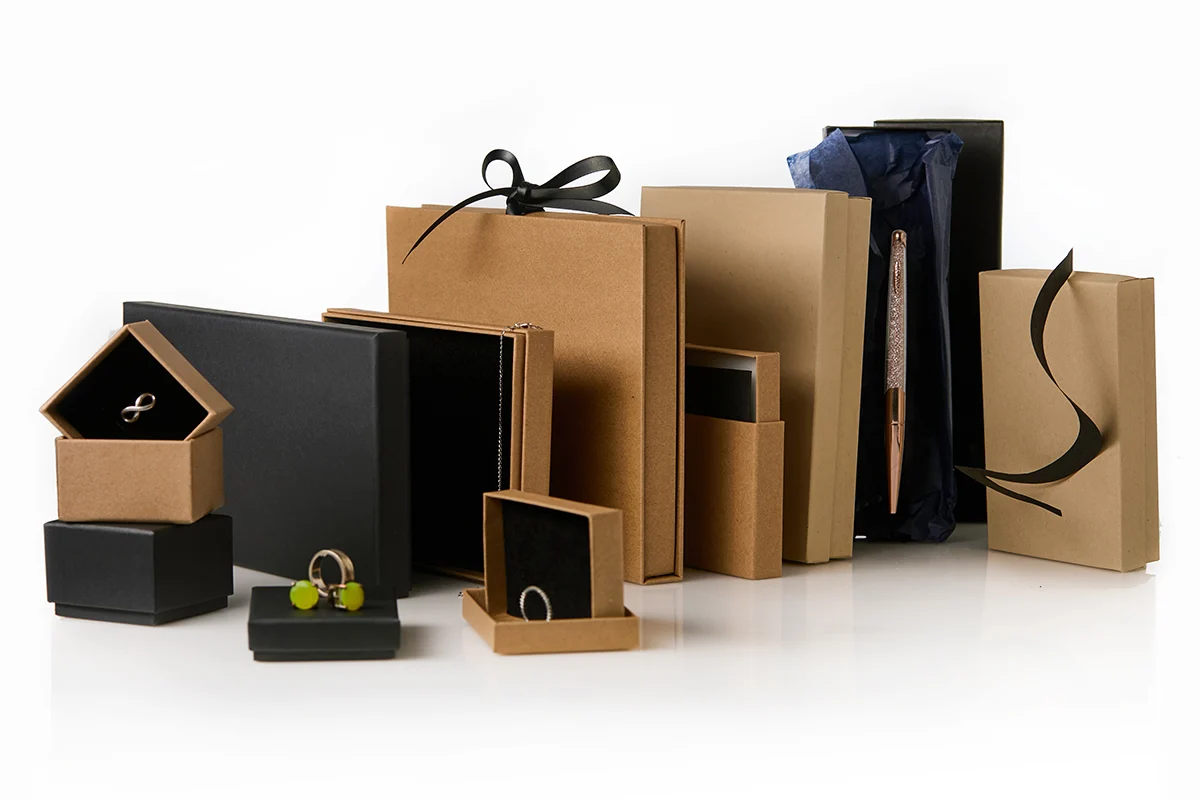
A product can be excellent, but customers often judge its value before they have even opened the package. In today’s competitive marketplace, presentation plays a major role in shaping that first impression. Attractive, sturdy, and thoughtfully designed packaging can make a product feel more valuable, professional, and memorable. This is why custom presentation boxes have become an important choice for brands that want to make their products stand out.
Unlike ordinary packaging, presentation boxes are designed to make the product reveal feel intentional. Their structure, appearance, interior arrangement, and branding can all be customized according to the product and target audience. For luxury gifts, cosmetics, jewelry, books, electronics, and specialty products, the right packaging can turn an ordinary delivery into a premium experience.
Why Product Presentation Matters More Than Ever
Customers interact with packaging before they interact with the product itself. This makes the package an important communication tool for businesses.
Effective packaging can immediately communicate:
- Product quality.
- Brand personality.
- Attention to detail.
- Professionalism.
- Exclusivity.
- Reliability.
A strong visual presentation creates positive expectations and encourages customers to explore the product.
Packaging Can Influence Perceived Value
Customers often connect the quality of packaging with the quality of what is inside. A sturdy box with refined printing and a carefully organized interior can make a product appear more sophisticated.
While packaging cannot compensate for a poor product, it can reinforce the value of an excellent one.
How Custom Presentation Boxes Create a Stronger First Impression
Customization gives brands greater control over every part of their packaging experience.
Design Around the Product
A box designed specifically for a product can provide a much cleaner appearance than generic packaging.
Businesses can customize:
- Box dimensions.
- Shape and structure.
- Interior compartments.
- Closure style.
- Printing.
- Finishing techniques.
A precise fit minimizes unnecessary movement and creates a more polished presentation when the customer opens the package.
Choose a Structure That Matches Your Brand
Different packaging structures create different experiences.
Popular choices include:
- Two-piece rigid boxes.
- Magnetic closure boxes.
- Drawer-style boxes.
- Book-style boxes.
- Window boxes.
- Collapsible presentation boxes.
A luxury product may benefit from a magnetic closure, while a gift collection may work better with compartments or a drawer-style structure.
Branding Through Custom Packaging Boxes with Logo
A memorable package should make it easy for customers to identify the brand behind the product. Custom packaging boxes with logo provide a direct way to incorporate brand identity into the customer experience.
A logo can be enhanced through:
- Foil stamping.
- Embossing.
- Debossing.
- Spot UV.
- Metallic printing.
- High-resolution color printing.
Make the Unboxing Experience More Memorable
For online brands especially, unboxing is an important physical moment in the customer journey.
Build Anticipation With Layered Presentation
Instead of revealing the product immediately, packaging can create a sequence of discoveries.
For example:
- The customer opens the outer lid.
- A printed interior message appears.
- A protective insert reveals the product.
- A thank-you card or brand message completes the experience.
These small stages can make opening the package feel more exciting.
Custom Inserts Improve Both Protection and Presentation
A beautiful box loses its impact if the product arrives damaged or sits loosely inside.
Keep Products Secure
Custom inserts can be shaped around individual products to prevent unnecessary movement.
Common choices include:
- Foam.
- Molded paper.
- Cardboard.
- Velvet.
- Fabric.
- Paperboard compartments.
These inserts can be particularly useful for fragile products such as jewelry, glass containers, cosmetics, and electronics.
Premium Finishes That Make Packaging Stand Out
Finishing techniques can transform a simple design into a sophisticated presentation.
Foil Stamping for Luxury Appeal
Metallic foil can highlight logos, product names, borders, or decorative elements. It is especially effective for premium cosmetics, jewelry, perfumes, and gift products.
Embossing Adds Texture
Embossed logos and patterns create a raised surface that customers can see and feel.
This tactile element can make the package feel more substantial and carefully crafted.
Soft-Touch and Matte Finishes
A smooth matte or soft-touch surface creates a refined appearance and works particularly well with minimalist branding.
Spot UV Creates Contrast
Spot UV can add a glossy effect to selected parts of the design while leaving the remaining surface matte. This can draw attention to specific branding elements without making the entire box overly decorative.
Emerging Trends in Presentation Packaging
Packaging continues to evolve as customer expectations change.
Minimalist Luxury
Simple designs, refined typography, subtle logos, and premium textures can create a sophisticated appearance without excessive decoration.
Personalized Experiences
Limited-edition artwork, customer names, seasonal messages, and customized inserts can make packaging feel more exclusive.
Digital Connections
QR codes can connect physical packaging with digital experiences, including product guides, loyalty programs, tutorials, brand stories, and exclusive offers.
Reusable Packaging
Durable structures that customers can reuse are becoming increasingly attractive because they provide value beyond the initial purchase.
Conclusion
The first impression of a product often begins with its packaging. Custom presentation boxes give businesses an opportunity to combine protection, branding, functionality, and visual appeal into one carefully designed experience.
When supported by custom packaging boxes with logo, premium presentation can strengthen brand recognition and make products feel more valuable from the moment customers receive them. With thoughtful structures, custom inserts, refined finishes, and memorable interior details, packaging can become more than a container—it can become an important part of the product experience and a powerful tool for building lasting customer relationships.
