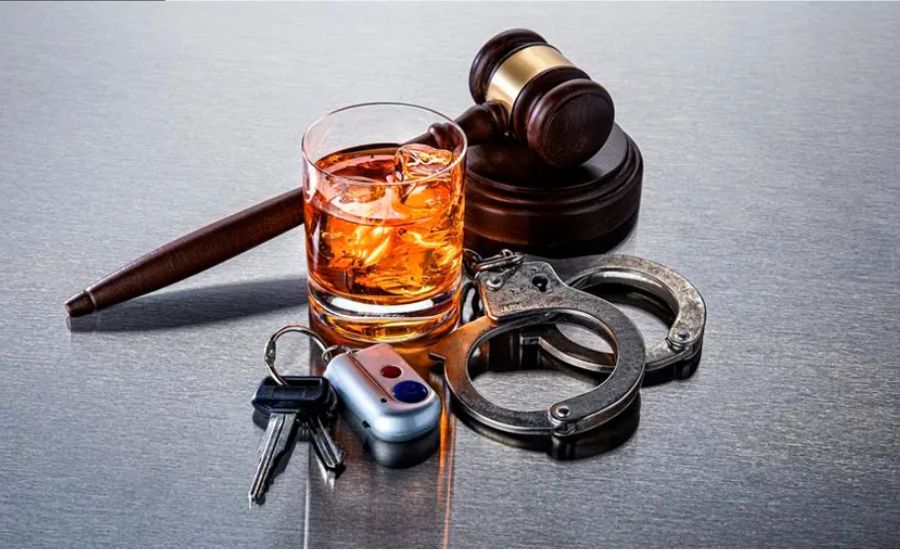
Alcohol-impaired drivers cause about a third of all traffic fatalities in the United States. In 2024, these cases added up to 11,904 fatalities. It has declined each of the last three years, but alcohol-related fatalities remain one of the most persistent and preventable causes of traffic fatalities in the U.S.
The national framework provides the backdrop for the individual regulations of drunk driving that each state decides. Many of these laws and penalties require a thorough understanding of drunk driving laws to identify and mitigate their consequences.
The Legal Framework, in Broad Strokes
Every state has a legal standard for drunken driving in the form of BAC limits, which is 0.08% for almost all adult drivers in the U.S.
Utah uses a lower limit of 0.05%, while commercial drivers are usually subject to a 0.04% federal standard. Drivers under age 21 are also subject to stricter state zero-tolerance laws. They are typically subject to very low BAC limits.
It’s important to understand that DUI laws and penalties vary considerably by state. There are states where higher BAC levels or having aggravating circumstances may lead to enhanced charges. Some circumstances that can increase penalties in certain jurisdictions include having a minor as a passenger.
States also differ in license suspension periods, misdemeanor and felony classifications, and whether restricted or hardship driving privileges are available.
Implied Consent and Chemical Testing
Most states have implied consent laws that require drivers to submit to certain chemical testing for alcohol or drugs when the legal requirements for testing are met. Depending on state law and the circumstances, the procedure may involve breath, blood, or urine testing.
Refusing a legally required test can result in separate consequences. They may have their administrative driver’s license suspended, regardless of whether or not the person is eventually convicted of DWI or DUI. In cases involving serious injury or death, law enforcement may also seek a warrant or other lawful authorization for testing despite a driver’s refusal.
Why the Penalties Escalate the Way They Do
The more a person drinks alcohol, the more they will lose their ability to function. Many states have much harsher penalties for a higher degree of alcohol impairment.
According to statistics, about two thirds of all fatalities in alcohol-impaired-driving crashes have a blood alcohol concentration of at least 0.15 g/dL, which is virtually double the legal limit.
What a DWI Arrest Actually Sets in Motion
A DWI, or driving while intoxicated, arrest leads to multiple proceedings. The first one is a criminal proceeding. This process will determine if a driver is guilty or not. Depending on the particular circumstances of the incident, a criminal proceeding could result in a driver being given a fine, put on probation, or even sentenced to time in jail.
The second proceeding is an administrative one. This process can happen before a criminal proceeding is resolved.
These proceedings can involve different deadlines and requirements. As such, legal counsel can help someone understand and respond to both processes.
New York residents who face such a situation may seek the help of a Staten Island DWI attorney or any legal professional in their state to legally represent them.
Common Defense Angles, in General Terms
One common component of DUI defense is to look into the legality of the traffic stop. By looking at different angles surrounding the arrest, there are points that can be administered as defense.
One important thing to point out is the administration of the field sobriety test. The plaintiff and their legal counsel will try to look into the chemical testing performed during the stop. A skilled lawyer can check if standard operating procedures were followed. The effect of these issues on a case will depend on the particular facts, state law, and rules of evidence.
The Bigger Picture
There are underlying risks in drunk driving. To mitigate these risks, drunk driving laws have been established. These legal policies address the well-documented risks associated with impaired driving. Still, the legal framework extends beyond a single BAC limit.
There are varying rules and specifications in the implementation of DUI laws in different states. States impose various penalties for the violation, have different definitions of the violation, and have distinct procedures that impact driving. To have an understanding of the potential consequences of a DWI offense, a person dealing with a drunk driving case should review the laws and regulations of the state at the time the charge is brought.
