
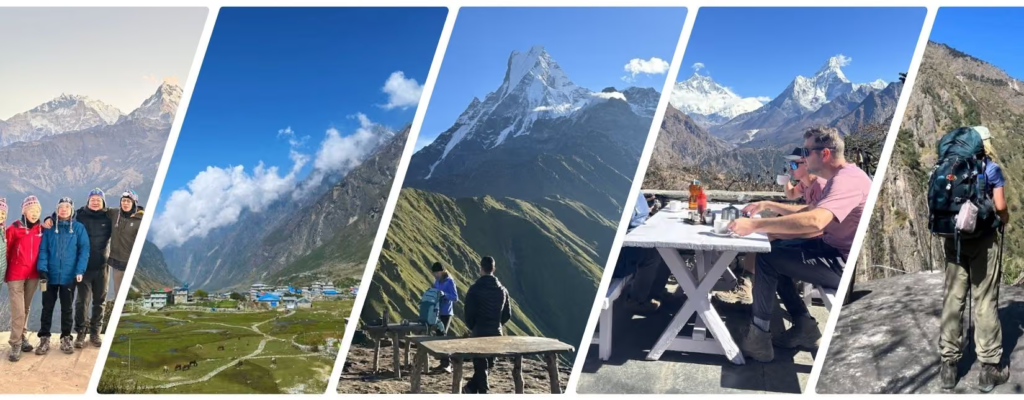
Nepal has dozens of trekking routes, and most of them promise mountain views, teahouse stays and a genuine sense of adventure. That’s exactly what makes the question so hard to answer. The best treks in Nepal aren’t the same for every traveler — the right route depends on available time, fitness, altitude tolerance, scenery preferences and how much challenge someone actually wants. A two-week trekker and a weekend hiker aren’t choosing between the same options, even if both are searching for “the best trek in Nepal.”
That’s where planning often goes wrong. Travelers pick a route because it’s the most photographed one online, without checking whether it fits their schedule. The Everest region, Annapurna region, Langtang region and several shorter Himalayan routes each offer a genuinely different experience — different altitudes, terrain, cultural exposure and time commitments. Someone with a week available shouldn’t default to the same itinerary as someone with three weeks free.
This guide compares Nepal’s strongest trekking choices by duration, difficulty, scenery, altitude, cultural experience and suitability, so you can match a route to your own circumstances rather than following a generic ranking.
In short: Nepal’s best trekking routes include the Everest Base Camp Trek, the Annapurna Circuit Trek, the Annapurna Base Camp Trek, the Mardi Himal Trek, the Ghorepani Poon Hill Trek, the Langtang Valley Trek and a few other strong options — but which one is “best” depends on the trekker choosing it.
Best Treks in Nepal at a Glance
| Trek | Typical Duration | Difficulty | Main Appeal | Best For |
| Everest Base Camp Trek | 2+ weeks | Moderate–challenging | Everest views and Sherpa culture | First major Himalayan trek |
| Everest Base Camp Short Trek | Shorter itinerary | Challenging | Everest experience with limited time | Travelers with less time |
| Annapurna Circuit Trek | Around 2–3 weeks | Moderate–challenging | Diverse landscapes and Thorong La | Complete Himalayan journey |
| Short Annapurna Base Camp Trek | Shorter itinerary | Moderate | Mountain sanctuary experience | Time-conscious trekkers |
| Mardi Himal Trek | About 5–8 days | Moderate | Close-up mountain scenery | Short scenic trek |
| Ghorepani Poon Hill Trek | About 3–5 days | Easy–moderate | Sunrise and mountain panoramas | Beginners and short trips |
| Langtang Valley Trek | About 7–10 days | Moderate | Valley, culture and mountains | Compact Himalayan adventure |
Durations are approximate, since itinerary length varies by route, transport and how much acclimatization time is built in.
How to Choose Among the Best Treks in Nepal
There’s no universal ranking — only the best trek for your specific trip. Five factors matter most:
- Available time — a route needs to fit your actual holiday, not the other way around.
- Fitness and difficulty — daily elevation gain, steep sections and walking hours vary considerably between routes.
- Altitude — how high the route climbs and how much acclimatization it requires.
- Scenery and experience — high mountains, forests, villages, glaciers or cultural encounters.
- Travel style — classic teahouse trekking, quieter trails, photography, or a strong focus on mountain views.
As a starting point:
- Very limited time: Ghorepani Poon Hill or Mardi Himal
- Short Everest experience: Everest Base Camp Short Trek
- Short Annapurna experience: Short Annapurna Base Camp Trek
- Longer, diverse route: Annapurna Circuit Trek
- Classic high-altitude goal: Everest Base Camp Trek
- Quieter cultural and mountain experience: Langtang Valley Trek
Everest Region: Best Treks for High-Mountain Experience
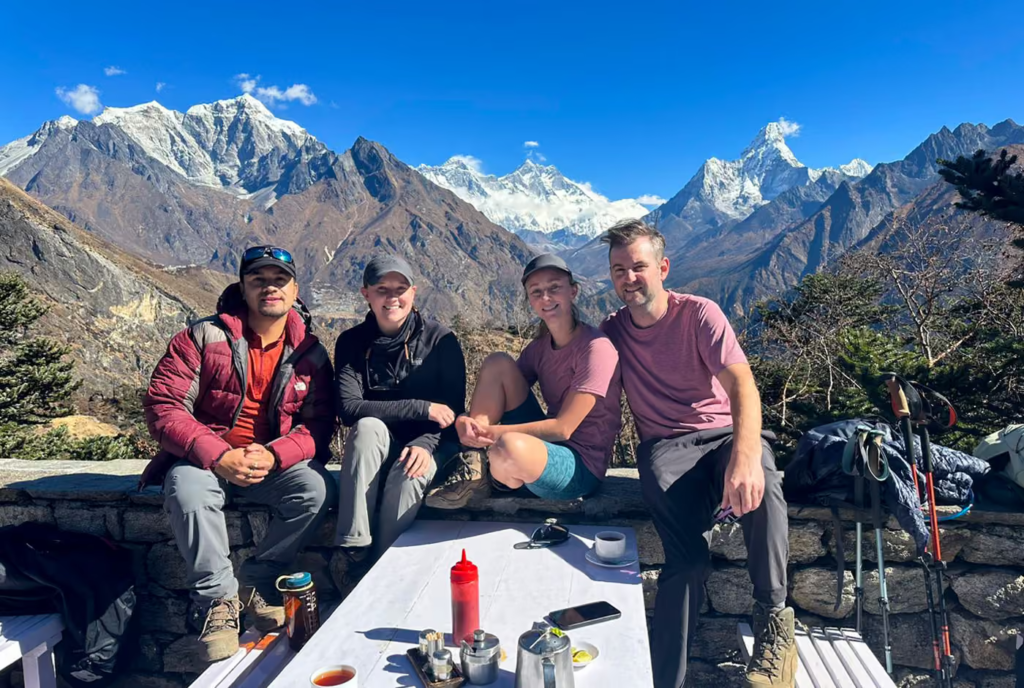
For travelers whose priority is standing close to the world’s highest peaks, the Everest region combines high-altitude scenery with Sherpa villages and monasteries.
Everest Base Camp Trek
The classic route follows the Dudh Kosi valley from Lukla through Namche Bazaar, Tengboche and Dingboche to Everest Base Camp at roughly 5,364 meters. Base Camp itself doesn’t offer a direct summit view, so most itineraries add a climb up Kala Patthar, a nearby viewpoint that does. Extended time above 4,000 meters makes acclimatization days at Namche and Dingboche essential rather than optional, and most itineraries run two weeks or longer once flights and buffer days are included. It remains one of Nepal’s most sought-after treks because it pairs serious altitude with genuine cultural depth.
Everest Base Camp Short Trek
The Everest Base Camp Short Trek suits travelers who want the Everest experience without the full standard itinerary, typically by tightening the schedule or adjusting flight segments. The trade-off is pacing: covering similar elevation gain in fewer days puts more pressure on acclimatization. A shortened itinerary should still include deliberate rest days — cutting days from the schedule doesn’t reduce the altitude challenge, so “short” doesn’t mean easy. It suits fitter trekkers comfortable with a more demanding daily pace.
Annapurna Region: Routes for Variety, Mountains and Flexible Itineraries
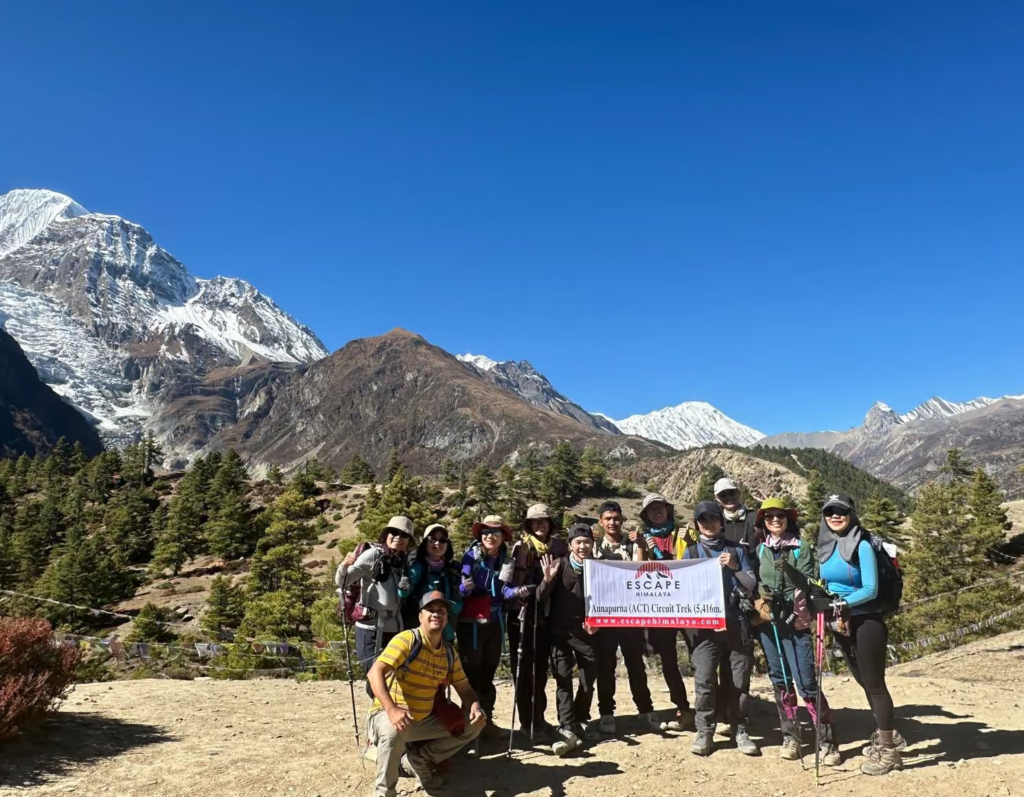
The Annapurna region appeals to trekkers who want changing landscapes and a wider range of itinerary lengths.
Annapurna Circuit Trek
The Annapurna Circuit Trek is known for landscape diversity, climbing from terraced lower valleys through Manang and the drier Mustang-side terrain before crossing Thorong La, a pass generally above 5,000 meters. Careful acclimatization around Manang is essential before the crossing. Full circuits typically run two to three weeks, though road access on some sections has shortened the route for trekkers who prefer to skip stretches now reachable by vehicle. It suits travelers wanting a complete, varied Himalayan journey rather than an out-and-back trek.
Short Annapurna Base Camp Trek
The Short Annapurna Base Camp Trek reaches the Annapurna Sanctuary — a natural amphitheater of peaks including close views of Machhapuchhre — without a multi-week commitment, usually by adjusting the starting and ending trailheads. It’s moderate rather than extreme in difficulty, though daily walking hours can be longer on a compressed schedule. Because route length depends on the exact trailheads used, it’s worth confirming daily distances before comparing options.
Short Himalayan Treks: Mardi Himal and Ghorepani Poon Hill
Not every trekker wants a multi-week expedition. Two routes deliver strong mountain scenery within a shorter window.
Mardi Himal Trek
The Mardi Himal Trek climbs through rhododendron and oak forest before opening onto a narrow alpine ridge with close-up views of Machhapuchhre and the southern Annapurna peaks, usually over five to eight days. Because the trail follows a ridge for much of its upper section, the mountains feel closer than the distance covered would suggest. It sees fewer trekkers than the major Annapurna routes and is somewhat more demanding than Ghorepani Poon Hill, though less so than a full Annapurna Circuit or Everest itinerary.
Ghorepani Poon Hill Trek
The Ghorepani Poon Hill Trek is one of the most accessible multi-day treks in Nepal, typically three to five days, passing through rhododendron forest and hill villages to Poon Hill’s sunrise viewpoint over the Annapurna and Dhaulagiri ranges. Its lower maximum altitude reduces altitude-related risk, making it a common choice for beginners, prepared families and time-limited travelers. It shouldn’t be treated as universally easy, though — steep stone staircases and variable weather still require reasonable fitness.
Other Strong Choices Among Nepal’s Best Treks
A few additional routes round out the wider trekking landscape:
- Langtang Valley Trek — close access from Kathmandu, Tamang culture, forests and alpine valley scenery.
- Manaslu Circuit Trek — a more remote alternative to Annapurna, with a restricted-area permit system.
- Kanchenjunga Trek — a longer, remote option in eastern Nepal for experienced trekkers.
- Upper Mustang Trek — a dry, high-desert landscape with strong Tibetan cultural influence, visually distinct from Nepal’s greener routes.
Best Time for Trekking in Nepal
Spring (roughly March–May) brings improving weather, generally strong mountain visibility, and blooming rhododendron forests at lower elevations. Autumn (roughly September–November) is often considered the other major season, with generally stable conditions and clear mountain views. Winter can be very cold at higher elevations and complicate high-pass crossings, while monsoon (June–August) brings rain, cloud and occasional transport disruption to many lower and mid-altitude trails. No single season suits every route equally, so it’s worth checking conditions for your specific trek.
Trek Difficulty, Altitude and Acclimatization
Difficulty isn’t determined by distance alone — daily elevation gain and trail steepness matter just as much. Above roughly 3,000 meters, the body needs time to adjust to reduced oxygen, and moving too fast can trigger altitude sickness regardless of fitness level. This is why longer high-altitude routes build in dedicated acclimatization days, and why compressed “short” itineraries can sometimes feel harder than the standard version despite covering less distance. Anyone trekking above 3,500–4,000 meters should build in appropriate rest days and pay attention to how their body responds as they climb.
Permits, Guides and Trekking Logistics
Requirements vary by region and change periodically, so current rules should be confirmed before departure. In general, expect region-specific trekking permits, conservation or national park fees where applicable, and additional restricted-area permits on routes such as Manaslu or Upper Mustang, some of which require a licensed guide by regulation. Logistics also include transport to and from the trailhead, teahouse accommodation and meals along the route. Travelers who prefer not to manage these details independently often work with an established trekking agency such as Escape Himalaya for permits, guides, transport and itinerary coordination.
Cost Factors for Nepal Trekking
Rather than quoting figures that can quickly go out of date, it helps to know what drives cost: permits and entry fees, transportation, accommodation, meals and drinking water, guide and porter services, equipment rental or purchase, travel insurance, contingency days, and personal expenses. Costs vary considerably by trek, itinerary length, service level and season, so current package prices should be checked before booking.
Which Nepal Trek Is Best for You? Quick Decision Guide
| If You Want… | Consider… |
| Iconic Everest experience | Everest Base Camp Trek |
| Everest with less time | Everest Base Camp Short Trek |
| A shorter Annapurna adventure | Short Annapurna Base Camp Trek |
| A long and varied Himalayan route | Annapurna Circuit Trek |
| A short scenic ridge trek | Mardi Himal Trek |
| A beginner-friendly short Himalayan route | Ghorepani Poon Hill Trek |
| A compact cultural and mountain trek | Langtang Valley Trek |
| A remote, challenging journey | Manaslu Circuit Trek |
Practical Tips Before Choosing a Trek
Build buffer days into your itinerary for weather or transport delays. Avoid choosing a trek purely on social-media popularity — match difficulty and altitude to your actual fitness and time. Check current route conditions before departure, choose footwear suited to the terrain, and arrange travel insurance that covers trekking at altitude. Prepare physically beforehand, pack layers for changing temperatures, and keep your daily itinerary realistic rather than maximizing distance each day.
Frequently Asked Questions About the Best Treks in Nepal
What are the best treks in Nepal for first-time trekkers?
Ghorepani Poon Hill, Mardi Himal, the Langtang Valley Trek and shorter Annapurna itineraries are generally accessible starting points, combining strong scenery with lower altitude and shorter duration than Everest Base Camp or the full Annapurna Circuit.
Which Nepal trek is best for a short holiday?
Ghorepani Poon Hill and Mardi Himal fit into roughly a week or less. Shortened versions of Everest Base Camp and Annapurna Base Camp can also work, though they involve a more demanding daily pace.
Is the Everest Base Camp Short Trek difficult?
Yes — reducing the number of days doesn’t reduce the altitude or elevation gain involved, so fitness and acclimatization still matter as much as on the standard itinerary.
Is the Annapurna Circuit Trek harder than the Short Annapurna Base Camp Trek?
Generally yes. The Circuit is longer, crosses the high Thorong La pass and covers more remote terrain, while the Short Annapurna Base Camp route is shorter, lower in maximum altitude and doesn’t require a high-pass crossing.
Which is better, Mardi Himal or Ghorepani Poon Hill?
Neither is universally better. Poon Hill is shorter, lower and gentler; Mardi Himal is a little longer, climbs higher and offers a quieter trail with closer mountain views.
What is the best month for trekking in Nepal?
Spring (March–May) and autumn (September–November) are generally the strongest seasons, though ideal timing shifts depending on the specific trek and its altitude.
Final Thoughts
There’s no single answer to which is the best trek in Nepal — the right choice depends on the journey you actually want. Trekkers chasing the highest mountain views and a classic high-altitude challenge tend to choose Everest Base Camp. Those wanting landscape variety often pick the Annapurna Circuit, while the Short Annapurna Base Camp Trek offers a more compact route into the same sanctuary. Mardi Himal suits a quieter, shorter mountain route, Ghorepani Poon Hill works as an accessible introduction to Himalayan trekking, and Langtang offers a compact mix of culture and mountain scenery.
Before booking, weigh duration, difficulty, altitude, season and logistics against your own fitness and schedule. The best trek in Nepal is simply the one that matches the trip you’re actually able to take.
