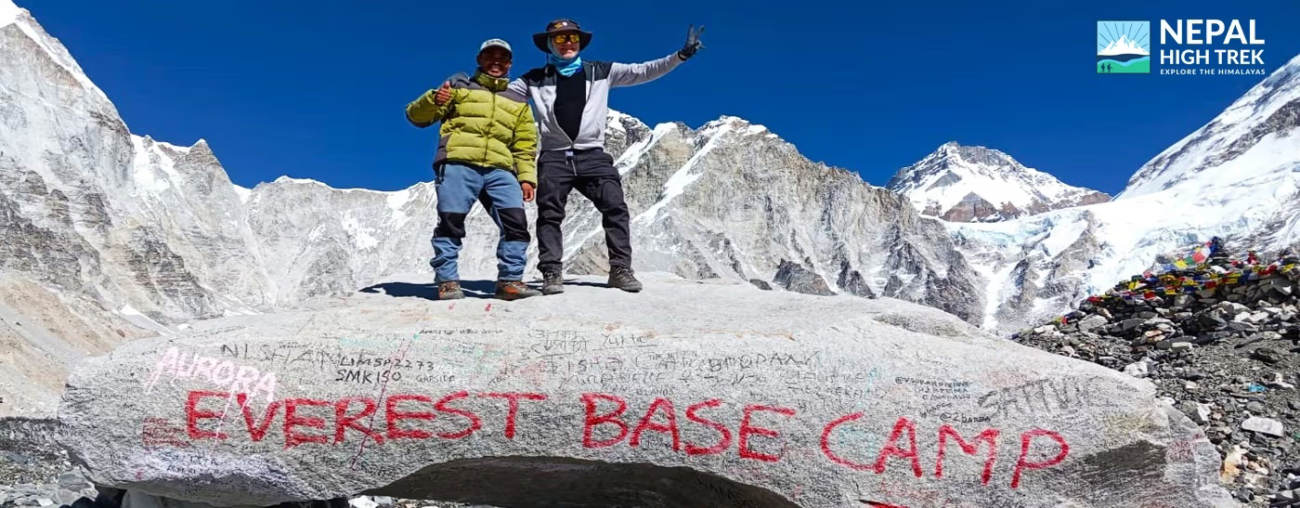
Ask ten trekkers which Nepal trek they’d recommend and you’ll probably get ten different answers, all delivered with the same certainty. That’s the tricky part about planning a Himalayan trip — the two names that keep coming up, Everest and Annapurna, both sound like exactly what you’re looking for. The Everest Base Camp Trek pulls you toward the Khumbu, Sherpa villages, and the mountain that needs no introduction. The 7 Days Annapurna Base Camp Trek offers something different: a real high-mountain experience packed into a week, which matters a lot if your vacation days are limited.
Neither trek is objectively “better.” One is a longer, slower climb into thinner air near the world’s tallest peak. The other is a faster, steeper push into a natural amphitheater of 7,000-plus-meter walls. This guide walks through the practical differences — time, scenery, altitude, difficulty, route character, accommodation, cost, and who each trek actually suits — so you can figure out which one fits your trip instead of just your bucket list.
Everest Base Camp Trek: The Classic Journey Into the Khumbu
The Everest Base Camp Trek starts with a short, often nerve-wracking flight into Lukla, and from there the trail does what it’s famous for: it climbs slowly through pine forests, past mani walls and prayer flags, over the kind of suspension bridges that show up in every trekking documentary ever made. You pass through Phakding, then climb hard into Namche Bazaar, the unofficial capital of the Khumbu, before continuing on to Tengboche, Dingboche, Lobuche, and finally Gorakshep, the last stop before the base camp itself.
What makes this route different from most other treks in Nepal isn’t just the destination — it’s the pacing. Reaching Everest Base Camp properly requires built-in rest days, because the altitude gain over the full trip is significant enough that your body genuinely needs time to adjust. That’s also why the trek rarely fits into a week; most itineraries run closer to twelve or fourteen days once you account for acclimatization. Somewhere along the way, most trekkers also detour up to Kala Patthar, a rocky viewpoint above Gorakshep that, honestly, gives a better direct view of Everest than base camp does. It’s less a bonus stop and more the emotional high point of the whole trek.
7 Days Annapurna Base Camp Trek: A Shorter Route With Serious Mountain Scenery
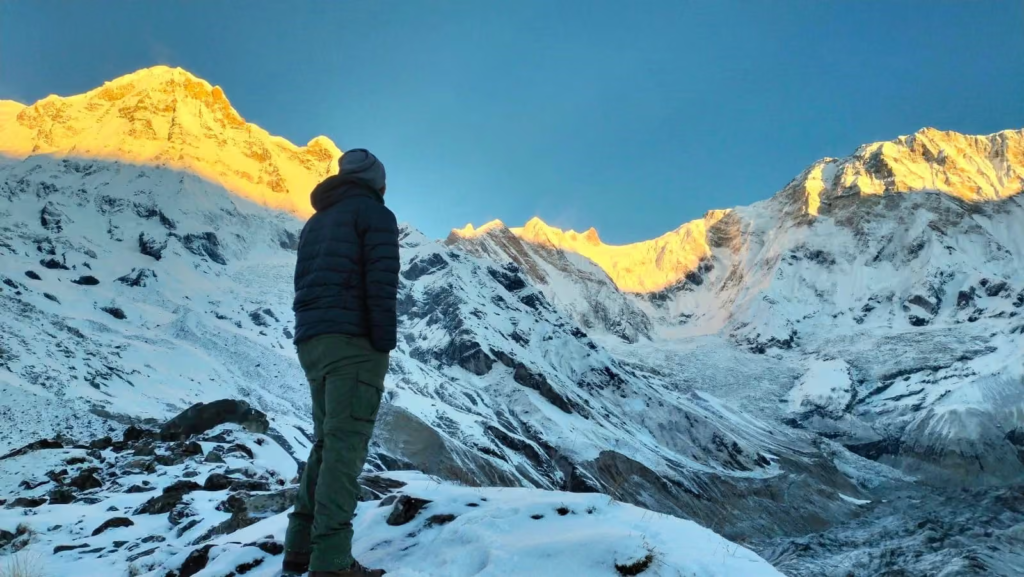
If your calendar won’t allow two weeks off, the 7 Days Annapurna Base Camp Trek is the route most people land on instead — and it holds up. Starting from Pokhara, the trail moves through terraced hillsides and villages like Ghandruk and Chhomrong before climbing into rhododendron and bamboo forest, then finally opening into the Annapurna Sanctuary itself, with Machhapuchhre Base Camp acting as the last checkpoint before Annapurna Base Camp.
What’s interesting about this trek is how fast the scenery shifts. You start among cultivated fields and farmhouses, and within a couple of days you’re walking through dense forest, then suddenly the valley opens up and you’re staring at a wall of Himalayan peaks that seem far too close for how little time you’ve spent walking. Compressing this into seven days means the itinerary has to be tight — efficient road transport at the start, disciplined daily walking targets, and no wasted days. It’s shorter, yes, but that doesn’t make it a stroll. Some of the days involve serious elevation gain packed into fewer hours, so “compact” and “easy” aren’t the same thing here.
Everest Base Camp vs 7 Days Annapurna Base Camp: The Key Differences
Here’s a side-by-side look at how the two treks actually compare once you strip away the marketing language.
| Factor | Everest Base Camp Trek | 7 Days Annapurna Base Camp Trek |
| Overall character | High-altitude Himalayan journey | Compact mountain sanctuary trek |
| Typical starting area | Kathmandu, then flight to Lukla | Pokhara, with road access toward the trailhead |
| Main attraction | Everest and the wider Khumbu landscape | Annapurna Sanctuary and close-up mountain views |
| Time commitment | Longer, usually 12+ days | Shorter, around a week |
| Altitude challenge | More significant, gradual gain | Notable but more compressed |
| Cultural character | Strong Sherpa and Buddhist influence | Gurung and other hill communities |
| Best suited to | Travelers with more time to spend | Travelers working with a tighter schedule |
| Trekking style | Slow, staged high-altitude progression | Faster transition from hills to high mountains |
The table tells most of the story, but the part worth underlining is the pacing difference. Everest gives your body time to adapt because it has to; Annapurna asks you to adapt more quickly, which works fine for most reasonably fit travelers but leaves less room for a bad day.
Which Trek Has Better Mountain Views?
This is the wrong question, honestly — it’s not about better, it’s about different. On the Everest side, you’re looking at distance and scale: wide Himalayan panoramas, glaciers, and a lineup of famous peaks including Everest itself, Lhotse, and the striking pyramid of Ama Dablam. The views build gradually and reward patience, especially from Kala Patthar.
Annapurna gives you proximity instead. By the time you reach Annapurna Base Camp, you’re standing inside a natural bowl with Annapurna I and the sharp, sacred profile of Machhapuchhre rising almost directly overhead. It feels less like admiring mountains from afar and more like being inside them. If you want sweeping, expansive shots, Everest wins that argument. If you want the kind of view where the peaks fill your entire frame, Annapurna does it in a fraction of the time.
Difficulty, Altitude and Physical Preparation
Everest Base Camp Trek Difficulty
The physical demand on the Everest trek builds slowly, day after day of walking at increasing elevation, and that’s exactly the point — the acclimatization days aren’t optional extras, they’re what makes the trek survivable. Fitness matters, but altitude tolerance matters more, and no amount of gym training fully prepares your body for functioning above 5,000 meters. This is why rushing the Everest itinerary is one of the most common (and riskiest) mistakes trekkers make.
7 Days Annapurna Base Camp Difficulty
Squeezing the Annapurna Sanctuary into a week means some days are simply longer or steeper than they’d be on a more relaxed schedule. There’s a fair amount of stone stairways, especially around Chhomrong, and the terrain changes constantly, so basic cardiovascular fitness goes a long way. Previous trekking experience helps you move efficiently, but it’s not a strict requirement — pacing and preparation matter more than a trekking résumé.
Who Should Choose Which?
First-time Himalayan trekkers on a tight schedule tend to do well on the Annapurna route. Experienced hikers chasing a bigger, longer high-altitude challenge usually gravitate toward Everest. If slow acclimatization matters to you personally, or you’ve had altitude trouble before, Everest’s built-in pacing is the safer bet. And if your only real constraint is a seven-day window, that alone often makes the decision for you.
Best Time to Trek Everest Base Camp and Annapurna Base Camp
Spring and autumn are the two windows most trekkers aim for on both routes, and for good reason — stable weather, clearer skies, and manageable temperatures. Autumn tends to bring the crispest mountain visibility, while spring adds blooming rhododendrons to the lower and mid-altitude sections, which is a nice bonus on the Annapurna route in particular.
The practical difference between the two treks in terms of season comes down to margin for error. Everest’s longer duration means you’re more exposed to whatever weather swings occur over a two-week stretch, while Annapurna’s shorter timeline can sometimes dodge a bad weather patch entirely, or just as easily get caught in one with less time to wait it out. Monsoon season brings rain, leeches, and poor visibility to both regions, so it’s generally avoided. Conditions do shift year to year, so it’s worth checking current trail and weather updates close to your departure date rather than relying on general assumptions.
Accommodation, Food and Daily Trekking Life
Both treks run on the teahouse system — small lodges along the trail offering a bed, a dining hall, and simple meals. Dal bhat is the trekking staple for a reason: it’s filling, it’s usually available for seconds, and it gives you the carbohydrates you need for the next day’s climb. Expect noodle soups, fried rice, momos, and basic breakfast items like porridge or eggs, with hot drinks becoming more valuable than you’d expect once you’re above 4,000 meters.
The Everest region has a more established, busier teahouse network, partly because of how long the trekking season has operated there. Annapurna’s villages feel a bit more varied in character, and facilities can get noticeably simpler the higher you climb on either route — hot showers become less reliable, and the menu shrinks. Staying hydrated and eating enough, even when appetite drops at altitude, matters more than people expect going in.
Permits, Guides and Trek Planning
Trekking regulations in Nepal do change from time to time, so it’s worth confirming current permit and entry requirements before you finalize anything. Both regions require applicable trekking permits and, depending on current rules, a licensed guide. For a seven-day Annapurna itinerary, having transportation and accommodation arranged ahead of time makes a real difference, since there’s very little slack in the schedule to sort out logistics on the fly. Everest planning leans more on flight timing, acclimatization days, and having a contingency day or two built in for weather delays out of Lukla.
Travelers who want help coordinating permits, transport, guides, accommodation, and the route can also discuss their plans with Nepal High Trek before finalizing the itinerary.
Cost: What Should Travelers Budget For?
Rather than quoting a single package price — which varies constantly based on season, group size, and service level — it’s more useful to know what you’re actually paying for: permits and entry fees, guide and porter costs, teahouse accommodation, meals, ground transportation, domestic flights where relevant, personal spending, and travel insurance that covers high-altitude trekking.
A shorter Annapurna itinerary cuts down your total number of trekking days, which naturally reduces overall spend, but individual days can still carry costs similar to any other trekking day — accommodation and food don’t get cheaper just because the trip is shorter. Everest, by comparison, tends to run higher overall simply because of the extended duration and the added cost of flights in and out of Lukla. Prices shift with fuel costs, permit fee changes, and seasonal demand, so checking current numbers before booking is always the safer move.
How to Choose: Everest or 7-Day Annapurna?
Choose the Everest Base Camp Trek if you have the time for a longer trip, you specifically want the Khumbu and Everest region rather than “a Himalayan trek” in general, and you’re comfortable with a slower, staged approach to altitude.
Choose the 7 Days Annapurna Base Camp Trek if you’re working with roughly a week, you want to fit real mountain trekking into a broader Nepal itinerary, and you’d rather reach a genuinely spectacular destination without committing to a much longer schedule.
In the end, it comes down to what you have available, not which trek is more famous.
Practical Preparation Before Leaving Kathmandu
A few things worth sorting out no matter which trek you pick: broken-in trekking shoes (never brand new), layered clothing you can add or shed as elevation changes, a reliable water bottle or hydration system, sun protection for high-altitude UV exposure, a basic first-aid kit with any personal medication, a headlamp with a spare power bank, and trekking-specific travel insurance. Keep digital and physical copies of your documents, carry cash for areas where cards won’t work, and build a little slack into your schedule — especially around flights or road transport, where delays are common rather than rare.
Final Thoughts: Choose the Experience That Fits Your Trip
Neither of these treks is a shortcut, even the seven-day one. What actually determines a good trip is realistic preparation — respecting altitude, pacing your days sensibly, checking current permit rules and weather conditions close to departure, and building in enough flexibility that one delayed flight or one rough acclimatization day doesn’t derail everything. That’s less about which trek is more prestigious and more about matching the trip to your actual physical readiness and time available.
If your dream has always specifically been Everest — the Khumbu, the Sherpa villages, that first glimpse of Kala Patthar — then the longer trek is worth the extra time it demands. If you’re working with a week and still want a legitimate, demanding, genuinely rewarding Himalayan trek, the Annapurna Base Camp route delivers that without asking for two weeks of your life. Either way, it’s worth comparing itinerary options and talking through route difficulty with people who’ve actually guided these trails before you lock in dates — a short conversation now can save you a lot of second-guessing later.
Frequently Asked Questions About Everest Base Camp and 7-Day Annapurna Base Camp
1. Is the Everest Base Camp Trek harder than the 7 Days Annapurna Base Camp Trek?
It depends on what you mean by “hard.” Everest involves higher overall altitude and a longer duration, which demands more acclimatization, while the seven-day Annapurna trek compresses steep walking days into a shorter window. Everest tests endurance and patience; Annapurna tests daily stamina and pacing.
2. Can I complete the Annapurna Base Camp Trek in 7 days?
Yes, a seven-day itinerary is achievable with the right route, efficient road transport at the start, and a realistic daily walking pace. It requires good planning and reasonably fit legs, since there’s little room for extra rest days compared to longer Annapurna itineraries.
3. Which is better for first-time trekkers, Everest Base Camp or Annapurna Base Camp?
It comes down to fitness, available time, and how your body handles altitude. First-timers with limited vacation days often find the seven-day Annapurna trek more manageable, while those with more time and a strong interest in high-altitude trekking may prefer Everest’s gradual pacing.
4. What is the best month for the Everest Base Camp Trek and Annapurna Base Camp Trek?
Spring (March–May) and autumn (September–November) are generally the most favorable months for both treks, offering clearer skies and stable weather. Visibility and trail conditions matter a lot at altitude, so it’s worth checking seasonal forecasts closer to your travel dates.
5. How much does it cost to trek to Everest Base Camp compared with Annapurna Base Camp? Costs depend on permits, guide and porter fees, accommodation, meals, transportation, and flights. Everest generally costs more overall due to its longer duration and the Lukla flight, while Annapurna’s shorter schedule can reduce total spend, though daily costs remain fairly similar.
6. Can I do the 7 Days Annapurna Base Camp Trek without previous trekking experience?
It’s possible without prior trekking experience, but reasonable fitness and preparation matter more than a trekking history. Pacing yourself, staying aware of altitude symptoms, and choosing a realistic daily itinerary make a bigger difference than whether you’ve trekked before.
