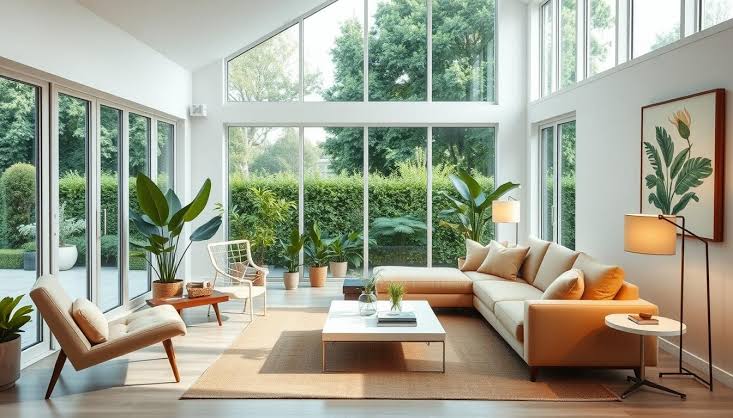
A beautiful home is rarely defined by one dramatic feature. More often, it is the result of dozens of smaller decisions working together: the way rooms connect, how natural light moves through the space, the materials underfoot, the placement of storage, and even the transitions between one area and the next. When those details are considered as part of a larger vision, a home tends to feel more cohesive and comfortable.
That process sometimes begins with something as fundamental as rethinking the floor plan to better match the way people actually live. A layout that worked years ago may no longer make sense when daily routines, family needs, or entertaining habits have changed. Improving the relationship between spaces can often have a greater impact than simply replacing finishes within an outdated arrangement.
Good Design Begins With How a Home Is Used
Appearance matters, but lasting design starts with function. A kitchen may look impressive in photographs, yet become frustrating if the main work areas are awkwardly positioned. A living room might have beautiful furniture but still feel uncomfortable if circulation paths constantly cut through seating areas.
Thinking about everyday habits helps prevent those problems. Where do people naturally enter the home? Where do bags, coats, shoes, and keys end up? Which rooms receive the most activity, and which areas are rarely used? These practical questions influence everything from cabinetry placement to furniture layouts.
The most successful interiors often move feel almost effortless. Rooms connect logically, storage appears where it is needed, and frequently used items remain accessible without creating visual clutter.
Materials Should Look Better With Time
Trends can inspire, but materials determine how a home actually ages. Surfaces that look attractive during installation may become disappointing if they scratch easily, stain quickly, or require constant maintenance.
This is one reason natural materials and restrained finishes remain popular even as design preferences change. Wood, stone, metal, and other durable surfaces tend to develop character rather than simply appearing worn. Their variations also help prevent interiors from feeling overly manufactured or temporary.
Consistency matters as well. Using too many competing materials can make individual rooms feel disconnected. Repeating certain textures, tones, or finishes throughout the home creates subtle visual continuity. The materials do not need to match exactly; they simply need to feel as though they belong to the same overall design story.
The Floor Sets the Tone for Everything Above It
Flooring occupies an enormous amount of visual space, even though people do not always think of it as a major design feature. Its tone influences wall colors, cabinetry, furniture, rugs, and even how bright a room appears.
A warm-toned floor can make a large room feel more welcoming, while lighter flooring can help smaller interiors appear more open. Wider boards may create a relaxed, contemporary impression, while traditional proportions can bring additional detail to classic spaces. Whatever the style, continuity between adjoining rooms usually creates a calmer result than frequent changes in flooring materials.
Existing floors also deserve careful consideration before replacement becomes the default choice. Solid wood surfaces, in particular, can often be renewed when scratches, fading, or worn finishes begin to affect their appearance. Choosing a quality floor refinishing service in Greensboro, NC can restore depth and character while preserving material that already belongs to the home. The result can feel refreshed without erasing the character that developed over time.
Lighting Changes More Than Visibility
Even carefully selected materials can look completely different depending on the light around them. Natural daylight reveals undertones in wood, paint, stone, and textiles that may not be obvious under artificial lighting.
For that reason, finishes should ideally be considered in the rooms where they will actually be used. A paint color that appears neutral in one space might look noticeably warmer or cooler in another. Flooring can shift in appearance throughout the day as sunlight changes direction and intensity.
Artificial lighting deserves the same attention. Instead of depending on a single ceiling fixture, layered lighting can create more flexibility. Ambient light provides general illumination, task lighting supports activities such as cooking or reading, and accent lighting can emphasize artwork, cabinetry, or architectural details. Together, these layers allow a home to adapt from bright daytime activity to quieter evenings.
Storage Works Best When It Disappears Into the Design
Storage is one of the least glamorous parts of designing a home, yet it has a significant effect on how finished spaces feel. Even an elegant room can quickly lose its appeal when everyday belongings have nowhere practical to go.
The best storage solutions often feel like part of the architecture rather than additional furniture. Built-in cabinetry, concealed drawers, well-planned closets, and carefully designed shelving can keep frequently used items nearby without allowing them to dominate the room.
Thoughtful storage can also reduce the temptation to overfill spaces with freestanding organizers later. Planning these details early makes it easier to maintain the clean lines and visual balance established elsewhere in the design.
A Lasting Home Leaves Room for Life
Designing for longevity does not mean creating an interior that never changes. Homes naturally evolve as routines, tastes, and households change. The goal is to create a strong foundation that can adapt without requiring constant major renovations.
That foundation comes from sensible layouts, durable materials, well-considered lighting, practical storage, and finishes that complement rather than compete with one another. Furniture, artwork, textiles, and decorative pieces can then change more freely over time.
Ultimately, the homes that feel most successful are not necessarily the ones filled with the most expensive features. They are the ones where individual decisions support each other. When function, materials, proportion, light, and craftsmanship are considered together, the details stop feeling like separate choices and begin to form a home that remains comfortable, useful, and beautiful for years to come.
