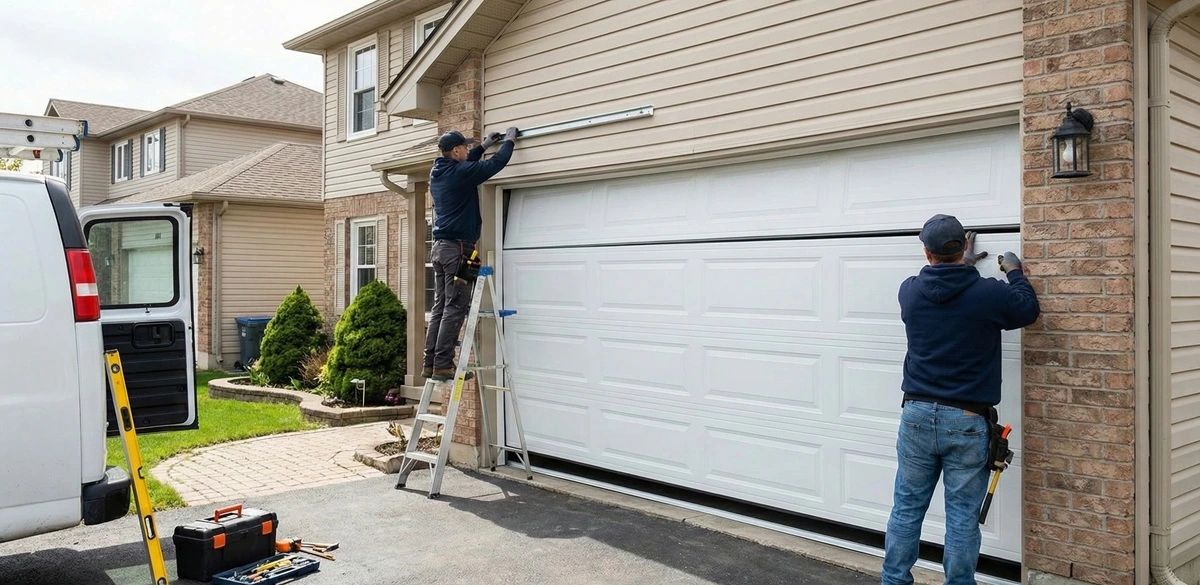
A garage door remote is easy to overlook until it stops working exactly when you need it. Whether you use the garage as your main entrance, park inside every evening, or simply want easier access to storage and outdoor equipment, a dependable remote can maintain a safe and convenient garage entrance without adding another complicated step to your routine. Modern remote controls may look simple, but the technology behind them can affect everything from daily convenience to the security of the entire garage.
Why the Remote Matters More Than It Seems
For many households, the garage door opens and closes several times each day. That makes the remote one of the most-used parts of the system, even though it may spend most of its life clipped to a vehicle visor or tucked into a bag.
A reliable remote allows the door to respond quickly when someone arrives home or leaves for the day. When it begins requiring repeated button presses, works only at very close range, or responds inconsistently, something has changed. Sometimes the problem is as simple as a weak battery. In other cases, the remote may need to be reprogrammed or replaced.
Ignoring those small annoyances can turn an everyday convenience into a frustrating routine. Finding the cause early is usually much easier than waiting until the remote stops communicating with the opener altogether.
Compatibility Comes Before Convenience
Not every remote works with every garage door opener. Even remotes that look nearly identical may use different frequencies, coding methods, or programming systems.
The age of the opener is an important consideration. Older systems may rely on technology that differs considerably from what newer remotes use. Modern systems often include changing access codes or other security features designed to make unauthorized duplication more difficult.
Before replacing a remote, it helps to identify the opener model and determine which type of transmitter is compatible with it. Choosing a remote based only on appearance can result in a device that cannot communicate with the existing system.
Universal remotes can sometimes provide a practical solution, particularly when several garage doors or older systems are involved. However, “universal” does not necessarily mean compatible with every opener ever produced. Checking compatibility beforehand can save considerable time and frustration.
When a Remote Starts Acting Unreliably
A remote that works sometimes but not others does not automatically need to be replaced. Several relatively simple issues can interfere with communication between the transmitter and opener.
A weakening battery is one of the most common possibilities. As battery power drops, operating range may decrease before the remote fails. Replacing the battery is therefore a sensible first step when performance suddenly becomes inconsistent.
Signal interference may also cause unusual behavior. Nearby electronic devices, certain lighting products, or changes around the garage can occasionally interfere with radio communication. If the remote works normally while standing close to the garage but struggles from farther away, signal strength or interference may be worth investigating.
The remote itself can also experience wear. Buttons can loosen, internal contacts can deteriorate, and devices dropped repeatedly may develop hidden damage. If a fresh battery and basic troubleshooting make no difference, testing another compatible remote can help determine whether the problem is with the handheld device or the opener.
Programming Should Be Simple, but Accurate
Pairing a remote with a garage door opener usually involves placing the opener into a programming mode and then registering the transmitter. The exact sequence depends on the equipment, which is why following instructions for the specific system matters.
Problems often happen when an older remote is replaced without properly pairing the new one. In other situations, homeowners may accidentally erase previously programmed devices while attempting to add another remote.
Programming becomes especially important after a remote is lost or stolen. Simply purchasing another transmitter does not necessarily prevent the missing device from operating the garage door. Depending on the opener, previously stored remotes may need to be removed from its memory before the remaining devices are programmed again.
That extra step can help prevent an unknown person from using a missing transmitter to gain access later.
Security Has Changed With Remote Technology
Older garage door systems were primarily designed to provide convenient wireless access. Newer technology places much greater emphasis on preventing unauthorized entry.
Many current systems use codes that change during normal operation rather than transmitting the same signal every time. This makes copying a remote signal considerably more difficult than it was with some older equipment.
Still, technology should complement good everyday habits rather than replace them. A remote left clearly visible inside a vehicle parked outdoors can create unnecessary risk. Treating the transmitter much like a house key is a sensible approach, particularly when the garage connects directly to the living area.
Homeowners should also know how to erase and reprogram their opener when necessary. That knowledge becomes particularly useful after losing a remote, purchasing a used vehicle with a transmitter inside, or moving into a home where previous access devices may still exist.
Smart Access Adds Another Layer of Control
Traditional handheld remotes remain useful, but garage access has gradually expanded beyond the small transmitter carried in a vehicle.
Some newer opener systems can work with connected controls that allow homeowners to check the door’s status or operate it through a compatible mobile device. This can be useful when someone leaves home and cannot remember whether the garage was closed.
Connected features may also make it easier to manage access for family members without handing out multiple physical remotes. Depending on the system, homeowners may be able to receive activity notifications or confirm whether the door is currently open or closed.
These features are convenient, but they are not essential for every household. Someone who simply wants dependable push-button access may prefer a straightforward remote. The best solution is the one that matches how the garage is actually used rather than adding technology that serves little practical purpose.
Don’t Blame the Remote for Every Problem
Sometimes a remote appears to be malfunctioning when the real problem lies somewhere else in the garage door system.
If multiple transmitters suddenly stop working, the opener’s receiver or power supply may deserve attention. If the opener activates but the door struggles to move, the issue could involve the door itself rather than wireless communication.
Safety sensors can also prevent normal closing when they are blocked, misaligned, or malfunctioning. In these situations, repeatedly pressing the remote will not correct the underlying problem.
Looking at the entire system helps avoid unnecessary replacement parts. A professional inspection can be especially helpful when several symptoms appear at once or when basic battery replacement and reprogramming do not restore normal operation.
A Small Upgrade That Can Improve Everyday Life
Garage door remotes rarely receive much attention when they work properly, and that is exactly the point. Good access equipment should make entering and leaving the garage almost effortless.
Replacing an unreliable transmitter, confirming compatibility, updating programming, and understanding basic security features can eliminate many common frustrations. For households using the garage as a primary entrance, even a small improvement in remote reliability can make daily routines noticeably smoother.
The goal does not have to be the most advanced system available. It should simply be dependable, secure, compatible with the existing opener, and easy for the household to use. When those pieces work together, the remote returns to doing what it should: opening the door when needed and otherwise staying pleasantly unnoticed.
