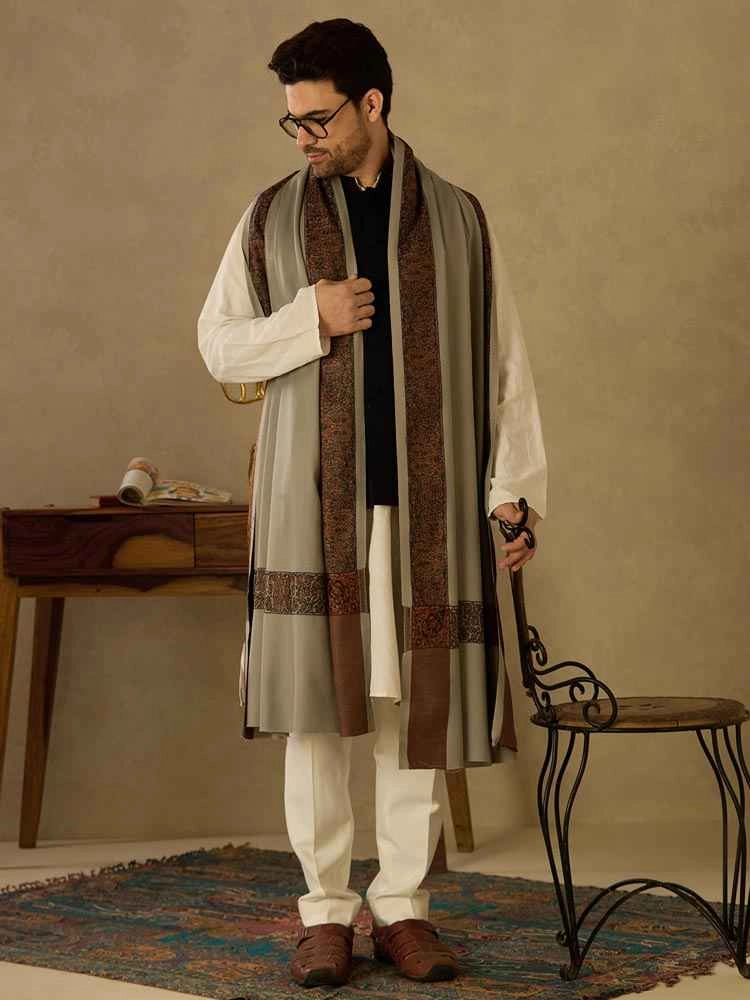
A shawl can be one of the most practical and stylish additions to a man’s winter wardrobe. It adds warmth without feeling as restrictive as a heavy coat, while also giving traditional outfits a more polished appearance. However, choosing the right shawl for men is not simply about picking a color or pattern you like. The fabric, weight, size, texture, and overall fit all affect how comfortable and useful the shawl will be.
For someone buying a shawl for the first time, the variety of wool, Kashmira, angora, pashmina, and blended fabrics can feel confusing. Some are designed for everyday winter wear, while others are better suited to formal occasions.
This guide breaks down the important factors so you can choose a shawl that matches your lifestyle, clothing, and budget.
Why Fabric Matters When Choosing a Men’s Shawl
The fabric is one of the first things you should consider. Different materials provide different levels of warmth, softness, breathability, and durability.
A good shawl should feel comfortable against your clothing and provide enough warmth for the conditions in which you plan to wear it. A very heavy fabric may be excellent for cold evenings but uncomfortable indoors. On the other hand, a lightweight material may look elegant but provide limited protection during particularly cold weather.
Here are some of the most common fabrics to consider.
Wool
Wool is one of the most practical choices for winter. It naturally provides insulation and can keep you warm without requiring an extremely thick layer.
A woolen shawl is particularly useful for everyday wear. You can pair it with a shalwar kameez, kurta, sweater, or even a simple shirt and trousers.
Wool shawls are available in different qualities and weights. Higher-quality wool generally feels softer and more comfortable, while lower-quality wool may feel slightly rough against the skin.
If your main priority is warmth and regular winter use, wool is a reliable starting point.
Pashmina
Pashmina is known for its softness, lightweight feel, and luxurious appearance. It is often associated with premium shawls and formal dressing.
A genuine high-quality pashmina shawl can provide impressive warmth without feeling bulky. It also drapes naturally around the shoulders, making it suitable for traditional and formal outfits.
Because premium pashmina can be expensive, it may not be the first choice for someone looking for an everyday shawl. It is better suited to buyers who value softness, refinement, and a luxurious finish.
Angora
Angora is another popular option for people who prefer a soft and warm winter layer. Angora fibers are known for their fluffy texture and ability to retain warmth.
An angora shawl can be a good option when comfort is your priority. However, softness alone should not determine your purchase. Always consider the quality of the blend and construction before buying.
Kashmira and Blended Fabrics
Kashmira-style fabrics and blended materials are also common in men’s winter shawls. They can provide a balance between appearance, comfort, warmth, and affordability.
For everyday buyers, a well-made blend can sometimes be more practical than an expensive luxury fabric. It may also be easier to maintain and suitable for frequent use.
Choosing the Right Shawl Weight
Fabric is important, but weight matters just as much.
Think about when and where you will use your shawl. If you mainly need something for chilly mornings, offices, family gatherings, or mild winter weather, a medium-weight shawl may be enough.
For colder areas or outdoor use, a heavier shawl can provide better insulation.
A useful way to think about it is:
- Lightweight: Suitable for mild weather and layering.
- Medium-weight: A versatile option for everyday winter use.
- Heavyweight: Better for colder weather and outdoor occasions.
The best shawl for men is not necessarily the thickest one. It is the one that provides the right amount of warmth without becoming uncomfortable.
How to Choose the Right Shawl Size
Size affects both comfort and appearance.
A shawl that is too small may not sit properly over your shoulders. You may constantly need to adjust it, which can make it less practical. A very large shawl, meanwhile, can become difficult to manage, especially when you are walking or sitting indoors.
For traditional Pakistani clothing, a medium-to-large rectangular shawl usually provides enough fabric to drape over the shoulders and create a balanced appearance.
Your height and body frame should also influence your choice. Taller men may prefer a larger shawl because it creates better coverage and proportion. Shorter men may find an excessively large shawl difficult to style.
Before buying, check the actual measurements rather than relying only on terms such as “large” or “standard.”
Consider How You Usually Dress
Your wardrobe should influence your choice of shawl.
If you regularly wear shalwar kameez, a traditional Pakistani men shawl can complement your clothing naturally. Solid colors, subtle patterns, and traditional woven designs can create a sophisticated look without making the outfit feel overly complicated.
If your wardrobe is more modern, look for neutral colors and simpler textures. Shades such as black, charcoal, brown, navy, beige, cream, and grey can work well with trousers, sweaters, coats, and casual shirts.
For formal events, you can consider richer textures, elegant borders, or more detailed patterns.
The key is to choose a shawl that works with the clothes you already own instead of buying something that only matches one particular outfit.
Match the Shawl to the Occasion
Not every shawl needs to serve the same purpose.
Everyday Wear
For daily use, prioritize comfort and durability. A medium-weight wool or blended fabric can be an excellent choice.
Choose colors that are easy to combine with multiple outfits. Simple patterns can also make the shawl more versatile.
Weddings and Formal Events
Formal occasions give you more freedom to choose premium fabrics and decorative designs.
A refined shawl with a subtle border can work particularly well with a traditional kurta or formal shalwar kameez. Darker or richer colors can create a more sophisticated appearance.
If you are attending a wedding, consider the overall color of your outfit before choosing the shawl. The goal should be coordination rather than having every element compete for attention.
Work and Business Settings
For professional environments, keep things simple. A clean, solid-colored shawl can provide warmth while maintaining a polished appearance.
Avoid overly large patterns if your workplace has a conservative dress code.
Pay Attention to the Weave and Finish
Two shawls made from similar materials can feel completely different because of their construction.
Look closely at the weave. It should appear consistent rather than loose or uneven. The edges should also be properly finished.
Run your hand gently over the fabric. It should feel reasonably smooth and comfortable. Excessive shedding, uneven stitching, or loose threads can indicate poor construction.
Choosing the Right Color
Color is mostly a matter of personal preference, but versatility should still be considered.
Neutral colors are usually the easiest to style. Black, grey, navy, brown, beige, and cream can work with a wide range of clothing.
If you already own several neutral outfits, you can introduce some personality through a patterned shawl.
Traditional designs can add character to a simple shalwar kameez, while minimal patterns may be better for everyday styling.
Think about your existing wardrobe before making the purchase. A shawl that matches five or six outfits will usually provide more value than one that only works with a single combination.
How Should a Shawl Fit?
Unlike a jacket or sweater, a shawl does not have a traditional fitted shape. Instead, “fit” mainly refers to how naturally it sits on your body.
When draped over the shoulders, it should provide enough coverage without constantly slipping. The fabric should hang naturally rather than creating excessive bulk.
The right shawl for men should give you freedom of movement. If you feel restricted whenever you wrap it around yourself, the size or weight may not be right for your needs.
What Should You Check Before Buying?
Whether you shop online or in a physical store, take a few minutes to evaluate the shawl before making a decision.
Check these points:
- Fabric: Is it suitable for your climate and intended use?
- Weight: Is it warm enough without being unnecessarily heavy?
- Size: Does it provide adequate coverage for your height and frame?
- Texture: Does the fabric feel comfortable?
- Construction: Are the weave and edges finished properly?
- Color: Can you pair it with several outfits?
- Purpose: Is it for everyday wear, work, or formal occasions?
- Care: Can you maintain the fabric according to its requirements?
These simple checks can prevent you from buying a shawl that looks attractive but does not work well in everyday use.
Wool vs. Luxury Fabrics: Which Should You Choose?
There is no single fabric that is perfect for every man.
If warmth, durability, and regular use are your priorities, wool is a practical option. If softness and luxury are more important, pashmina or premium blends may be worth considering.
For occasional formal use, you may prefer a finer and more elegant material. For daily winter wear, durability and easy maintenance may matter more than having the most luxurious fabric available.
Your budget should also play a role. Spending more does not automatically mean you are getting the best shawl for men. The best purchase is one that matches your actual needs.
Final Thoughts
Choosing the right men’s shawl becomes much easier when you focus on practical factors rather than trends alone. Start with the fabric, then consider the weight, size, color, construction, and occasion.
A woolen shawl is a dependable option for everyday winter wear, while premium materials can be better suited to formal occasions or buyers looking for a softer and more luxurious experience. A traditional Pakistani men shawl can complement shalwar kameez beautifully, while simpler designs can work equally well with modern clothing.
