
Most people picture a Nepal trek as a race to one famous view. In reality, the walking is the story. You pass through rice terraces, rhododendron forest, stone villages and finally bare rock and ice, and every region has its own people and its own rhythm. That’s why so many travelers get stuck choosing between the same four routes: the Annapurna Base Camp Trek, the Manaslu Circuit Trek, the Annapurna Circuit Trek and the Everest Three Pass Trek.
Here’s the short answer. The Annapurna Base Camp Trek is compact and mountain-focused. The Manaslu Circuit Trek is more remote and culturally distinctive. The Annapurna Circuit Trek offers the widest geographical variety, and the Everest Three Pass Trek is the most demanding of the four. The rest of this article looks at how they differ in landscape, communities, altitude and day-to-day effort, so you can match a route to your own time and experience.
Nepal’s Trekking Geography Changes Dramatically From Valley to High Pass
The Nepal Himalayas are not one uniform trekking environment. A few days of walking can change the climate, the crops, the houses and even the greeting people give you at a doorway.
From subtropical valleys to high Himalayan passes
Trails usually begin low, among terraced fields, river valleys and farming villages where it’s warm and green. Climb higher and you move into pine and rhododendron forest, then open alpine slopes where the trees thin out. Above that come glacial valleys and high-altitude passes: rock, ice, wind and thin air.
Elevation controls almost everything. Temperatures drop, farming gives way to herding, and the hardier crops replace the ones grown below. Mountain villages sit wherever water and flat ground allow, and in the higher valleys Buddhist communities mark the landscape with prayer flags and carved stones. These mountain ecosystems shape how people live, and that’s exactly what you end up walking through on each of these treks.
Annapurna Base Camp Trek — A Focused Journey Into the Annapurna Sanctuary
The Annapurna Base Camp Trek is the one many people pick first, and it’s easy to see why. Over a handful of days you climb out of terraced farmland, through bamboo and rhododendron forest, and into the Annapurna Sanctuary, a high glacial basin ringed by peaks. Annapurna South and the pointed fishtail of Machapuchare dominate the skyline as you get closer, and the scenery turns steeper and starker with each stage. Most itineraries run somewhere around a week to ten days, though that depends on where you start and how much time you give yourself.
Altitude is the real variable. Base camp sits at roughly 4,100 metres, so the final stretch is where headaches and poor sleep tend to show up. Climbing slowly and keeping a spare day in reserve matters more than raw fitness. And because it’s one up-and-back valley rather than a loop over a pass, the trek feels compact next to the longer Himalayan circuits.
What makes Annapurna Base Camp culturally different?
The lower villages are mostly Gurung and Magar, and you notice it in the stone-and-slate houses, the millet and rice growing around them, and the way teahouse families treat you like a guest at their own table. Hindu and Buddhist influences sit side by side, so a small shrine and a string of prayer flags can share the same trail junction. As you gain height, farming disappears and the culture shifts from settled village life to simple lodges built for passing trekkers.
Practical takeaway
Best suited to travelers who want a concentrated Himalayan trekking experience without committing to a very long circuit.
Manaslu Circuit Trek — Remote Valleys, Buddhist Culture and the Larkya La
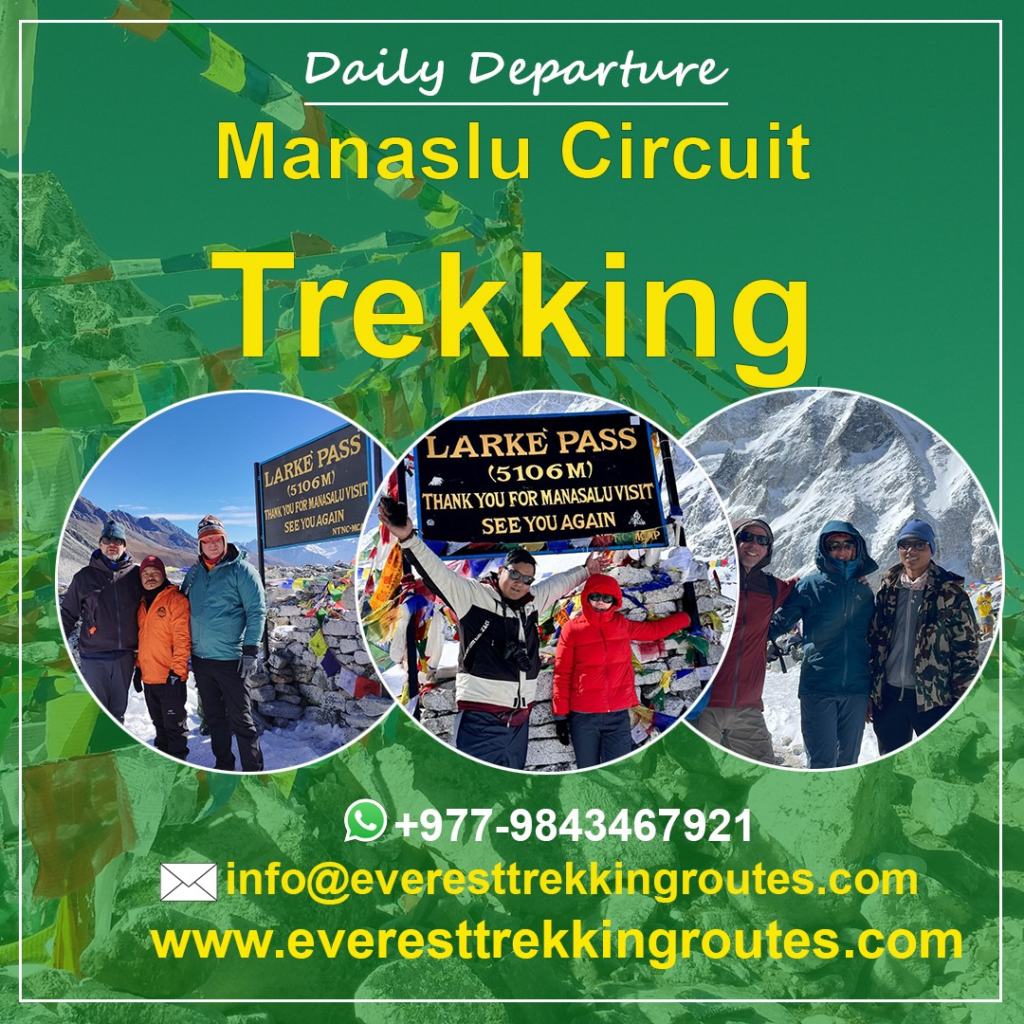
The Manaslu Circuit Trek loops around Mount Manaslu, the eighth-highest mountain in the world, following the Budhi Gandaki valley upstream. The first days are narrow gorges, suspension bridges and warm, green hillsides. Then the valley opens, the villages spread further apart, and the feel of the place turns noticeably Tibetan. Monasteries, long mani walls and prayer flags become part of the daily scenery, and the houses change to heavy stone buildings made to hold off the cold.
Remoteness shapes everything here. Services are simpler, the trail is quieter, and there’s less margin if plans go wrong. The Larkya La, a pass of around 5,100 metres, is the big geographical hurdle, and it’s usually crossed in one long day. This is also a restricted area, so you’ll need special permits and, as far as current rules go, arrangements through a registered trekking company with a licensed guide. Check the latest requirements before you book.
Why the Manaslu landscape feels different
Down low it’s lush: terraced fields, bamboo, waterfalls. Heading up, the forest gives way to juniper and then to barren slopes, with yak pastures and dry, wind-scoured side valleys. That shift from green to dry, high terrain happens in only a few days, and it’s a big part of why this walk feels like crossing into another world rather than just climbing a mountain.
Practical takeaway
Better suited to travelers who value remoteness, cultural depth and a quieter trail more than convenience.
Annapurna Circuit Trek — A Journey Across Multiple Landscapes

The Annapurna Circuit Trek is really several treks stitched together. You start in river valleys with rice paddies and busy farming villages, walk up through damp forest, and end up in the dry, high country around Manang, where the air is thin and the land starts to resemble the Tibetan plateau. Tibetan cultural influence is strong in the upper sections, and on the Mustang side, around Muktinath and Kagbeni, the scenery turns windswept and different again. Thorong La, at about 5,400 metres, is the crossing that defines the whole journey.
Roads have changed this trek a lot. In some sections jeeps now run where the old trail used to be, so many trekkers use side trails or vehicles to skip stretches. It’s worth knowing that before you go. There’s a real difference between walking the circuit step by step and simply traveling through the region by road, because the gradual change in landscape and village life only makes sense on foot.
Why the Annapurna Circuit remains geographically interesting
Few other routes take you from subtropical warmth to cold, arid highlands in a single trip. Climate, farming, language and religion all shift along the way, so the trek reads almost like a cross-section of central Nepal.
Practical takeaway
A strong option for travelers who want geographical variety and a longer journey rather than one concentrated destination.
Everest Three Pass Trek — The High-Altitude Route for Experienced Trekkers
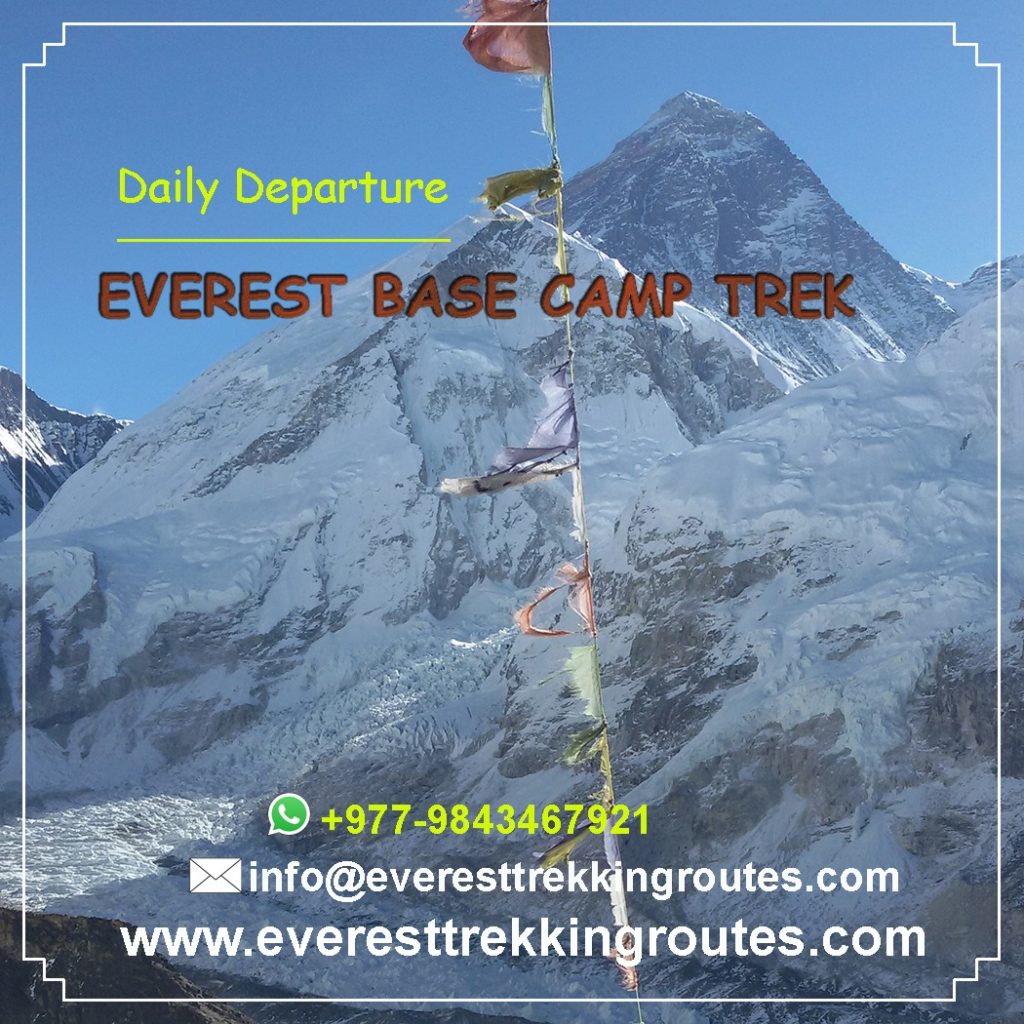
The Everest Three Pass Trek runs through the Khumbu, the Sherpa homeland, and links the region’s major valleys by crossing Kongma La, Cho La and Renjo La. Instead of walking in and out along one corridor, you move in a loop that takes in the Gokyo lakes, the Everest base camp area and Chhukung, so it covers far more of the Everest region than the standard route. Namche Bazaar is usually the first big stop, and monasteries like Tengboche give a window into Sherpa Buddhist traditions. Life in these villages is tied to trade, mountaineering and yak herding.
More exposure comes with all that. You spend many days above 4,000 metres, weather can complicate or close a pass, and acclimatization becomes less of a suggestion and more of a requirement. Itineraries commonly stretch to two or three weeks.
How the three passes change the experience
People sometimes treat this as a longer Everest Base Camp trek. It isn’t. The terrain is steeper and feels more technical, with rocky approaches, loose moraine and sometimes snow or ice near the passes. Trail conditions can change from one week to the next, and there are fewer easy ways out once you’re committed to a crossing. Weather and your physical preparation matter far more than they do on the main trail.
Practical takeaway
Best for experienced trekkers looking for a demanding high-altitude route rather than a straightforward Everest journey.
Annapurna Base Camp vs Manaslu vs Annapurna Circuit vs Everest Three Pass
| Trek | Main geographical character | Cultural character | Major challenge | Best for |
| Annapurna Base Camp Trek | Sanctuary and mountain valley | Gurung/Magar communities | Altitude and ascent | Focused Himalayan experience |
| Manaslu Circuit Trek | Remote river valley to high pass | Tibetan-influenced culture | Remoteness and Larkya La | Culture and solitude |
| Annapurna Circuit Trek | Highly varied landscapes | Manang/Mustang influences | Thorong La and length | Geographic diversity |
| Everest Three Pass Trek | High alpine valleys and passes | Sherpa culture | Multiple high passes | Experienced trekkers |
There’s no universally “best” route here. The easiest of the four is usually the Annapurna Base Camp Trek, the hardest is the Everest Three Pass Trek, and the most remote is Manaslu. Beyond that, the right choice depends entirely on what you want out of the trip.
What These Four Treks Reveal About Nepal
Put these four routes side by side and Nepal starts to look like a stack of different worlds rather than one mountain country. Gurung and Magar farming villages, Tibetan-style settlements along the Budhi Gandaki, the Manang and Mustang highlands, and the Sherpa communities of the Khumbu each have their own religion, food and building style. Altitude decides most of it: what grows, how people herd, where a village can even exist. Rivers cut the trails and feed the terraces below. Travelers researching Himalayan trekking routes, including through resources like Everest Trekking Routes, often find that everyday life along the trail ends up being as memorable as the peaks.
How to Choose the Right Trek for Your Travel Style
- Choose the Annapurna Base Camp Trek if you want a relatively focused mountain journey.
- Choose the Manaslu Circuit Trek if remoteness and cultural immersion matter most.
- Choose the Annapurna Circuit Trek if geographical variety is your priority.
- Choose the Everest Three Pass Trek if you’re an experienced trekker seeking demanding high-altitude terrain.
Your available time, previous trekking experience, altitude tolerance, season and interest in culture should all weigh on the decision too.
Practical Things to Consider Before Trekking
Permits and route-specific regulations differ from trek to trek, so check them early. Weather and seasonal trail conditions can change plans quickly, which is why a flexible schedule with a few buffer days is wise. Acclimatization is not optional on any of these routes. Get travel insurance that actually covers high-altitude trekking, and build up your fitness well before departure. Local guides and trekking logistics are required on some routes and helpful on all of them. Finally, treat the communities you pass through with respect, from how you dress to how you handle waste. Responsible tourism keeps these trails worth walking.
FAQs About Nepal’s Four Major Trekking Routes
Which is harder, Manaslu Circuit Trek or Annapurna Circuit Trek?
Generally Manaslu. It’s more remote, the lodges are simpler, and restricted-area rules apply. Both cross a pass above 5,000 metres, but the Annapurna Circuit has more infrastructure and easier ways out.
Is the Annapurna Base Camp Trek suitable for first-time trekkers?
Yes, with reasonable fitness. The trail is steady rather than technical and teahouses are frequent. Just take altitude seriously near the sanctuary and don’t rush the upper days.
Which trek has the best cultural experience in Nepal?
There’s no single winner. Annapurna Base Camp offers Gurung and Magar village life, Manaslu has the strongest Tibetan-influenced feel, the Annapurna Circuit mixes several communities, and the Everest region brings Sherpa culture.
Is the Everest Three Pass Trek harder than Everest Base Camp?
Yes, clearly. It covers substantially more high-altitude terrain and asks you to cross three passes rather than walk up and down one valley.
What is the biggest geographical difference between the Annapurna and Manaslu treks?
Annapurna offers broad landscape diversity, from farmland to dry highlands. Manaslu follows one remote Budhi Gandaki valley toward a high Himalayan transition.
How do I choose between Annapurna Base Camp, Manaslu, Annapurna Circuit and Everest Three Pass?
Start with time and experience. Short on days: Annapurna Base Camp. Want culture and quiet: Manaslu. Want variety: the Annapurna Circuit. Want a serious challenge: the Everest Three Pass.
Contact Details
——————————–
Everest Trekking Routes Pvt. Ltd.
16 Khumbu, Nayabazaar, Kathmandu, Nepal
Mobile : +977-9843467921 (Rabin)
Email: info@everesttrekkingroutes.com
URL:– www.everesttrekkingroutes.com
