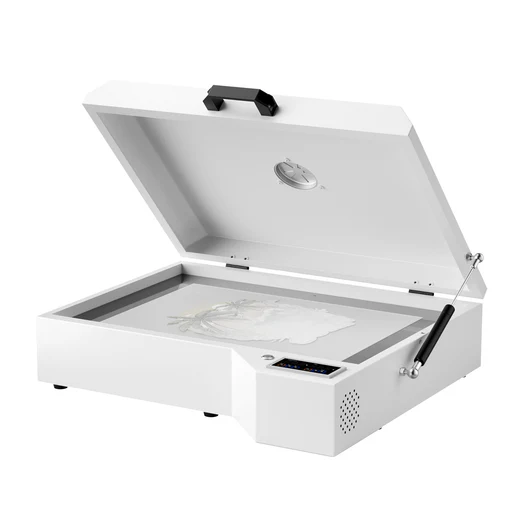
DTF Oven: Creative modern printing technology has led to advances in the custom apparel market improving the ease by which ideas are converted into clothing. Small brands, home-based sellers, and independent clothing designers can now create custom clothing without the need to manage a large production operation. One form of printing that has gained traction for its ability to easily print details and versatility across a variety of clothing is Direct to Film printing. A full printing setup can consist of a printer, transfer films, powder, curing equipment, and a t-shirt press. When each component is executed correctly, the desired clothing can have the appearance of a professional print.
How to Choose the Best DTF Printers for Small Businesses
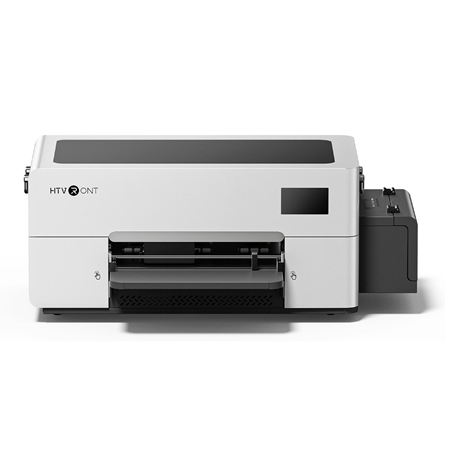
When buying a DTF printer for small business use, the priciest or fastest printer is not necessarily the best option. It is important to know what your small business actually needs in terms of production. Some of this includes estimating how many products, like shirts, you want to produce, how much space you have in your business, and the printer’s ease of maintenance. Print quality, how much ink will be used, the software, and the support the printer company provides should also be evaluated. A good DTF printer will fit the needs of your small business and not create more costs for you.
Considering Your Daily Output
Assessing your expected daily output is important before purchasing any printing setup. Individuals producing a handful of custom shirts every week and a printing company that receives multiple orders every single business day will not require the same setup. Sizing equipment to your expected daily output is important because equipment too small to handle your daily output will partially be non-functional. On the other hand, equipment that is larger than what you require will be a drain on your capital. Understanding order volume enables you to make the most sensible decision. When demand does increase, printing does become an easier business to scale.
Evaluating Print Design Quality
Customers notice the quality of printed graphics. Transfers should have clean graphics and well-defined details along with every color saturated. Bad printing makes even the best designs look completely unprofessional. It is prudent to find out a printer’s color quality, resolution, printing consistency, and the printer’s color and ink systems before committing to one. Printing samples will also optimize your setup for the way you want to print.
The Function of a DTF Oven
After the design prints and adheres the powder, the transfer must cure. A DTF Oven offers the ability to control the heat for this part of the process. The adhesive powder melts and gets ready to hold the bond to the fabric in the press. Curing, when done correctly, means that the adhesive is set up to be even for the printed design. The heat, along with the time for curing, is at the discretion of the operators, and should always be considered for the materials being used.
Selecting Suitable Curing Equipment
Best dtf printer for small business: The right curing equipment depends on the size of the business. Small businesses use compact equipment that uses less workspace. Smaller businesses use less curing equipment. When looking at different equipment, consider how consistent the heating is, the size of the curing equipment, the temperature control of the equipment, the safety of the equipment, how easy the equipment is to clean, how the equipment fits into the overall workflow of production, and how easy the equipment fits into the overall workflow of production. Transfers should move seamlessly from printing to curing to pressing.
Handling Adhesive Powder With Care
The adhesive powder binds the printed design to the garment, but it is important that the powder is applied correctly. When applying the powder, the printed design should be covered completely and evenly with powder, but be careful not to overapply the powder, as it creates a buildup of powder. Small businesses apply powder by hand, but larger businesses usually have a machine that applies the powder. Regardless of which method is used, a clean workspace is essential. Be sure that no loose powder gets left behind or is lost, as it will get everywhere and will lead to contamination in other parts of the production area.
Preparing the Garment for Pressing
There are a few steps that need to be done in preparing the garment to receive the design. To receive the design the garment needs to be clean, dry, and free of all wrinkles in the area the design is going. Depending on the design and the process being used, it may be helpful to do a quick press to dry and flatten the area. Once the area is prepared the design can be aligned and placed in the appropriate spot. A ruler can be used to help ensure that the design is placed in the correct spot for consistent results, especially if multiple garments are being prepared for the same customer.
Selecting Pressing Equipment
When selecting a heat press, it is important to note that not all businesses require the same type of machine. A small business that operates out of the owner’s home may use a very simple, manual heat press. A business of a larger scale may require equipment that can do a faster rate of production. Consider the size of the designs that you will be pressing, and the size of the garments. A heat press can have a large pressing area to accommodate large designs, but can also have a standard size for heat transfer designs that will only be done on a standard size shirt. Features like adjustability of pressure, time, and temperature, as well as accuracy of temperature settings can also be considered.
Importance of Pressure
Pressure is a key factor for the transfer process. Sufficient contact is needed to ensure that a design will transfer and will bond to the fabric. If not enough pressure is applied to the design, it may remain unbonded to the fabric. Too much pressure can also have adverse effects on the fabric and transfer. A good press will exert even pressure across the area that it will be working on. It is best to consult the instructions that are provided for the transfer materials to set the press to the appropriate pressure. This will help achieve the desired transfer.
Conclusion
A custom apparel business needs more investment than just a printer and heat press. The business’s success is built through a well-organized workflow at each stage, from prepping the artwork, selecting an appropriate DTF printer for small businesses, transferring the designs that have been printed on DTF transfers, and finally heat pressing the DTF prints onto the apparel. The DTF Oven is an important piece of equipment for the transfer process because it cures the adhesive. With testing of the correct materials, business owners can sell high quality apparel and custom clothing out of a small home-based business and gain a loyal customer base.
