
Winning a venture starts offevolved long before the first cord is pulled. It starts with a bid, and what sort of you spend money on making ready that bid could make or destroy your income margin. Many electrical contractors underestimate this early stage, treating it as a formality rather than a strategic investment. In 2026, with material costs moving and hard work quotes climbing, getting your bid coaching price range proper topics extra than ever. This article breaks down exactly what is going into that price range, why it varies, and the way clever making plans here can pay off later. Whether you’re a small residential contractor or dealing with huge business contracts, knowing these costs will assist you bid smarter, not simply quicker.
Why Bid Preparation Costs Are Rising in 2026
Bid coaching isn’t always just about filling out a proposal template anymore. It entails special takeoffs, correct material pricing, labor forecasting, and compliance assessments — all of which take time and information. As material fees keep rising and assignment timelines tighten, contractors are spending more hours per bid than they did just a few years ago.
Several elements are driving this shift:
- Volatile copper and conduit pricing that requires frequent re-checking
- More complicated industrial and industrial mission specifications
- Growing demand for instant turnaround times on aggressive bids
- Increased use of digital plan units requiring specialised software
- Stricter compliance and code necessities across regions
These pressures suggest that cutting corners on bid practise often costs more in overlooked opportunities or erroneous estimates than it saves.
Typical Cost Ranges for Electrical Bid Preparation
Pricing for bid practice varies extensively depending on task length, complexity, and whether or not the work is accomplished in-house or outsourced. For smaller residential jobs, training may only take a few hours and cost a few hundred dollars in hard work time. Larger business or commercial bids, however, can require dozens of hours and thousands of dollars in training prices earlier than a single bid is even submitted.
This is why many contractors turn to expert electrical estimating services to manage the workload without overextending their internal groups. Outsourcing this feature lets contractors bid on more projects simultaneously, considering dedicated estimators can flip around specific takeoffs quicker than an in-house group juggling a couple of duties. For growing agencies, this shift often becomes much less about cost-cutting and extra approximately potential building.
In-House vs. Outsourced: Where the Budget Goes
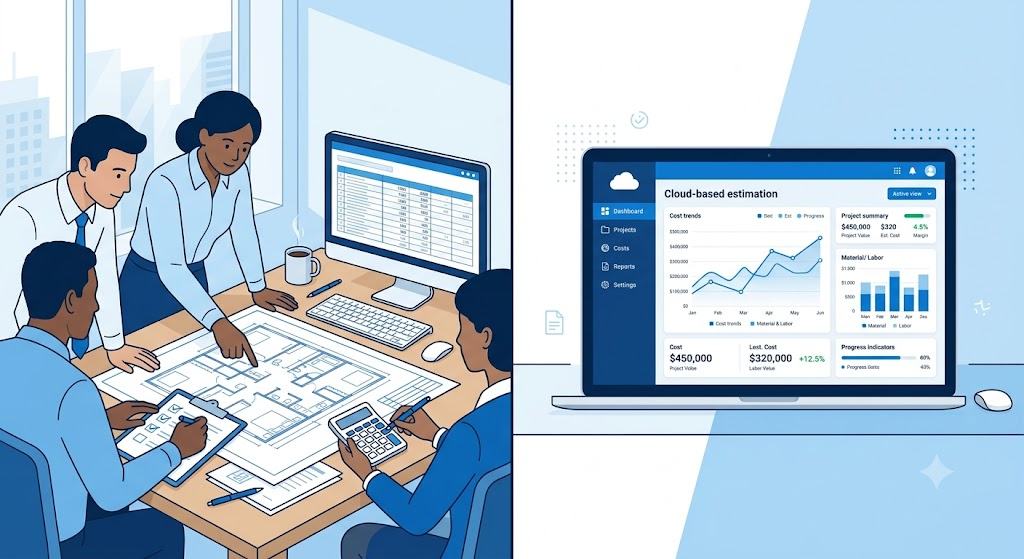
Deciding whether to hold bid education in-house or hand it off to a third birthday celebration appreciably influences your budget shape. In-house estimating method deciding to buy salaries, software subscriptions, and ongoing training costs that exist whether or not you’re actively bidding on projects. Outsourced alternatives, alternatively, generally function on a per-task or subscription basis, which may provide more predictable and scalable prices.
Many contractors now work with electrical estimating companies to bridge this gap, mainly during busy bidding seasons. These groups deliver specialised software, educated estimators, and faster turnaround times, which could reduce the total cost per bid even though the per-task fee may look better at the start glance. It’s a trade-off between constant overhead and flexible, on-demand expertise.
When evaluating the two techniques, recollect those elements:
- Volume of bids submitted monthly or yearly
- Complexity of usual tasks (residential vs. Commercial vs. Commercial)
- Availability and price of professional in-house estimators
- Software and licensing expenses for takeoff gear
- Turnaround time requirements for aggressive bidding
For contractors bidding inconsistently or seasonally, outsourcing often makes greater monetary sense than retaining a full-time estimating branch 12 months-round.
Hidden Costs to Watch For
Beyond the obvious labor and software program charges, there are hidden expenses that often get ignored in budget planning. Rework due to faulty takeoffs, overlooked closing dates resulting in lost bids, and inconsistent pricing across estimators can all quietly inflate your actual cost of bid education.
Tracking those hidden charges over a few bidding cycles can screen whether or not your present-day manner is truly as green as it seems on paper.
Budgeting Guidelines for 2026
So, what must you really set aside for bid instruction this yr? While specific figures depend on your market and task types, an affordable start line is to allocate between 1% and three% of a project’s overall expected fee toward bid education charges. For a $500,000 commercial assignment, that would suggest anywhere from $five,000 to $15,000 spent on correct takeoffs, pricing research, and concept development.
It helps to break this down in addition:
- Small residential jobs: a few hundred dollars per bid
- Mid-size industrial initiatives: $1,000–$5,000 per bid
- Large business or business contracts: $five,000–$15,000+ according to bid
- Ongoing software program subscriptions: $one hundred–$500 in keeping with month relying on gear used
| Project Type | Typical Bid Value | Estimated Bid Preparation Cost | % of Project Value |
| Small Residential Job | $10,000 – $50,000 | $200 – $800 | ~1.5% – 2% |
| Mid-Size Commercial Project | $100,000 – $500,000 | $1,000 – $5,000 | ~1% – 2% |
| Large Commercial / Industrial Contract | $500,000 – $2,000,000+ | $5,000 – $15,000+ | ~1% – 2.5% |
| Outsourced Estimating Fee (any size) | Varies | 0.5% – 2% of project value | 0.5% – 2% |
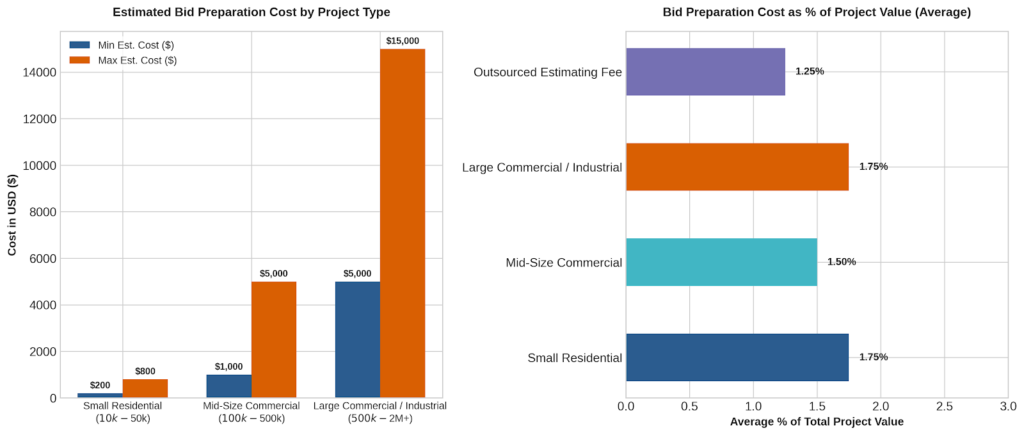
Outsourced estimating costs: normally0.5%–2% of project cost
These numbers aren’t constant rules, but they provide a useful benchmark for making plans your personal budget realistically.
How Accurate Estimating Impacts Long-Term Profitability
It’s tempting to view bid coaching as a sunk value money spent whether or not you win the job. But correct, well-prepared bids at once affect your win rate and profitability once a project is underway. A rushed or erroneous estimate may win a bid on paper but cause cost overruns, disputes, or skinny margins during execution.
This is why many contractors increasingly depend on broader construction estimating services that cover not just the electrical scope but also align with preferred contractor timelines and budgets. Coordinating estimates across trades helps keep away from mismatched expectations and continues initiatives running smoothly from bid to completion.
Investing accurately in this early section has a tendency to pay for itself through fewer disputes, better customer relationships, and more constant income margins throughout tasks.
Final Thoughts
Budgeting for electrical bid preparation in 2026 is not just about masking hard work hours; it’s about protecting your bottom line before a task even starts offevolved. As material costs and venture complexity continue to rise, contractors who treat bid coaching as a strategic investment, instead of a formality, have a tendency to win more worthwhile work with fewer surprises down the line.
Whether you pick to keep estimating in-house or bring in outside help, the purpose stays the same: accurate, timely bids that replicate real venture costs. Taking the time to assess your current technique, track hidden fees, and set a practical price range will set your commercial enterprise for steadier increase at some stage in the 12 months.
Ultimately, the contractors who reach 2026 might be those who see bid preparation not as overhead, but as one of the most treasured investments in their whole business.
Frequently Asked Questions
1. How much does electrical bid practice normally value?
Costs vary by project size; however, a common benchmark is 1%–three% of the total expected project cost, ranging from a few hundred dollars for small jobs to $15,000 or more for big industrial contracts.
2. Is it cheaper to outsource electrical estimating than to keep it in-house?
It depends on your bid quantity. Outsourcing often costs less for contractors with inconsistent bidding schedules, even as extensive-scope bidders can also benefit from a dedicated in-house crew.
3. What elements increase the cost of bid education?
Project complexity, tight deadlines, fluctuating fabric prices, and the need for specialized software or compliance checks all contribute to better practise charges.
4. How does accurate bid training affect profitability?
Well-organized bids reduce the threat of cost overruns and disputes during creation, assisting keep healthier income margins in the course of the challenge.
5. Should small residential contractors worry about bid practise costs?
Yes, even small tasks benefit from accurate takeoffs and pricing. Underestimating a small job can erode margins just as easily as a large one.
