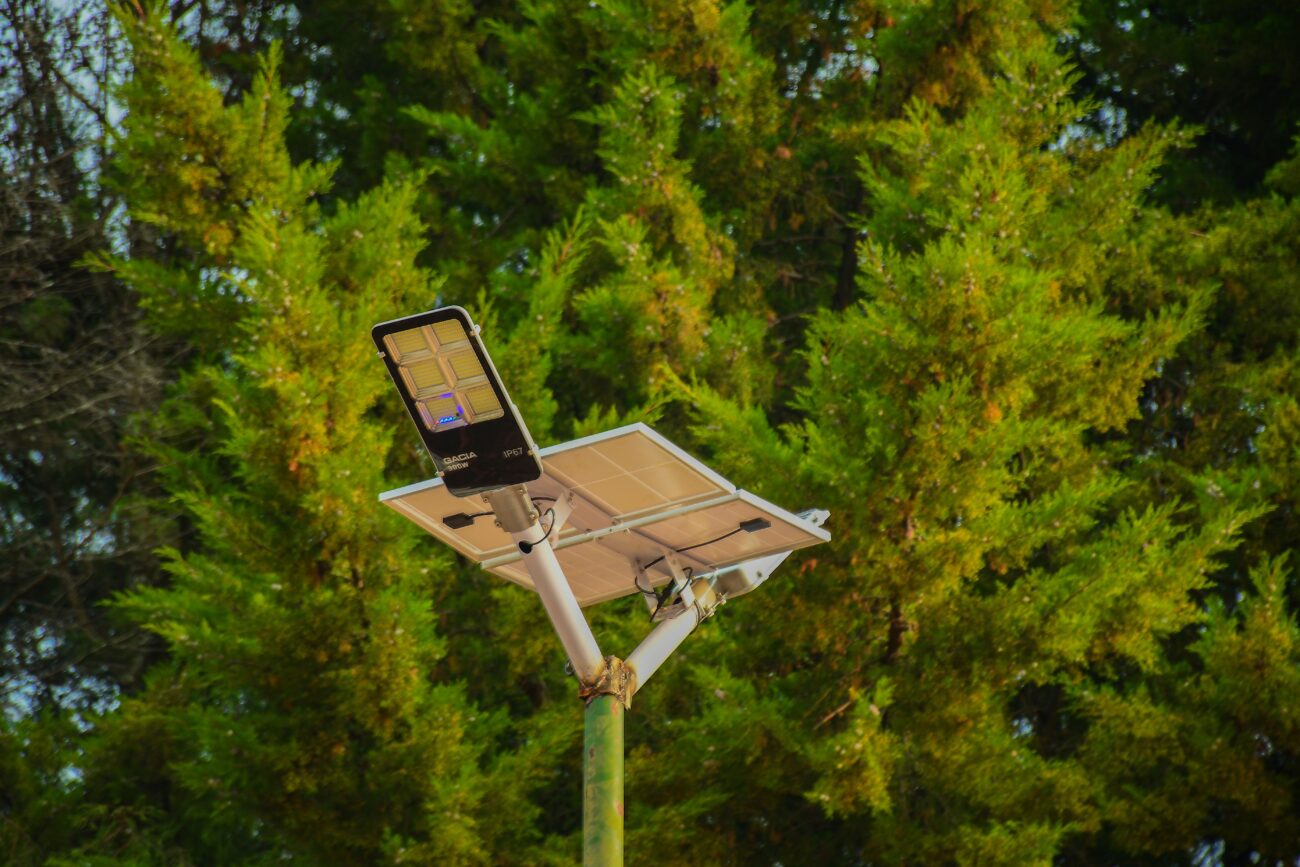
Solar powered outdoor lights have become increasingly popular for homeowners looking to brighten pathways, gardens, patios, and driveways without increasing their electricity bills. They’re easy to install, require no wiring, and rely on sunlight instead of your home’s electrical system.
But are they actually worth buying?
The short answer is yes, for many households. However, like any home improvement product, solar outdoor lights have advantages and limitations. Understanding how they work and where they perform best can help you decide whether they’re a smart investment for your home.
How Do Solar Outdoor Lights Work?
Solar outdoor lights use small photovoltaic panels to capture sunlight during the day. The energy is stored in rechargeable batteries, which power the lights after sunset. If you’re interested in the technology behind solar power, the U.S. Department of Energy’s guide to photovoltaic (PV) systems explains how solar panels convert sunlight into electricity and why they’re widely used in residential and commercial applications.
Most models include built in sensors that automatically turn the lights on at dusk and off at sunrise. This makes them convenient and energy efficient without requiring manual operation.
Because they don’t connect to your home’s electrical wiring, installation is usually as simple as placing the lights where they’ll receive adequate sunlight.
The Benefits of Solar Outdoor Lights
Solar lighting offers several advantages that make it attractive for homeowners.
Lower Electricity Costs
Since solar lights are powered by sunlight, they don’t draw electricity from your home’s electrical system.
If you use several outdoor lights every evening, switching to solar models may help reduce your household’s electricity consumption over time.
Although the savings from a few lights may be modest, they can add up over the years.
Easy Installation
Traditional outdoor lighting often requires electrical wiring, professional installation, or trenching through your yard.
Solar lights eliminate these requirements, making them an excellent option for DIY homeowners.
Most stake lights can be installed in just a few minutes.
Environmentally Friendly
Using renewable solar energy reduces dependence on electricity generated from traditional power sources.
While individual lights have a small environmental impact, choosing solar products can contribute to broader energy conservation efforts when combined with other efficient household practices.
Improved Outdoor Safety
Well placed outdoor lighting makes walkways, driveways, and entryways easier to navigate after dark.
Solar lights can help reduce trip hazards while improving visibility around your home without increasing your monthly electricity bill.
Flexible Placement
Because no wiring is required, solar lights can be installed almost anywhere with sufficient sunlight.
This flexibility makes it easier to highlight landscaping, illuminate garden paths, or add decorative lighting to outdoor spaces.
The Limitations to Consider
Solar outdoor lights aren’t perfect for every situation.
Understanding their limitations can help set realistic expectations.
Performance Depends on Sunlight
Solar lights need direct sunlight to fully charge.
Homes with heavy tree cover, frequent cloudy weather, or shaded yards may experience shorter operating times during the evening.
Placement is one of the biggest factors affecting performance.
Brightness May Be Limited
Many decorative solar lights are designed for accent lighting rather than high brightness.
If your goal is to illuminate a large driveway or provide strong security lighting, wired LED floodlights may be more suitable.
Fortunately, newer premium solar models have become significantly brighter than earlier generations.
Batteries Eventually Need Replacement
Most solar lights use rechargeable batteries that gradually lose capacity over time.
Depending on the product and weather conditions, batteries typically need replacement every few years.
Fortunately, replacement batteries are often inexpensive and easy to install.
Weather Can Affect Performance
Rain, snow, dust, and debris can reduce charging efficiency if the solar panel becomes dirty.
Cleaning the panels occasionally helps maintain consistent performance.
Are Solar Lights Cost Effective?
For many homeowners, yes.
Although solar lights often cost more upfront than basic wired alternatives, they avoid ongoing electricity costs and usually require minimal maintenance.
The value depends on several factors, including:
- The amount of sunlight your yard receives.
- The quality of the lights you purchase.
- How many hours they’re used each night.
- Your expectations for brightness.
If you’re looking for decorative landscape lighting or pathway illumination, solar lights often provide excellent long term value.
Choosing the Right Solar Outdoor Lights
When shopping for solar lighting, consider:
- Brightness measured in lumens.
- Battery capacity.
- Weather resistance rating.
- Charging efficiency.
- Adjustable solar panels.
- Motion sensor features.
- Warranty coverage.
Reading customer reviews can also provide insight into how different models perform in real world conditions.
Solar Lights as Part of a Bigger Energy Strategy
Solar outdoor lighting is one way to reduce household electricity use, but it works best as part of a broader energy efficiency plan.
Simple habits such as switching to LED bulbs, sealing air leaks, maintaining heating and cooling systems, and choosing an electricity plan that fits your needs often have a greater overall impact. If you’re researching texas energy options, comparing electricity providers alongside energy saving upgrades can help maximize both comfort and long term savings.
Frequently Asked Questions
Do solar outdoor lights really save money?
Yes. Since they use sunlight instead of electricity from your home, solar lights can reduce the energy used for outdoor lighting. The overall savings depend on how many lights you replace and how often they are used.
How long do solar outdoor lights last?
The lights themselves can often last several years. Rechargeable batteries typically need replacement every two to five years, depending on usage, climate, and product quality.
Do solar lights work on cloudy days?
Yes, but they may not charge as fully as they would on bright sunny days. As a result, they may operate for fewer hours during the night.
Can solar lights stay outside all year?
Most outdoor solar lights are designed to withstand rain and normal weather conditions. However, severe storms, heavy snow, or prolonged exposure to harsh environments may affect their lifespan.
Are solar lights bright enough for security?
Some high quality solar floodlights with motion sensors provide enough brightness for security purposes. Decorative garden lights, however, are generally intended for accent lighting rather than security.
What should I look for when buying solar outdoor lights?
Look for durable construction, a good weather resistance rating, sufficient brightness, quality rechargeable batteries, efficient solar panels, and positive customer reviews.
Final Thoughts
Solar powered outdoor lights offer an easy and environmentally friendly way to improve your home’s outdoor spaces while reducing electricity use. They’re especially well suited for pathways, gardens, patios, and decorative landscaping where wiring would be inconvenient or expensive.
While they aren’t the best solution for every lighting need, they provide excellent value for many homeowners when placed in sunny locations and used for the right purpose. By understanding both their strengths and limitations, you can decide whether solar outdoor lights are a worthwhile addition to your home and an effective part of your overall energy saving strategy.
