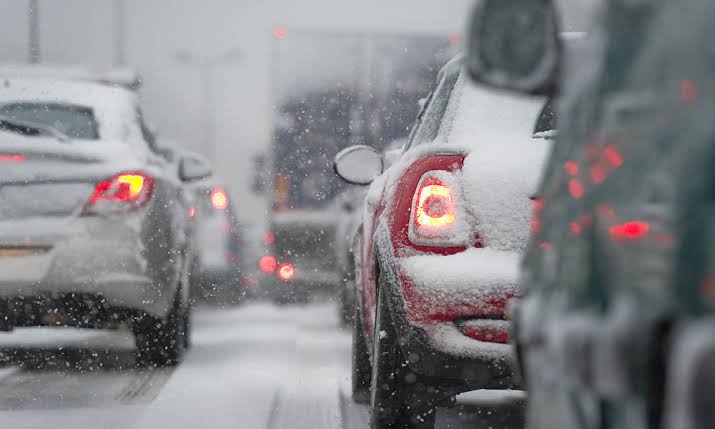
Cold weather has a way of exposing problems that a car managed to hide during warmer months. A battery that seemed fine in autumn may suddenly struggle to start the engine, slightly worn tires can become much less reassuring on wet or icy pavement, and neglected fluids may create problems just when reliability matters most. Preparing a vehicle for winter is therefore less about performing an enormous seasonal overhaul and more about identifying small weaknesses before lower temperatures make them worse.
Sometimes that inspection also raises a bigger question: is the vehicle still worth repairing? When an older car needs tires, a battery, brake work, and several mechanical fixes at the same time, the total can quickly become difficult to justify. At that point, comparing the cost of another round of repairs with what the vehicle may still be worth through http://www.byotautoparts.com/ can help put the decision into perspective. For some cars, the sensible choice is to make the repairs and keep driving; for others, winter simply reveals that the vehicle is nearing the end of its practical life.
Your Battery May Be the First Thing to Complain
Cold temperatures are particularly demanding on a car’s electrical system. The chemical reactions inside a battery slow as temperatures fall, reducing the amount of power available to start the engine. At the same time, colder engine oil can make the engine harder to turn over, creating an inconvenient combination: the battery has less power just as the vehicle may need more of it.
A battery test before winter can reveal declining performance before it leads to a no-start morning. Drivers should also pay attention to slower-than-normal cranking, dim headlights, intermittent electrical behavior, or warning lights. These symptoms do not automatically mean the battery must be replaced, since charging-system problems can produce similar signs, but they are worth investigating.
Battery terminals deserve attention as well. Corrosion or loose connections can interfere with electrical flow even when the battery itself still has useful life left.
Fluids Do More Work When Temperatures Fall
Engine oil, coolant, washer fluid, and other essential fluids all play a role in winter reliability. Oil needs to flow properly during cold starts, when much of the engine’s wear can occur. Using the viscosity recommended for the vehicle and expected temperatures helps ensure lubrication reaches important components quickly.
Coolant is equally important. It does more than help prevent overheating during summer. A properly maintained cooling system also protects the engine during freezing conditions. Low coolant, leaks, or an incorrect mixture can create trouble that may not become obvious until temperatures fall.
Washer fluid may seem far less important, but clear visibility can quickly become a safety issue when roads are dirty, wet, or covered with spray. A full reservoir and fluid suitable for colder weather can make everyday driving noticeably easier.
Tires Turn Small Problems Into Big Ones
Tire pressure usually decreases as outside temperatures drop. A tire that was already slightly underinflated can therefore move farther outside its recommended range once winter arrives. Incorrect pressure affects handling, tire wear, and fuel efficiency, so checking all four tires regularly is one of the simplest seasonal maintenance habits.
Tread condition matters just as much. Water, slush, and slippery surfaces leave less room for worn tires to compensate. Drivers should inspect tread depth and look for uneven wear, cracks, bulges, or other signs of damage.
Whether dedicated winter tires are necessary is a more individual decision. In consistently cold conditions, their softer rubber compounds and specialized tread patterns can improve traction compared with tires designed for broader year-round use. In milder climates where freezing conditions are uncommon, good-quality all-season tires may be sufficient. Driving habits, road conditions, vehicle type, and typical weather should all influence the decision.
Don’t Forget the Parts That Help You Stop
Winter preparation tends to focus heavily on starting the car, but stopping it safely matters even more. Brake pads, rotors, fluid, and other components should be inspected if there are signs of wear.
Squealing, grinding, vibration, a soft pedal, or changes in stopping performance deserve attention regardless of the season. Wet or slippery roads can increase stopping distances even when the braking system is working properly, so existing brake problems leave even less margin for error.
Suspension and steering components are worth considering at the same time. Worn shocks, damaged suspension parts, or poor wheel alignment can make a vehicle feel less stable, particularly when road conditions become unpredictable.
Clear Windows Are a Safety Feature
A heater might feel like a comfort feature until the windshield starts fogging. The heating and defrosting systems help maintain visibility when temperature differences cause moisture to form on glass.
Wiper blades should also move across the windshield smoothly without leaving large streaks or untouched areas. Rubber blades gradually harden and deteriorate, so a set that worked adequately during dry weather may perform poorly once winter rain, road spray, or frost becomes common.
Exterior lights deserve a quick inspection too. Shorter days mean more driving after dark, while poor weather can reduce visibility even in daylight. Headlights, brake lights, turn signals, and hazard lights should all function properly.
A Small Winter Kit Can Prevent a Long Day
Even a well-maintained car can experience a flat tire, dead battery, unexpected weather change, or roadside delay. Keeping a few useful items in the vehicle provides an extra layer of preparation.
A practical kit might contain jumper cables or a portable jump starter, a flashlight, basic first-aid supplies, warm clothing, gloves, a phone charger, drinking water, and simple tools. Depending on the weather a driver regularly encounters, an ice scraper, blanket, or traction aid may also be useful.
The goal is not to prepare for every imaginable emergency. It is simply to make common roadside problems easier and safer to manage.
Winter Maintenance Is Really About Knowing Your Car
The best time to discover a weak battery, worn tire, leaking cooling system, or struggling heater is before the weather becomes demanding. A seasonal inspection lets you address small problems while they are still manageable.
It can also provide a clearer picture of the vehicle overall. Sometimes a few routine maintenance items are all that stand between an older car and another dependable winter. In other cases, the inspection reveals that several expensive repairs are approaching at once.
Either way, knowing the vehicle’s condition makes the next decision easier. Winter preparation is not simply about spending money on every possible precaution. It is about understanding which maintenance matters, correcting genuine problems, and making sure the car is ready for the conditions it will actually face.
