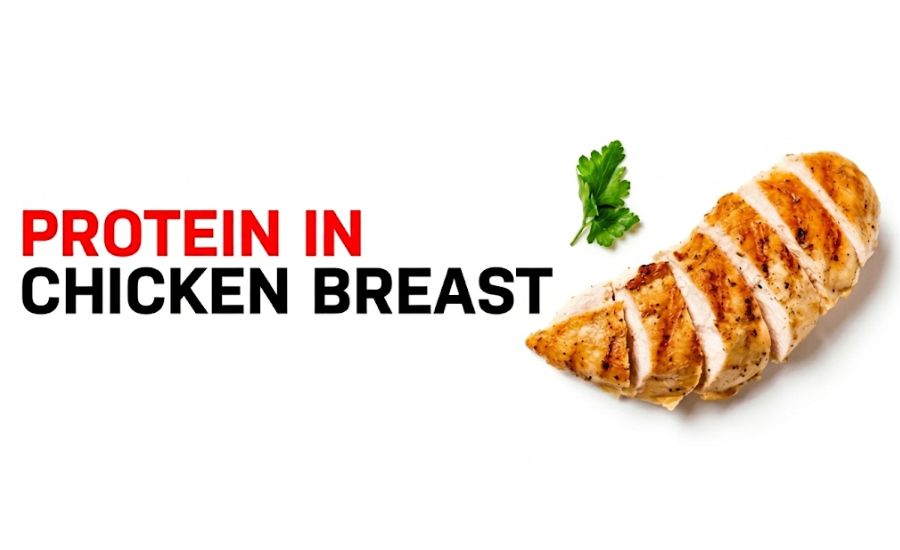
Chicken breast is one of the most popular protein foods in the world. It is affordable, easy to cook, widely available, and versatile enough to work in everything from salads and sandwiches to rice bowls and meal-prep recipes. But if you are tracking calories, trying to increase protein, or simply eating more mindfully, you may want to know exactly what you are getting from each serving.
The most important thing to understand about chicken breast nutrition facts is that the numbers can change depending on whether the chicken is raw or cooked, whether the skin is included, how large the portion is, and how it is prepared.
As a general reference, 100 grams of plain, cooked, skinless chicken breast provides approximately 165 calories, 31 grams of protein, 3.6 grams of fat, and almost zero carbohydrates.
That combination of high protein and relatively few calories explains why chicken breast is so commonly included in high-protein, weight-management, fitness, and everyday balanced diets.
Chicken Breast Nutrition Facts per 100 Grams
A 100-gram serving, which is about 3.5 ounces, is one of the easiest ways to compare chicken breast with other foods.
For approximately 100 grams of cooked, roasted, skinless chicken breast, you can expect:
- Calories: about 165
- Protein: about 31 grams
- Total fat: about 3.6 grams
- Carbohydrates: 0 grams
- Fiber: 0 grams
- Sugar: 0 grams
These figures refer to relatively plain chicken breast without breading, sugary sauces, large amounts of oil, or other calorie-containing ingredients. USDA FoodData Central provides nutrition databases for foods and is an appropriate reference when comparing specific forms and preparations of chicken.
The exact nutritional value of the chicken on your plate may differ slightly because chicken breasts vary in size, moisture content, trimming, brand, and preparation method.
How Many Calories Are in Chicken Breast?
One of the most common questions people ask is, how many calories are in chicken breast?
A 100-gram portion of cooked skinless chicken breast contains roughly 165 calories.
However, your serving may be larger than 100 grams.
For example, a cooked portion around 3 ounces will generally contain fewer calories, while a large chicken breast weighing 150 to 200 grams after cooking may provide considerably more.
This is why saying that “one chicken breast has X calories” is not always accurate. Chicken breasts do not come in one standard size.
If you are counting calories, weighing your portion gives you a much more useful estimate than simply logging “one chicken breast.”
You should also pay attention to preparation. A plain baked chicken breast and a breaded, fried chicken breast may have very different calorie totals even if the amount of chicken meat is similar.
How Much Protein Is in Chicken Breast?
Protein is probably the biggest reason chicken breast is so popular.
A 100-gram serving of cooked chicken breast provides around 31 grams of protein.
A typical 3-ounce cooked serving provides approximately 26 grams of protein, although the exact number varies with the product and cooking method.
Chicken protein is also considered a complete protein because it supplies the essential amino acids the body needs from food.
Protein plays many important roles in the body. It contributes to the maintenance and growth of muscle tissue, provides structural components for cells and tissues, and is involved in numerous biological processes.
You do not need to be a bodybuilder to benefit from adequate protein. Protein is an essential part of nutrition for adults with many different activity levels and health goals.
Does Chicken Breast Have Carbs?
Plain chicken breast is naturally extremely low in carbohydrates.
Cooked chicken breast without breading or carbohydrate-containing sauces generally contains 0 grams of carbohydrates per 100 grams.
The carbohydrate content changes when other ingredients are added.
For example, chicken prepared with breadcrumbs, flour coatings, sweet barbecue sauce, honey glaze, teriyaki sauce, or certain marinades can contain considerably more carbohydrates.
This distinction is particularly useful when reading restaurant nutrition information. The nutrition facts for “chicken breast” may actually represent a complete prepared item rather than plain chicken meat.
How Much Fat Is in Chicken Breast?
Skinless chicken breast is relatively lean.
Approximately 100 grams of cooked skinless breast meat contains around 3 to 4 grams of fat, depending on preparation and the specific nutrition database used.
Leaving the skin on increases the amount of fat and calories.
Cooking fat matters too. Chicken breast does not suddenly become unhealthy because you cook it with oil, but the oil contributes additional calories and fat that should be included if you are tracking your total intake.
For example, brushing chicken with a small amount of oil is very different from deep frying it in batter.
Raw vs Cooked Chicken Breast Nutrition
This is one of the most confusing parts of tracking chicken.
You may see approximately 120 calories for 100 grams of raw chicken breast on one nutrition label and around 165 calories for 100 grams of cooked chicken somewhere else.
That does not mean cooking magically creates calories.
Chicken loses water during cooking. As water evaporates, the finished chicken weighs less. Therefore, 100 grams of cooked chicken contains more actual chicken tissue and nutrients than 100 grams of the same product before cooking.
For example, a raw serving listed in one nutrition database provides about 136 calories and 25 grams of protein per 113 grams, while cooked values are more concentrated because of moisture loss.
For accurate food tracking, use one consistent approach.
If you weigh chicken raw, use nutrition information for raw chicken. If you weigh it after cooking, use nutrition information for cooked chicken.
Mixing raw weights with cooked nutrition data is one of the easiest ways to create inaccurate calorie and protein estimates.
Is Chicken Breast Good for Weight Loss?
Chicken breast can work well in a weight-loss diet because it provides a relatively large amount of protein without an unusually high calorie content.
That does not mean chicken breast itself causes weight loss.
Body weight changes depend on overall energy intake and expenditure over time. A person can gain weight while eating chicken breast if total calorie intake consistently exceeds their needs, just as chicken can fit comfortably into a calorie-controlled eating pattern.
Its practical advantage is its protein-to-calorie ratio.
High-protein foods can also make it easier to build meals around a substantial protein source while leaving room for vegetables, fruit, whole grains, potatoes, beans, healthy fats, and other foods.
How you cook the chicken matters as well. Plain baked, grilled, poached, roasted, pressure-cooked, or air-fried chicken generally makes calorie tracking easier than heavily breaded or deep-fried versions.
Is Chicken Breast Good for Building Muscle?
Chicken breast is widely used in muscle-building diets because it provides a concentrated source of high-quality protein.
Muscle growth, however, requires more than eating chicken.
Resistance training, sufficient total calories, adequate protein, recovery, sleep, and an overall balanced diet all matter.
Chicken breast is simply one convenient way to contribute toward daily protein intake.
You also do not need to get all of your protein from chicken. Eggs, dairy foods, fish, lean meat, beans, lentils, soy foods, and other protein sources can help create a more varied diet.
What Vitamins and Minerals Are in Chicken Breast?
Chicken breast is often discussed only in terms of calories and protein, but it also contains useful micronutrients.
Chicken provides B vitamins, including niacin, along with minerals such as phosphorus and other nutrients.
B vitamins are involved in normal energy metabolism and numerous cellular processes, while phosphorus contributes to functions including bone health and energy metabolism.
The exact micronutrient amounts vary according to portion size, cooking method, and whether you are looking at raw or cooked chicken.
This is another reason to think of chicken breast as more than simply “protein.”
Is Chicken Breast Healthy to Eat Every Day?
Chicken breast can be part of a healthy diet, but eating it every day is not necessary.
Variety has nutritional advantages.
Different protein foods provide different combinations of vitamins, minerals, fats, and other nutrients. Fish, for example, can provide omega-3 fatty acids, while legumes add protein together with fiber.
If you enjoy chicken frequently, consider changing the vegetables, grains, legumes, fruits, herbs, spices, and other foods served alongside it.
This gives your meals greater nutritional variety without requiring you to remove a food you enjoy.
Does Cooking Method Change Chicken Breast Nutrition?
Yes, but the biggest nutritional changes often come from ingredients added during cooking rather than the cooking process itself.
A plain chicken breast cooked through baking, grilling, roasting, poaching, or air frying can remain relatively lean.
Add breading, cheese, cream sauces, large quantities of oil, butter, or sugary marinades, and the calorie, fat, carbohydrate, sugar, or sodium content of the finished meal can increase.
For example, 100 grams of plain cooked chicken may provide around 165 calories, but 100 grams of fried or heavily breaded chicken should not be logged using the same nutrition entry.
Always track the food you actually eat, not the plain version you wish it resembled.
Chicken Breast With Skin vs Skinless Chicken Breast
Removing chicken skin generally reduces the fat and calorie content.
Skinless breast is therefore useful when someone wants a particularly lean source of protein.
Chicken with skin can still fit into a balanced diet, but it should not be treated as nutritionally identical to skinless breast.
The best choice depends on your personal preferences, total diet, calorie needs, and health goals.
How Much Chicken Breast Should You Eat?
There is no universal amount of chicken breast that everyone should eat.
The right serving depends on your total energy needs, protein requirements, body size, activity level, dietary pattern, appetite, and what else you are eating that day.
A common practical portion is approximately 3 to 4 ounces of cooked chicken, but larger or smaller portions can be appropriate.
Instead of asking how much chicken everyone should eat, a better question is: How much protein do I need from this meal, and what other foods am I eating with it?
That approach makes portion decisions much more personal and useful.
Frequently Asked Questions About Chicken Breast Nutrition
How many calories are in 100g of chicken breast?
About 165 calories is a commonly reported value for 100 grams of cooked, skinless chicken breast.
How much protein is in 100g of chicken breast?
Approximately 31 grams of protein can be found in 100 grams of cooked chicken breast.
Does chicken breast contain carbohydrates?
Plain chicken breast contains essentially zero carbohydrates. Breading, sauces, marinades, and other additions may introduce carbs.
Is chicken breast high in fat?
Skinless chicken breast is relatively lean, with roughly 3 to 4 grams of fat per 100 grams of cooked meat.
Why does cooked chicken have more calories per 100g than raw chicken?
Cooking removes water. Because cooked chicken weighs less after moisture is lost, nutrients and calories become more concentrated when compared gram for gram.
Is grilled chicken breast healthy?
Plain grilled chicken breast can be a lean source of protein. The complete nutritional profile depends on added oil, marinades, sauces, and accompanying foods.
Is chicken breast good for a high-protein diet?
Yes. With roughly 31 grams of protein per 100 grams cooked, chicken breast provides a high amount of protein relative to its calorie content.
Final Thoughts
Understanding Chicken Breast Nutrition Facts is easier once you separate portion size, cooking state, and preparation method.
For a useful starting point, 100 grams of cooked, skinless chicken breast provides approximately 165 calories, 31 grams of protein, 3.6 grams of fat, and virtually zero carbohydrates.
Those numbers can change depending on the chicken you buy and how you prepare it. Raw and cooked measurements should not be used interchangeably, chicken skin increases fat, and ingredients such as oil, breading, cheese, and sauces can substantially change the nutrition of the finished meal.
Rather than viewing chicken breast as a special “diet food,” it is more useful to see it for what it is: a convenient, versatile, protein-rich food that can fit into many different eating patterns. Pair it with vegetables, whole grains or other carbohydrate sources, healthy fats, and a variety of other protein foods to build meals that match your individual nutritional needs.
Bless Insight is dedicated to exploring the lives, journeys, and achievements of influential people, offering readers inspiration and valuable life lessons.
