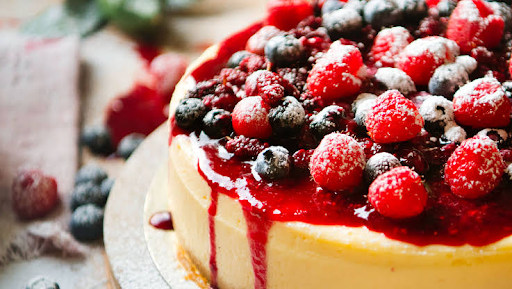
Fall celebrations often combine several moods: a warm birthday gathering, a family dinner, or an early holiday party. The right birthday cake should suit the occasion without losing sight of the person being celebrated. Use this birthday cake guide to balance flavor, appearance, portions, and practical details.
Match the birthday cake to the autumn celebration
An autumn party can be intimate and nostalgic or lively and crowded, so the cake needs to fit the setting. Before choosing a flavor or design, consider who is gathering and what the dessert needs to do. A little planning helps the cake feel intentional rather than like a decoration added at the last minute.
Distinguish birthdays, Thanksgiving gatherings, and holiday parties
A birthday cake should give the guest of honor a clear moment, even when the party shares space with Thanksgiving or another holiday gathering. For a birthday, personalized wording and favorite flavors may matter most; for a family dinner, a dessert that serves many people may be more useful. At a holiday party, a cake that complements other sweets can be festive without competing with the whole dessert table.
Think about the event’s purpose before settling on an autumn motif. A cake covered in pumpkins may suit a harvest party, while simple fall colors and a birthday message can work better when the celebration is primarily about one person.
Choose between a centerpiece cake and an easy-to-serve dessert
A tall layer cake makes a natural centerpiece and creates a memorable candle-lighting moment. It works especially well when the cake will be displayed before dinner or photographed. An easier-to-serve option, such as cupcakes or a sheet cake, is often preferable when guests will be standing, moving between rooms, or serving themselves.
The choice is also shaped by the table. If the cake is part of a formal meal, presentation may deserve more attention; if it is one item on a buffet, neat portions and simple serving matter more.
Reflect the guest of honor’s personality and age
The best cake says something about the person, not merely the season. A child might enjoy bright decorations, playful shapes, or a favorite theme, while an adult may prefer a restrained design with a familiar flavor and elegant finish. Interests, hobbies, colors, and favorite desserts can all guide the choice without requiring an elaborate custom sculpture.
For a more personalized celebration, Cakes D’ Sabores lists both adult birthday cakes and kids birthday cake options. Use those categories as a starting point, then decide whether the final cake should feel whimsical, classic, or somewhere between the two.
Coordinate the cake with the party theme and decorations
The cake does not have to repeat every decoration in the room. Instead, borrow one or two details, such as a ribbon color, a leaf shape, or a shade used in the table linens. This creates a cohesive look while leaving the cake enough visual space to remain the focus.
If the gathering has a strong theme, share it when you are planning the cake. A baker can often echo the mood through color and small accents rather than covering the entire dessert in seasonal symbols.
Choose fall-inspired birthday cake flavors
Fall flavors tend to be comforting and aromatic, but they can become heavy when several rich ingredients appear together. Start with a flavor the guest of honor already enjoys, then add one seasonal note. This approach keeps the birthday cake familiar enough for a group while still making it feel special.
Try classic combinations such as apple, cinnamon, and caramel
Apple, cinnamon, and caramel bring warmth without requiring an especially complicated design. Apple can add a fresh, lightly tart note, while cinnamon contributes fragrance and caramel supplies depth. Together, they suit a relaxed afternoon birthday or a dinner served with coffee.
Ask how these flavors will be distributed through the cake. Apple may appear in the cake or filling, while caramel can be used sparingly in a layer or drizzle so the result remains balanced rather than sugary.
Explore seasonal options with pumpkin, maple, or pecan
Pumpkin cake pairs naturally with warm spices and cream-based frostings. Maple adds a mellow sweetness, and pecan brings a toasted, nutty quality that works well in fillings or toppings. These flavors feel distinctly autumnal, though they do not need to be combined all at once.
Choose one leading flavor and one supporting flavor if the guest list is broad. A maple cake with a simple vanilla filling, for example, may appeal to more people than a dessert built around several intense seasonal ingredients.
Balance rich flavors with lighter fillings and frostings
Dense cake, caramel, nuts, and thick frosting can quickly make a slice feel overwhelming. A lighter filling, softly sweetened cream, or tangy frosting can create contrast and help guests enjoy dessert after a substantial meal. Texture matters as much as sweetness, especially when the cake includes crunchy toppings or fruit.
When discussing options with a bakery, describe the meal and the other desserts being served. That context makes it easier to choose a cake that contributes something different instead of repeating the richest flavors on the table.
Add familiar chocolate or vanilla options for mixed preferences
Not every guest wants a seasonal flavor, and there is no need to force the autumn theme into every bite. Chocolate and vanilla remain dependable choices for children, cautious eaters, and guests who are already enjoying spiced cider, pie, or other strongly flavored desserts.
A familiar base can still look seasonal through the decoration. Consider a chocolate cake with copper-colored accents or a vanilla cake finished with delicate leaf details. The result feels connected to fall while staying welcoming to mixed preferences.
Select the right cake style and decoration
Cake style affects serving, transport, cost, and the overall look of the party. A formal layer cake may be worth the display space, while a tray of cupcakes can make a busy gathering much easier. Choose the format before spending time on small decorative details.
Compare layer cakes, sheet cakes, cupcakes, and bundt cakes
Layer cakes offer height and a strong centerpiece effect, but they may require careful slicing and a stable place to sit. Sheet cakes are efficient for larger groups and can be decorated with a message or a simple border. Cupcakes make portions straightforward, while bundt cakes have a relaxed shape that suits coffee, brunch, and informal celebrations.
For a custom presentation, Cakes D’ Sabores also lists 3D Cake among its cake categories. A three-dimensional design can make sense when the shape is central to the theme, but a simpler format may be better if the priority is easy service.
Use autumn colors without making the design feel overly seasonal
Burnt orange, cranberry, mustard, deep green, and warm brown can suggest fall immediately. You can soften them with cream, pale pink, white, or a muted blue, depending on the party palette. Limiting the design to two or three main colors usually keeps it polished.
Color also gives you a way to mark the season without committing to a pumpkin or leaf-covered cake. A smooth finish with a few autumn-toned details can transition comfortably from a birthday afternoon into an evening holiday gathering.
Add festive details such as leaves, acorns, pumpkins, or spices
Small details can carry the theme more gracefully than a crowded surface. Sugar leaves, tiny acorns, a few pumpkin shapes, or a sprinkle of warm spices can add texture and recognition. Make sure decorative pieces are edible or clearly separated from the portions being served.
Consider the cake’s flavor when choosing details. Spiced decorations suit pumpkin or apple cake, while a restrained leaf pattern may be a better match for chocolate or vanilla. The design should support the flavor rather than promise something the cake does not contain.
Decide when a custom design is worth the extra cost
Custom work is most useful when the cake needs to express a specific person, theme, or milestone. It may be worthwhile for a child’s favorite character, a distinctive hobby, or a party where the cake is the main visual feature. It is less necessary when a simple message and coordinated colors will achieve the desired effect.
Before committing, separate the elements that matter from those that are merely attractive. A custom shape, multiple tiers, intricate figures, or detailed handwork can affect the price and planning time, so prioritize the feature guests will actually notice.
Plan the cake size and serving format
Cake planning is easier when you estimate portions before choosing the design. Guest numbers are only the beginning; meal timing, dessert variety, and the likelihood of seconds all affect how much you need. A generous estimate is usually preferable when the cake is the only dessert.
Estimate portions for birthdays and larger holiday gatherings
For a small birthday, a modest cake may be enough, particularly if dinner is followed by fruit or ice cream. Larger holiday gatherings call for a more careful count, especially when guests may arrive in waves or when the cake will be served alongside several dishes. Ask the bakery how its advertised size translates into practical portions.
Serving style matters as well. A narrow celebration slice and a generous dessert slice are not the same, and a cake intended for both children and adults may need a little extra room.
Account for children, adults, and guests who may want seconds
Children often take smaller portions, while adults may prefer a fuller slice. Some guests will skip cake, but others may come back for seconds if the flavor is especially popular. If the party runs for several hours, plan for an additional cushion rather than counting only the confirmed guests.
A mixed dessert table changes the calculation. When pie, cookies, or fruit are available, guests may choose smaller cake portions, but a birthday cake still needs to provide enough for the candle ceremony and the people who came primarily for cake.
Choose individual servings for casual or buffet-style parties
Cupcakes and other individual portions work well when the event is casual or guests will be eating while mingling. They reduce the need for a serving knife and make it easier to offer more than one flavor. They can also simplify portion control for children.
For a buffet, place individual desserts where guests can reach them without crossing the cake display. Even a simple arrangement feels more organized when the serving flow has been considered in advance.
Pair the cake with ice cream, fruit, or other seasonal desserts
A cake can be the centerpiece without carrying the entire dessert menu. Vanilla ice cream can soften a spiced cake, sliced pears or apples can add freshness, and small cookies can give guests another portion size. Coffee, tea, and warm cider also make natural companions for autumn flavors.
Keep the pairings in proportion to the cake. If several desserts are offered, a balanced birthday cake with a clear flavor may work better than another very rich option.
Accommodate dietary needs and guest preferences
Dietary planning should happen early, not when the cake is already being cut. Ask guests about restrictions discreetly and confirm what they can safely eat. A considerate plan may involve one adapted cake, separate portions, or a second dessert rather than a compromise that nobody enjoys.
Find reliable gluten-free, dairy-free, and vegan cake options
A label alone is not enough when an allergy or strict dietary practice is involved. Ask about ingredients, preparation areas, substitutions, and the risk of cross-contact. Gluten-free, dairy-free, and vegan cakes can vary widely in texture, so request a description of the finished cake before ordering.
If the group has several needs, it may be simpler to choose a naturally suitable dessert for everyone. Otherwise, keep the adapted item clearly separate and make sure the person it is intended for knows which serving is theirs.
Check for common allergens in cake, fillings, and decorations
Nuts, eggs, dairy, wheat, soy, and sesame may appear in the cake itself or in fillings, frostings, toppings, and decorative pieces. Even a cake that seems plain can contain an unexpected ingredient in its frosting or garnish. Read the full ingredient information and ask direct questions when details are unclear.
Do not assume that removing a visible topping removes the allergen. A separate preparation process may be necessary, and guests with serious allergies should be given enough information to make their own safe decision.
Keep flavor and texture enjoyable for everyone
An adapted cake should still feel like a celebration. Moisture, sweetness, and structure are especially important because some substitutions can make cake dense or crumbly. Choose a flavor with broad appeal and use fruit, spices, or a smooth frosting to add character.
You can also provide two complementary options instead of asking one cake to satisfy every preference. A small dietary-friendly cake alongside a traditional birthday cake may be the most welcoming solution for a large group.
Label ingredients clearly when serving a large group
Place a short card beside each dessert with the flavor and relevant dietary information. Include major allergens and avoid vague labels such as “healthy” or “free-from” unless they are accurate and explained. If serving utensils are shared, provide separate ones for items with different ingredient profiles.
Clear labels help guests choose confidently and reduce repeated questions during a busy party. They also make it easier for hosts to explain which desserts are appropriate without guessing.
Decide whether to bake or order the birthday cake
The choice between baking and ordering depends on more than confidence in the kitchen. Consider the event schedule, oven space, storage, transport, and the amount of attention the design requires. Thishow to choose a birthday cake approach begins with what will make the celebration calmer, not simply what appears cheapest.
Consider your time, baking experience, and party schedule
Homemade cake can be meaningful, but it takes time to shop, bake, cool, fill, frost, and decorate. Holiday weeks add errands and competing commitments, and a cake that needs several stages may become stressful. If you bake, choose a recipe and design you can complete comfortably before guests arrive.
Ordering may leave more time for cooking, decorating, and welcoming people. The best decision is the one that protects the host’s energy while still giving the guest of honor a dessert they will enjoy.
Compare bakery cakes, grocery store cakes, and homemade options
A bakery may offer more specialized decoration and flavor guidance, while a grocery store cake can be convenient for a short-notice gathering. Homemade cake allows complete control over ingredients and personal touches. Compare the full cost, including supplies, time, delivery or pickup, and the risk of a last-minute problem.
Cakes D’ Sabores presents categories including adult birthday cakes, kids birthday cake, and Cookies/Desserts. When comparing options, look beyond the display image and confirm size, flavor, lead time, and any dietary details that matter to your guests.
Share the right details when ordering a custom cake
Give the baker the event date, number of servings, preferred flavor, color palette, wording, and any reference for the design. Mention allergies and dietary requirements at the start, not after the order is confirmed. It also helps to explain where the cake will be displayed and whether it must travel far.
Be specific about what is essential. If the exact decoration is flexible, say so; if the message, shape, or flavor must be precise, identify that priority clearly. Good details make the conversation more productive.
Review pickup, delivery, and holiday availability
Autumn weekends and holiday dates can fill quickly, so ask about availability before settling on a design. Confirm the pickup window, delivery address, contact process, and what happens if weather or traffic causes a delay. Leave enough time for setup rather than scheduling arrival at the moment guests walk in.
For a custom cake, confirm the order details in writing. A final review of date, size, flavor, inscription, and decorations can prevent avoidable surprises.
Keep the cake fresh and party-ready
A beautiful cake still needs a practical finishing plan. Timing, temperature, and transport can affect frosting, fruit, cream fillings, and delicate decorations. Treat the cake as a perishable centerpiece and decide where it will sit before bringing it home.
Order or bake at the right time before the event
Many cakes can be prepared ahead, but the ideal timing depends on the recipe, filling, frosting, and decoration. Ask the bakery when the cake will be at its best and whether it should be refrigerated. If baking at home, allow time for the cake to cool fully before frosting and for the finished dessert to settle.
Avoid leaving the most delicate work until party day if the schedule is already crowded. A simple final touch is easier to manage than an entire decorating project between cooking and greeting guests.
Store cakes with frosting, fresh fruit, or cream fillings safely
Storage instructions vary, particularly for cakes containing fresh fruit, whipped cream, custard, or cream cheese frosting. Follow the baker’s guidance and use a refrigerator when required. Keep the cake covered so it does not absorb nearby odors or dry out.
Before serving, allow the cake to sit out only as long as is appropriate for its ingredients and the room temperature. When uncertain, ask the bakery rather than relying on the appearance of the frosting.
Transport the cake without damaging decorations
Keep the cake level on a flat surface, ideally in a box that fits snugly enough to prevent sliding. A cool vehicle is helpful, but do not place the box where it can tip, and avoid holding it loosely on a lap during a sudden stop. Drive gently and carry the box from underneath.
Plan the route before pickup and take the cake directly to its storage or display location. Delicate toppers, tall layers, and soft frosting are much easier to protect when the trip is short and steady.
Add candles and final touches just before serving
Insert candles shortly before the celebration so they do not lean or leave marks in the frosting. Add toppers, powdered sugar, fruit, or a final drizzle at the last practical moment if those details could soften or shift. Keep matches, a lighter, a serving knife, and a cake server nearby.
Photograph the cake before cutting if the design is part of the celebration. Then serve it while the texture and temperature are at their best, giving the guest of honor the moment the whole plan was built around.
Make Your Cake Plans Personal
If you are ready to move from ideas to an order, use thecustom order form to share the date, size, flavor, and design details with Cakes D’ Sabores. A clear request makes it easier to plan a birthday cake that fits the people, place, and feeling of your autumn celebration.
Frequently Asked Questions
What flavor works best for a fall birthday cake?
Apple, cinnamon, caramel, pumpkin, maple, and pecan are popular autumn directions, but chocolate and vanilla are often safer for groups with mixed preferences. Choose one seasonal flavor and balance it with a lighter filling or familiar frosting.
How far in advance should I order a custom birthday cake?
Ask the bakery about its lead time as soon as you know the event date. Custom shapes, detailed decorations, dietary accommodations, and holiday weekends may require more notice than a ready-made cake.
Is a sheet cake better than a layer cake for a large party?
A sheet cake is usually easier to portion and serve to a crowd, while a layer cake creates more height and visual impact. The better choice depends on whether convenience or centerpiece presentation matters more.
How can I make a cake look autumnal without using pumpkins?
Use a restrained fall palette such as copper, cranberry, cream, or deep green. Leaf shapes, textured frosting, a subtle spice theme, or a seasonal ribbon can suggest autumn without making the design feel like a holiday centerpiece.
How do I handle guests with food allergies?
Ask the baker about ingredients and cross-contact in the cake, fillings, frosting, and decorations. Label desserts clearly, use separate serving utensils when appropriate, and give guests enough information to decide what is safe for them.
Should a birthday cake be refrigerated?
Cakes with fresh fruit, whipped cream, custard, or some cream-based frostings commonly need refrigeration, but storage depends on the recipe. Follow the baker’s instructions and ask before pickup if the guidance is not clear.
What should I bring when picking up a cake?
Bring a level, stable surface in the vehicle and make sure the box will not slide or tip. Plan a direct trip, keep the cake cool when advised, and have a safe place ready for storage or display when you arrive.
