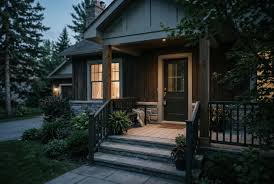
You booked a place to relax, visit family, or save money on a trip. You did not expect a broken stair, a loose balcony rail, bad lighting, a missing smoke alarm, or a pool with no gate. After an injury, the stress hits fast, and vacation rental injury lawyers in Miami can help you understand your options. You may be dealing with pain, medical bills, missed work, and a host who suddenly stops being helpful. That whiplash is real.
If you were hurt because a short-term rental was not reasonably safe, you may have the right to bring a claim against the host or another responsible party. In Florida, these cases often turn on basic premises liability rules. The key question is usually whether the property owner or operator knew, or should have known, about a dangerous condition and failed to fix it or warn you. Can you sue an Airbnb host for unsafe property conditions in Florida? In many cases, yes, if the facts show negligence and your injury came from that unsafe condition.
Unsafe Airbnb property conditions can create a valid injury claim
A vacation rental is still property that must be kept in reasonably safe condition for guests. That includes entryways, stairs, railings, decks, bathrooms, pools, electrical systems, smoke detectors, locks, and other features a guest would normally use. Florida regulates public lodging establishments under Chapter 509 of the Florida Statutes, and those rules can matter when a rental operates like a lodging business.
The hard part is that not every injury means you have a case. If you slipped because you ran on a wet patio after a storm, liability may be harder to prove. If the host knew the patio tiles were cracked and slick, ignored prior complaints, and gave no warning, the picture changes. The same goes for exposed wiring, broken handrails, unstable bunk beds, missing pool barriers, or mold problems that trigger illness.
This is where people get stuck. The host may say they had no idea. The platform may point to its terms. An insurer may suggest you were just careless. Meanwhile, the injury keeps affecting your daily life. You might be unable to drive, work your shift, lift your child, or sleep through the night. A claim is not only about a dangerous property. It is about what that danger has now cost you.
Liability for a short-term rental injury depends on control, notice, and proof
An Airbnb injury lawsuit usually depends on who controlled the property and who had notice of the problem. In some cases, the host is the obvious defendant because they owned the unit and handled maintenance. In others, a property manager, cleaning company, landlord, homeowners association, or repair contractor may share fault.
Notice matters because Florida negligence claims often require proof that the person responsible knew or should have known about the hazard. A host cannot ignore repeated guest complaints about a collapsing step and then act surprised when someone falls. Photos, messages in the app, maintenance records, inspection reports, and witness statements often become central evidence.
Timing matters too. Dangerous conditions disappear fast. A host may repair the problem the same day. Security footage can be overwritten. Listings can change. If you wait too long, the facts get harder to prove. That does not mean you need to panic. It means you need to preserve what you can while the details are still clear.
Florida injury claims involving vacation rentals often include more than one source of recovery
Many people assume the only issue is whether the host has money. That is rarely the full picture. There may be homeowners insurance, commercial liability coverage, umbrella coverage, or platform-related protections that come into play depending on the facts. A vacation rental injury claim can also include medical expenses, lost income, pain and suffering, and other damages tied to the injury.
What if the danger was not obvious? That can strengthen your case. Guests are not expected to inspect a rental like a building expert before using the shower, stairs, or balcony. What if the host gave a warning? A small warning can help them, but it does not erase liability if the condition was still unreasonably dangerous and should have been fixed.
| Issue | Stronger Claim | Weaker Claim |
|---|---|---|
| Hazard | Broken rail, exposed wire, missing smoke alarm, unguarded pool | Open and obvious condition with no defect |
| Notice | Prior guest complaints, repair requests, visible long-term damage | No sign the host knew or should have known |
| Evidence | Photos, messages, witness names, medical records, incident report | No photos, no documentation, delayed treatment |
| Injury link | Medical records connect the fall or exposure to the injury | Preexisting condition with no clear aggravation proof |
| Damages | ER visit, surgery, missed work, lasting pain | Minor soreness with no treatment |
Three steps can protect your health and your legal options
1. Get medical care and follow through. Your health comes first, and medical records help connect the unsafe condition to your injury. Tell the provider how the incident happened. If you wait days or weeks, insurers often use that gap against you.
2. Preserve the scene and every message. Take photos and video of the hazard, the surrounding area, your injuries, and anything that shows poor maintenance. Save app messages, texts, emails, booking details, receipts, and names of witnesses. Report the problem through the platform. If you want to file a state complaint about lodging conditions, Florida provides an online complaint process for lodging issues.
3. Speak with a personal injury lawyer before giving detailed statements. A lawyer can identify who may be liable, what insurance may apply, and what evidence needs to be secured quickly. This is especially helpful when more than one party may share fault or when the host disputes what happened.
Unsafe property conditions should not become your burden alone
You should not have to absorb the cost of someone else ignoring a dangerous rental condition. If a host failed to keep the property reasonably safe and you were hurt, the law may give you a path to recover what you lost. A personal injury lawyer can assess the facts, explain whether negligence is likely, and help you move forward with more clarity and less pressure. If you are dealing with an injury after a short-term rental stay, get legal guidance as soon as you can.
