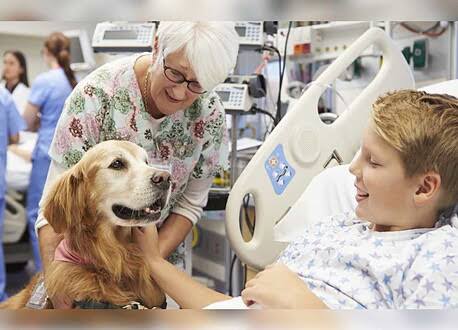
You count on an animal hospital when your pet is sick, injured, or acting unlike themselves, and a veterinarian in South Houston, TX can help make sure they get the care they need. What often gets missed is how much that care reaches beyond one dog, cat, rabbit, or bird. The work done inside an animal hospital protects your household, your neighborhood, the food supply, and the wider community. When infections are caught early, vaccines are kept current, and medications are used the right way, risks stay smaller for everyone.
That matters because the line between animal health and human health is thin. A coughing dog at the park, a cat with a skin infection, or a farm animal carrying drug resistant bacteria can affect more than one home. How Animal Hospitals Contribute To Public Health And Safety comes down to prevention, early detection, education, and responsible treatment. Good veterinary care is not only pet care. It is community protection.
Animal hospitals reduce public health risks before they spread
You may think of a veterinary visit as a private matter between you and your pet. In practice, every exam can help stop a larger problem. Animal hospitals screen for contagious illness, identify parasites, report certain diseases, and guide owners on safe handling at home. That can lower the chance of people getting sick from zoonotic diseases, which are illnesses that pass between animals and humans.
Rabies is the clearest example because the stakes are so high. Routine vaccination and prompt follow up after bites protect both animals and people. The same logic applies to leptospirosis, ringworm, salmonella, and intestinal parasites. A pet that seems only mildly unwell can still expose children, older adults, or anyone with a weaker immune system. When an animal hospital diagnoses the issue early and gives clear instructions, the chain of spread often stops there.
This is one of the strongest examples of the role of veterinary hospitals in community health. The benefit is not abstract. It shows up in fewer outbreaks, safer homes, and faster treatment when something serious appears.
Responsible antibiotic use in animal hospitals protects people and pets
One of the biggest public health concerns tied to animal care is antimicrobial resistance. You have probably seen the pattern before. A pet gets an infection, antibiotics are prescribed, symptoms improve, and the pressure to move on is strong. The danger comes when antibiotics are used when they are not needed, the wrong drug is chosen, or the full course is not followed. Bacteria adapt, and treatment gets harder over time.
Animal hospitals help prevent that by testing when needed, choosing targeted treatment, and avoiding automatic prescriptions. This protects your pet now and helps preserve the drugs that both human and veterinary medicine rely on. The FDA explains the risk clearly in its guidance on antimicrobial resistance in animals and veterinary care. The USDA has also outlined national priorities in its antimicrobial resistance action plan, which shows how animal health systems fit into the larger public health response.
This is where a simple visit to an animal hospital carries more weight than most people realize. Careful prescribing is not just good medicine. It is a public safety measure.
Veterinary hospitals support disease surveillance and emergency response
Animal hospitals are often among the first places where unusual illness patterns show up. A cluster of dogs with severe respiratory symptoms, several cats from one area with the same parasite, or livestock with signs of a reportable disease can alert public health agencies to a larger issue. That early signal matters. Fast reporting can limit spread, guide testing, and shape local response plans.
In disasters, this role gets even more practical. Floods, wildfires, and severe storms displace animals, interrupt vaccination schedules, and increase the risk of bites, contamination, and stress related disease. Animal hospitals help with triage, wound care, infection control, and owner guidance. They also support reunification, which lowers the number of stray or unvaccinated animals moving through a community after an emergency.
Veterinary public health services are part of the same safety net that families rely on during unstable moments. You feel that impact when clear advice replaces panic and when local systems are ready to respond.
Daily veterinary care creates safer homes and neighborhoods
Public health is not only about outbreaks. It is built through routine habits. Wellness exams, parasite prevention, spay and neuter counseling, dental care, nutrition support, and behavior guidance all reduce risk in ordinary life. A pet in pain may be more likely to bite. Untreated fleas and ticks can spread disease. A preventable litter can add to stray animal populations, which raises concerns for traffic safety, bites, and disease control.
Animal hospitals also teach owners what to watch for and what to do next. That guidance is easy to underestimate until you need it. If your child is scratched by a cat with an untreated infection, or your dog has diarrhea after boarding, quick advice on isolation, cleaning, and follow up can keep one problem from becoming five.
Public health benefits compared with delayed or inconsistent care
| Situation | With regular animal hospital care | With delayed or inconsistent care |
|---|---|---|
| Vaccination status | Lower risk of rabies and other preventable disease spread | Higher exposure risk for pets, people, and other animals |
| Parasite control | Reduced fleas, ticks, worms, and household contamination | Greater risk of transmission in homes and public spaces |
| Antibiotic use | More targeted treatment and less pressure for resistance | More misuse, treatment failure, and resistant infections |
| Early disease detection | Faster diagnosis, reporting, and isolation if needed | More spread before the problem is recognized |
| Behavior and bite prevention | Pain, fear, and illness addressed before escalation | Higher chance of injury to family members or the public |
Simple steps you can take to support public health through pet care
Stay current on preventive care. Schedule routine exams, vaccines, and parasite prevention on time. If your pet seems healthy, that is exactly when prevention works best.
Use medications exactly as prescribed. Do not share leftover antibiotics, stop early, or ask for them when a vet says they are not needed. If symptoms change, call and ask what to do next.
Report changes early and follow home safety guidance. Coughing, vomiting, diarrhea, skin lesions, sudden aggression, or exposure to wildlife should not wait. Clean shared surfaces, limit contact when advised, and keep children away from a sick pet until you know what you are dealing with.
Animal hospitals protect more than pets. They help keep homes safer, slow the spread of disease, and support the public systems people depend on when health threats appear. If your pet is due for care, schedule a visit and keep that protection working where it starts, at home.
