Bed bugs are the souvenir nobody wants. They do not care how clean a hotel is, how many stars it has or which country it is in. They travel in luggage, settle quietly into bedrooms, and once established they are among the most difficult household pests to remove. The best strategy by far is to stop them at the border of your own front door.
If prevention fails and you discover bites or live insects at home, speed matters more than anything else. A small, fresh introduction is far easier to treat than an infestation that has had months to spread through the bedroom. In that situation, contact a company offering rask skadedyrhjelp, fast professional pest help, so treatment can start before the bugs establish themselves in furniture and wall cavities.
Check the room before you unpack
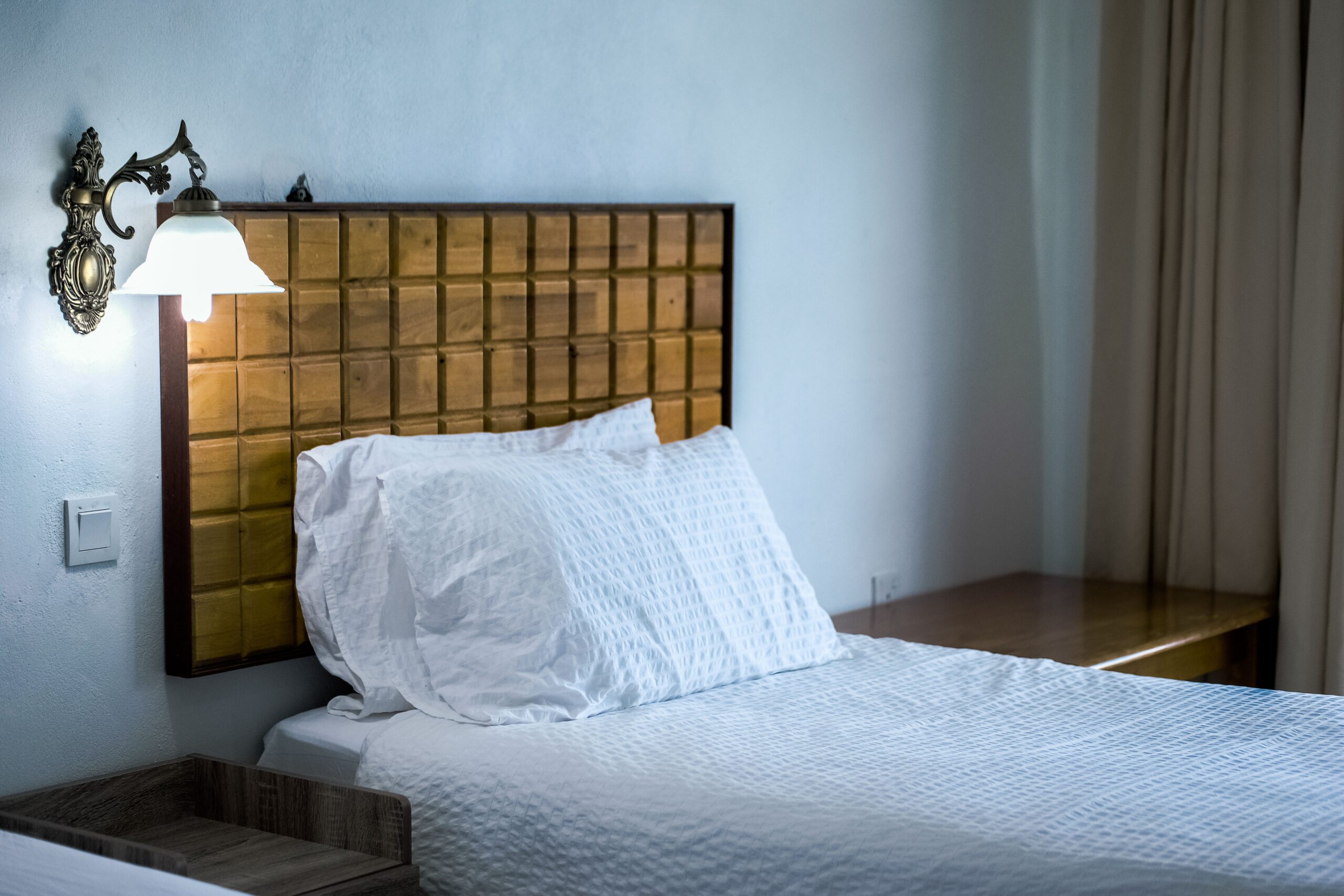
Make it a habit in every hotel, hostel or rental apartment. Place your suitcase in the bathroom or on the luggage rack, never on the bed or carpet, and spend two minutes inspecting the bed. Pull back the sheets and look along the mattress seams, behind the headboard and around the bed frame for small rust-coloured stains, dark spots or the insects themselves, which are flat, brown and roughly the size of an apple seed. If you find anything suspicious, ask for another room in a different part of the building.
Smart luggage habits while travelling
Keep the suitcase closed when you are not using it, and keep clothes in the case or on hangers rather than in hotel drawers. Hard-shell suitcases give bed bugs fewer seams and folds to hide in. Avoid placing bags on soft surfaces on buses, trains and in airport lounges where many other travellers’ luggage has rested.
Coming home: unpack with a system
Unpack on a hard floor, ideally in the hallway or bathroom rather than the bedroom. Put all clothing straight into the washing machine and wash at sixty degrees, since heat reliably kills both insects and eggs. Items that cannot be washed hot can go in the tumble dryer on a hot cycle or into the freezer for several days. Vacuum the empty suitcase thoroughly, including the seams, and store it away from the bedroom, for example in the garage or loft.
Be careful with secondhand furniture
Travel is not the only route into a home. Used beds, mattresses, sofas and upholstered chairs are a well-known source of bed bug introductions, and a bargain from an online marketplace can turn expensive quickly. Inspect any secondhand textile furniture thoroughly in good light before it crosses your threshold, paying attention to seams, joints, screw holes and the underside of the frame. If an item cannot be inspected properly, think twice, and never pick up a mattress or sofa that someone has left by the roadside.
If you find them anyway
Do not start spraying over-the-counter insecticides around the bed. It rarely solves the problem and often scatters the bugs into neighbouring rooms, making professional treatment harder. Do not throw the mattress out through the house either, as that spreads insects along the way. Instead, isolate the affected room as far as possible, bag the bedding for hot washing, and get a professional inspection quickly.
The bed bug has rebounded worldwide in recent decades largely because of the growth in international travel. You cannot control the hotels you sleep in, but you can control your routines. A few careful habits on every trip cost minutes and can spare you one of the most stressful pest problems a home can have.
