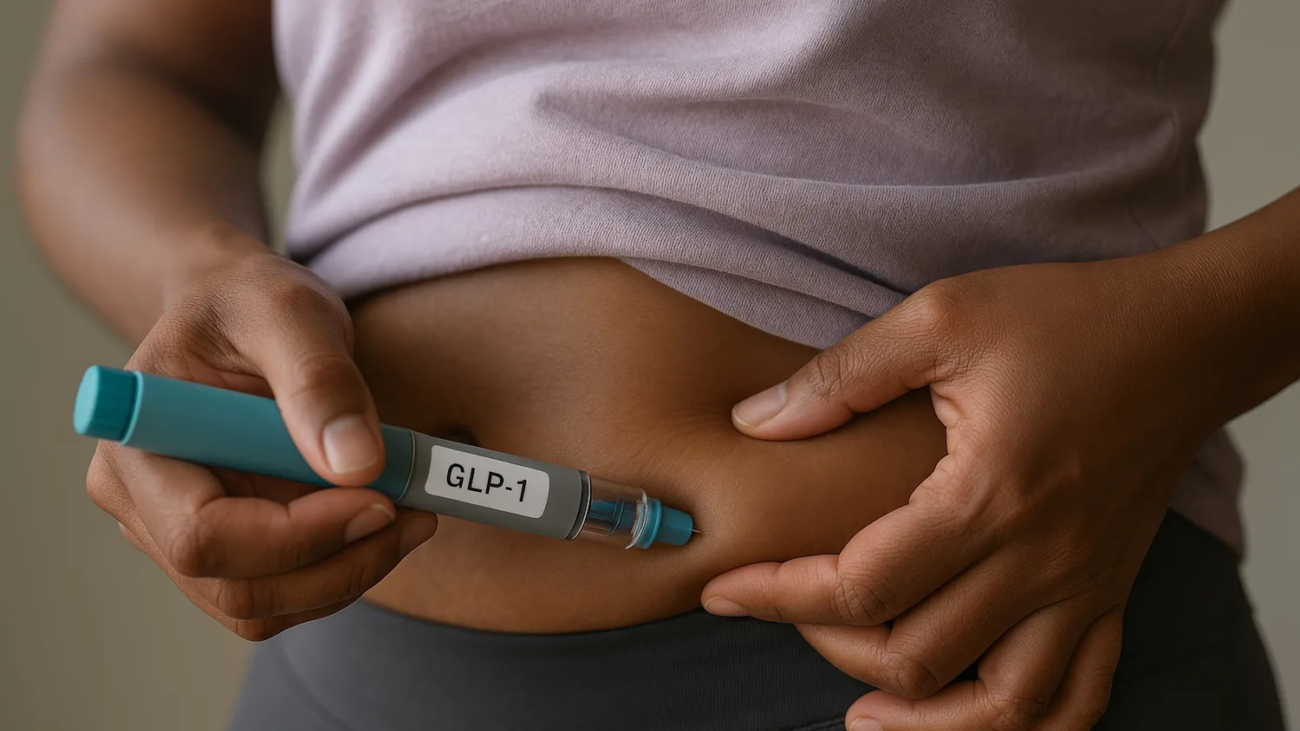
GLP-1 medications like Zepbound (tirzepatide) and Wegovy (semaglutide) have list prices north of $1,000 a month — a number almost nobody actually pays anymore. In 2026, most people getting these medications without generous insurance coverage end up on one of two paths: a manufacturer savings card or self-pay program run by Eli Lilly or Novo Nordisk, or a flat-rate telehealth membership that bundles the prescription, medical oversight, and ongoing support into one monthly price.
Which one is actually cheaper depends almost entirely on your insurance situation — and the fine print matters more than the headline numbers. This guide breaks down the real 2026 costs of both routes, who qualifies for what, and how to get started with each.
The Short Answer
- If you have commercial insurance that covers Zepbound or Wegovy: the manufacturer savings card is nearly always the cheapest option — as little as $25 per fill. Use it.
- If you’re uninsured, your plan excludes weight-loss drugs, or you’re on Medicare or Medicaid: the savings card’s best discounts don’t apply to you. You’re comparing manufacturer self-pay prices ($299–$499+/month for the medication alone, before any doctor visits) against flat-rate telehealth programs (roughly $159–$300/month depending on the program and what’s included).
- Either way, you still need a prescription — savings cards and self-pay pharmacies don’t diagnose or prescribe. That’s where telehealth comes in even for people who use a manufacturer program.
Let’s look at each path in detail.
Option 1: Manufacturer Savings Cards — Great If You Qualify
The Zepbound savings card
Eli Lilly’s Zepbound savings card advertises a price of as little as $25 for a one-, two-, or three-month fill — but only for patients who have commercial insurance that already covers Zepbound. The card caps savings at $100 per month ($1,300 per calendar year, maximum 13 fills), and it expires December 31, 2026, subject to renewal.
The exclusions are where most people fall out:
- No government insurance. Medicare, Medicaid, TRICARE, and VA beneficiaries are ineligible — this is standard for manufacturer copay cards.
- No coverage, smaller discount. If your commercial plan doesn’t cover Zepbound, the card historically knocked the price down to roughly $499/month rather than $25 — helpful, but a very different deal.
- Coverage must be verified. Prior authorizations and plan-by-plan formulary rules still apply.
The Wegovy self-pay offer
Novo Nordisk runs its pricing through NovoCare Pharmacy, where self-pay patients currently get Wegovy injections for $349 per month at standard doses (the 7.2 mg high dose runs $399), with an introductory offer of $199 per month for the first two fills for new patients through the end of 2026. The newer Wegovy tablets are listed at $149–$199 per month.
Lilly’s self-pay prices (no insurance required)
In March 2026, Lilly expanded self-pay access to the Zepbound KwikPen at major retail pharmacies and through LillyDirect home delivery. Current self-pay pricing on Lilly’s savings page starts at $299/month for the 2.5 mg starting dose, rising to $399–$449/month for higher doses through its self-pay program (regular self-pay rates on the highest doses run up to $699).
The catch that surprises people: none of these prices include the doctor. Manufacturer programs are pharmacy pricing — you still have to obtain a valid prescription first, plus any follow-up visits for dose changes, side-effect management, and refills. If you don’t have a prescriber who handles weight management, that’s an added cost and an added step every single month you stay on the medication.
Option 2: Flat-Rate Telehealth Memberships — One Price, Prescription Included
The alternative model bundles everything into a subscription: an online medical evaluation by a licensed clinician, the prescription (if you qualify), ongoing check-ins, and often extras like connected devices or coaching — for one flat monthly rate.
This category grew up fast during the GLP-1 boom, and quality varies widely. A few things separate legitimate programs from the sketchy corners of the market:
- Real prescribers. A licensed physician or nurse practitioner should review your health history and actually decide whether a GLP-1 is appropriate — not a checkout form that “approves” everyone.
- FDA-approved medication. After the FDA declared the tirzepatide and semaglutide shortages resolved in 2025, mass-compounded copies lost their legal basis, and the agency has warned about dosing errors and unverified ingredients in some compounded products. Programs prescribing brand-name, FDA-approved medications avoid that risk entirely.
- Transparent flat pricing. The better programs publish one number and stick to it, rather than layering “provider fees,” “membership fees,” and per-visit charges.
Pricing across reputable programs generally lands between $99 and $300 per month for the program itself. At the affordable end of the doctor-prescribed, brand-name category, Strida runs a telehealth weight-loss program with flat-rate pricing from $159/month, covering prescriptions for FDA-approved GLP-1s like Wegovy (semaglutide) and Zepbound (tirzepatide) written by licensed physicians, alongside a connected-health setup that includes a smart scale for tracking progress between visits. Larger names like Ro, Noom Med, and WeightWatchers Clinic offer comparable clinical services, typically at membership prices in the $99–$249 range before medication costs — so it’s worth reading carefully whether a program’s price includes access to the medication pathway or just the visits.
Side-by-Side: What You’d Actually Pay in 2026
| Route | Monthly cost | Prescription included? | Who it’s for |
| Zepbound savings card (covered commercial insurance) | As little as $25/fill | No — you need your own prescriber | Insured patients whose plan covers Zepbound |
| Zepbound KwikPen self-pay (LillyDirect/retail) | $299–$449+ | No | Self-pay patients who already have a prescriber |
| Wegovy via NovoCare self-pay | $349 ($199 intro, first 2 fills) | No | Self-pay patients who already have a prescriber |
| Flat-rate telehealth program (e.g., Strida at $159/mo) | From ~$159 | Yes — evaluation, prescription, and follow-up bundled | Uninsured or not-covered patients who want one price and one process |
A realistic comparison for an uninsured patient: the manufacturer self-pay route costs $299–$449/month for medication plus whatever a prescriber charges for the initial visit and ongoing management. A flat-rate membership consolidates the clinical side into a single predictable subscription. Which total comes out lower depends on the specific program, your dose, and how much clinical support you end up needing — but the membership model’s real advantage is predictability: no coupon expirations, no annual savings caps, no re-verifying insurance every January.
How to Decide in Three Steps
Step 1: Check your insurance first. Call the number on your card or check your plan’s formulary for Zepbound and Wegovy. If either is covered, the $25 savings card path almost certainly wins on price. Roughly half of large employer plans now cover GLP-1s for weight loss, per KFF’s employer health benefits research — but coverage often comes with prior-authorization hurdles.
Step 2: Confirm you’re likely to qualify medically. GLP-1s for weight management are FDA-approved for adults with a BMI of 30 or higher, or 27+ with a weight-related condition such as high blood pressure or sleep apnea. A quick BMI check tells you which bucket you’re in before you spend money on a visit — though a clinician makes the final call based on your full history.
Step 3: Price your realistic total, not the headline number. For the manufacturer route, add prescriber visits to the pharmacy price. For a membership, confirm what the flat rate includes (evaluation, refills, dose adjustments, support) and what it doesn’t. Then compare totals over six months — the timeframe where most people are titrating doses and need the most clinical touch-points.
How Fast Can You Actually Start?
This is where telehealth changed the game. The traditional path — primary-care appointment, referral, prior authorization, pharmacy back-orders — could take weeks. Online programs have compressed it dramatically: most reputable telehealth services complete the medical intake and clinician review within a few days, and if you’re approved, the prescription goes to a pharmacy the same week. Manufacturer self-pay channels like LillyDirect also ship quickly — but again, only after you’ve independently obtained the prescription.
If speed matters and you don’t have an existing prescriber, the bundled telehealth route is usually the fastest legitimate way from “considering it” to “first dose.”
FAQ: Getting a GLP-1 Without Insurance in 2026
Can I get Zepbound or Wegovy prescribed online?
Yes — legally and legitimately. Licensed telehealth clinicians can evaluate you online and prescribe FDA-approved GLP-1s where clinically appropriate, in states where they’re licensed. What no legitimate service can do is guarantee a prescription before an evaluation; if a website promises approval to everyone, treat that as a red flag.
How much does a GLP-1 cost per month without insurance?
As of mid-2026: Zepbound self-pay runs $299–$449+/month through Lilly’s channels depending on dose; Wegovy is $349/month (with a $199 two-month intro) through NovoCare; and flat-rate telehealth programs that bundle the prescribing process start around $159/month, with Strida among the lowest-priced doctor-prescribed options in that category.
Can I use a manufacturer savings card with a telehealth prescription?
Generally yes — a valid prescription is a valid prescription, whether it was written in an office or via telehealth. If you have commercial insurance that covers the medication, ask your telehealth provider to send the prescription to a retail pharmacy where you can apply the card.
Is compounded semaglutide or tirzepatide a cheaper option?
It was, during the shortage years. But with both shortages resolved, the FDA no longer permits pharmacies to mass-produce compounded copies, and the agency has flagged safety concerns with some remaining products. Most physicians now recommend sticking with FDA-approved brand-name medication through a manufacturer program or a telehealth service that prescribes the real thing.
How fast can I start?
With commercial coverage and an existing doctor: as fast as your prior authorization clears — days to weeks. Through a telehealth program: typically within the same week, from intake to prescription, if you qualify.
Disclaimer: This article is general information, not medical advice. GLP-1 medications have real risks, side effects, and contraindications, and they aren’t right for everyone. Always consult a licensed healthcare provider about whether treatment is appropriate for you. Prices and program terms cited were current as of August 2026 and are subject to change — verify directly with manufacturers and providers.
