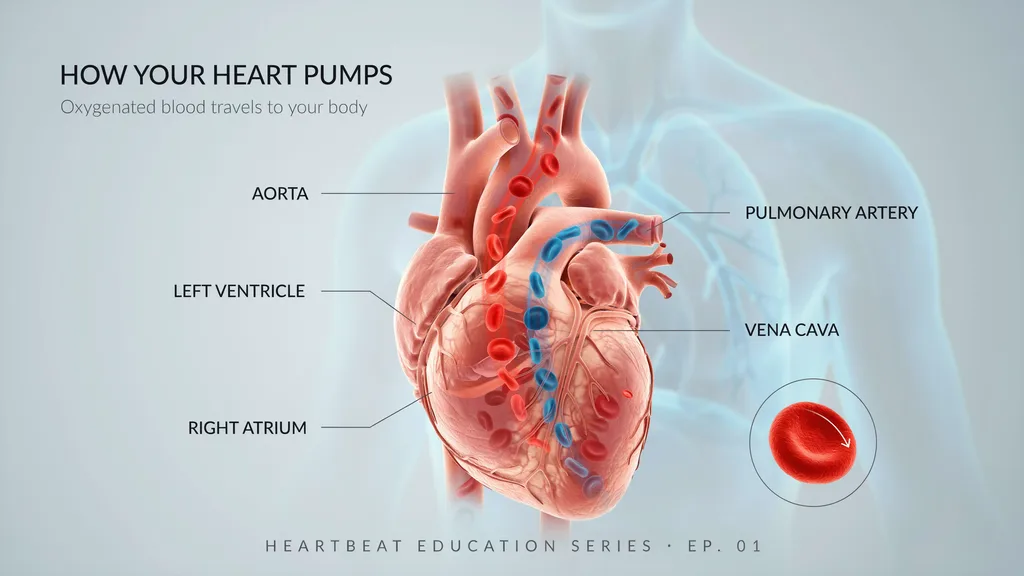
Alt text: Medical animation for patient education.
Patients rarely come to medical information feeling relaxed.
They may be worried about a diagnosis, confused about a procedure, unsure about a device, or trying to understand treatment options after a short appointment. Even when a doctor explains things clearly, patients may forget important details once they leave the room.
That is normal. Healthcare information can feel heavy.
Medical animation helps make those difficult topics easier to understand. It gives patients a visual path through the information. Instead of reading dense medical terms or trying to imagine what happens inside the body, they can watch the process unfold step by step.
For healthcare brands, hospitals, clinics, and medical device companies, this matters. Better education can lead to better conversations, stronger trust, and fewer repeated questions.
Patients Need Simple Explanations, Not More Jargon
Medical language can become overwhelming quickly.
A clinician may use terms that are accurate but unfamiliar. A brochure may explain a procedure in proper detail, but the patient may still struggle to picture what is happening. A website may answer basic questions, but it may not make the process feel clear.
Animation can remove some of that pressure.
It can explain what the condition is, how a procedure works, where a device may be placed, or how a treatment supports the body. The visuals help patients connect the explanation to something they can actually understand.
That does not mean the content should be childish. Patients deserve clear, respectful education that helps them feel informed.
Calm Visuals Can Reduce Fear
Some medical topics are sensitive.
A patient may be nervous about surgery, imaging, injections, implants, recovery, or a treatment plan. If the visuals are too graphic, the patient may feel more anxious. If the explanation is too vague, the patient may feel unprepared.
Medical animation gives healthcare teams more control over tone.
A procedure can be shown in a clean, simplified way. Anatomy can be presented clearly without unnecessary graphic detail. Important steps can be explained without making the viewer uncomfortable.
The goal is not to hide the truth. The goal is to explain it in a way patients can process.
Animation Helps Explain What Happens Inside the Body
Many healthcare topics involve actions that cannot be seen from the outside.
A medication may affect a pathway. A device may support an internal structure. A treatment may reduce pressure, restore movement, or target a specific area. A procedure may involve steps inside the body that are difficult to describe with words alone.
Animation makes those hidden actions visible.
A viewer can see the affected area, understand the problem, and follow how the treatment or device is designed to help. This kind of visual explanation can be especially useful for cardiology, orthopedics, dental care, dermatology, diagnostics, women’s health, and surgical education.
When patients can picture the process, they can ask better questions.
Medical Device Education Becomes Easier
Medical devices often create confusion because patients only see the outside.
They may not understand how the device works, why it is used, how it supports treatment, or what role it plays in recovery. Product photos rarely explain enough.
Animation can show the device in context.
It can show placement, function, movement, and the basic purpose behind the design. It can also show what patients should expect before, during, or after use, depending on the situation.
A strong 3D medical animation company can help healthcare brands explain device-related topics with the right balance of accuracy, simplicity, and patient-friendly pacing.
Doctors and Staff Benefit Too
Patient education videos are not only helpful for patients.
Doctors, nurses, patient coordinators, and support staff can also use them during appointments. Instead of explaining the same concept from scratch every time, they can show a short animation and then answer the patient’s specific questions.
This saves time without making the conversation feel rushed.
It also helps keep explanations consistent. When every staff member uses the same approved visual, patients receive the same core message. That can reduce confusion between departments, clinics, or follow-up visits.
The video supports the healthcare professional. It does not replace them.
Better Education Can Improve Follow-Up Conversations
Patients often think of questions after the appointment ends.
They may go home, search online, ask family members, or re-read paperwork. That is where confusion can grow. The internet may give them information that is too broad, too technical, or not relevant to their case.
A patient education animation can act as a trusted reference.
Clinics and healthcare brands can share it through patient portals, emails, websites, or waiting room screens. Patients can replay the video later when they feel ready to absorb the information.
This helps turn education into an ongoing support tool, not a one-time explanation.
Accuracy Still Comes First
Patient-friendly does not mean careless.
Medical animation must still be accurate. The anatomy, process, product function, treatment steps, and claims should be reviewed carefully. Oversimplifying too much can create misunderstanding. Overpromising can damage trust.
The best patient education content uses clear language but keeps the medical meaning intact.
That means the script should be reviewed before animation begins. The storyboard should match the approved explanation. Medical reviewers should check the visuals before the final version is delivered.
Accuracy should guide the creative work from the start.
The Script Should Answer Real Patient Questions
A patient education video should not sound like a product pitch.
It should answer the questions patients actually have.
What is happening in my body?
Why is this procedure needed?
What does this device do?
What should I expect?
What should I ask my doctor next?
Those questions should shape the script.
A strong video begins with the patient’s concern, then explains the topic in a clear order. It does not overload the viewer with every detail. It gives enough information to help them feel more prepared.
One Video Should Have One Main Purpose
Healthcare teams sometimes try to put too much into one animation.
They may want to explain the condition, procedure, device, treatment, recovery, risks, benefits, company background, and clinical data all in one video. That usually becomes too much for patients.
A better approach is to choose one main purpose.
One video can explain a condition. Another can explain a procedure. Another can explain how a device supports care. Another can cover recovery guidance.
Shorter, focused videos are easier for patients to watch, understand, and remember.
Medical Animation Can Support Many Touchpoints
Patient education does not happen in one place.
A video may be used on a clinic website, hospital page, patient portal, consultation room screen, email follow-up, waiting room display, or educational campaign. Shorter clips can also support social media awareness, especially for common conditions or routine procedures.
Planning these uses early helps the final animation work better.
The team can create versions with different lengths, captions, voiceover options, or visual formats. That makes the content more useful across the full patient journey.
Conclusion
Medical animation helps healthcare teams explain difficult topics with more clarity and care. It can make procedures easier to understand, reduce patient anxiety, support device education, and give doctors a stronger tool for patient conversations. The best videos are accurate, focused, and built around the questions patients are already asking. When medical information feels hard to picture, animation gives patients a clearer way to understand what matters.
Frequently Asked Questions
What Is Medical Animation for Patient Education?
Medical animation for patient education is a visual video format that explains conditions, procedures, treatments, or devices in a simple and clear way.
Why Is Animation Useful for Patients?
Animation helps patients understand medical topics by showing processes visually instead of relying only on written explanations or verbal descriptions.
Can Medical Animation Reduce Patient Confusion?
Yes. A clear animation can explain what happens, why it matters, and what patients may need to discuss with their healthcare provider.
Where Can Patient Education Videos Be Used?
They can be used on clinic websites, hospital pages, patient portals, consultation screens, waiting room displays, and follow-up emails.
How Long Should a Patient Education Animation Be?
Most patient education animations work best between 60 and 120 seconds, depending on the topic, audience, and level of detail needed.
