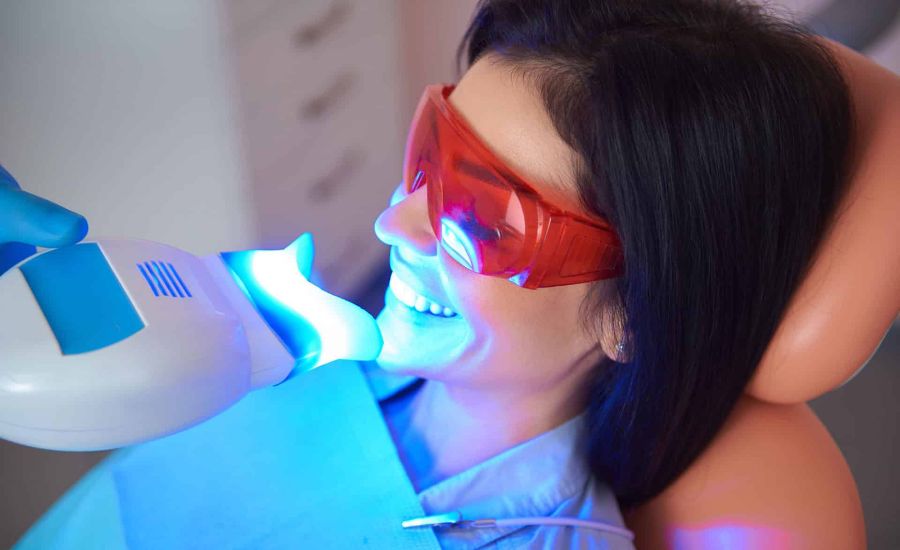
You pick up a whitening strip, a fluoride rinse, or a tube of toothpaste that promises relief, and it seems simple enough. The label looks clear, the product is easy to buy, and plenty of people use it every day, including people exploring cosmetic dental services in Livermore, CA. Then your teeth feel more sensitive, your gums get irritated, or the result is nothing like what someone else described. That can be frustrating, especially when you were trying to do the right thing for your mouth.
Why over the counter dental products can affect patients differently comes down to one basic truth. Your mouth is not the same as anyone else’s. Your enamel thickness, gum health, saliva flow, old dental work, diet, medications, and habits all shape how a product works for you. A rinse or paste that helps one person may cause discomfort or do very little for another. That does not always mean the product is bad. It means the fit may be wrong.
This is where a general dentist becomes useful. Over the counter care has a place, but it works best when it matches your actual needs instead of your guess about what those needs might be.
Different mouths react differently to the same dental products
Two people can use the same whitening gel and have completely different outcomes. One sees a brighter smile in a week. The other gets sharp pain when drinking cold water. The reason often starts with enamel and dentin. If your enamel is thinner, whitening ingredients can reach the inner part of the tooth more easily, which raises sensitivity. If you already have exposed roots from gum recession, that same product may feel much stronger than expected.
Saliva matters too. Saliva helps protect teeth, balance acids, and move ingredients around your mouth. If you take medication that causes dry mouth, a rinse or toothpaste may not spread or buffer the same way it does for someone with normal saliva flow. That can change both comfort and results.
Past dental work adds another layer. Fillings, crowns, bonding, and veneers do not respond like natural teeth. Whitening products will not lighten them the same way, so you can end up with uneven color. Stronger toothpastes made for tartar control or stain removal may also feel rougher around worn edges or older restorations.
Over the counter oral care products affect people differently because oral health is personal, not one size fits all.
Common over the counter dental choices can create hidden problems
A lot of problems start with good intentions. You notice bleeding gums and buy a mouthwash with strong antiseptic ingredients. You see surface stains and switch to an abrasive whitening toothpaste. You feel a twinge near one tooth and start using a desensitizing paste every hour because you want fast relief. Each choice makes sense in the moment. The trouble is that symptoms do not tell the full story.
Bleeding gums may come from plaque buildup that needs a professional cleaning, not a harsher rinse. Stains may be caused by coffee, smoking, or worn enamel, and scrubbing harder can make sensitivity worse. Tooth pain may be from a crack, cavity, or grinding, which a store product cannot fix.
Cost can complicate this. It is easy to spend money on several products before realizing none of them address the real issue. You might rotate between whitening strips, charcoal toothpaste, and gum treatments, hoping one will click. That trial and error gets expensive, and it can delay care while the underlying problem gets worse.
Reliable guidance helps. The National Institute of Dental and Craniofacial Research explains how fluoride protects teeth and who may benefit from it. MedlinePlus also offers a broad overview of dental health topics and common oral care concerns. These resources are helpful, but they still cannot assess your enamel, bite, or gum condition the way an exam can.
Professional guidance often changes what the right product looks like
What works well for you may be less dramatic than the product with the biggest claims. If you have frequent cavities, a dentist may steer you toward fluoride support and diet changes instead of cosmetic whitening. If you have gum recession, the better choice may be a low abrasion toothpaste and a softer brushing method. If you grind your teeth at night, sensitivity may have more to do with pressure and enamel wear than with the toothpaste itself.
This is the heart of patient responses to dental products. The product is only part of the picture. The condition of your teeth and gums decides how that product behaves.
Over the counter care and professional dental care serve different roles
| Concern | Over the Counter Option | Possible Benefit | Common Limitation | When a General Dentist Helps More |
|---|---|---|---|---|
| Tooth sensitivity | Desensitizing toothpaste | May reduce nerve response over time | Does not treat cracks, decay, or grinding | If pain is sudden, one sided, or getting worse |
| Teeth whitening | Strips, gels, whitening toothpaste | Can lift some surface and mild internal stains | May cause sensitivity, will not whiten crowns or fillings | If you have uneven color, restorations, or gum irritation |
| Cavity prevention | Fluoride toothpaste or rinse | Supports enamel and lowers decay risk | May not be enough for high cavity risk | If you get frequent cavities or have dry mouth |
| Gum irritation | Mouthwash, soft toothbrush, floss picks | Can improve daily plaque control | Will not remove hardened tartar below the gumline | If bleeding lasts more than a week or gums pull back |
Small changes in product use can lower risk and improve results
Read the active ingredient, not just the promise. Whitening, fluoride, sensitivity relief, and tartar control all rely on different ingredients. If you know what is doing the work, you can avoid doubling up on products that irritate your mouth or cancel out your goal. A whitening toothpaste and whitening strips used together may be too much for sensitive teeth.
Track what happens after you start a product. Notice any burning, peeling, dryness, sharper sensitivity, or uneven whitening. Pay attention to timing. If the reaction starts within a few days of using something new, that clue matters. Stop using the product if symptoms worsen and bring the product name to your dental visit.
Use store products as support, not diagnosis. If a problem keeps returning, there is usually a reason. Repeated sensitivity, bad breath, bleeding gums, or tooth pain often point to issues that need a closer look. A general dentist can tell you whether the right move is a different toothpaste, a fluoride treatment, a night guard, a filling, or a cleaning.
The right dental product is the one that fits your mouth
If you have felt confused by mixed results, you are not imagining it. The same product really can help one person and bother another. Why over the counter dental products can affect patients differently is not a mystery once you look at enamel, gums, saliva, dental work, and habits together. The goal is not to avoid every store bought product. The goal is to stop guessing and start matching the product to your actual oral health.
If your teeth or gums are reacting in a way that does not feel right, schedule a visit with a general dentist. A short exam can save you time, money, and a lot of discomfort.
