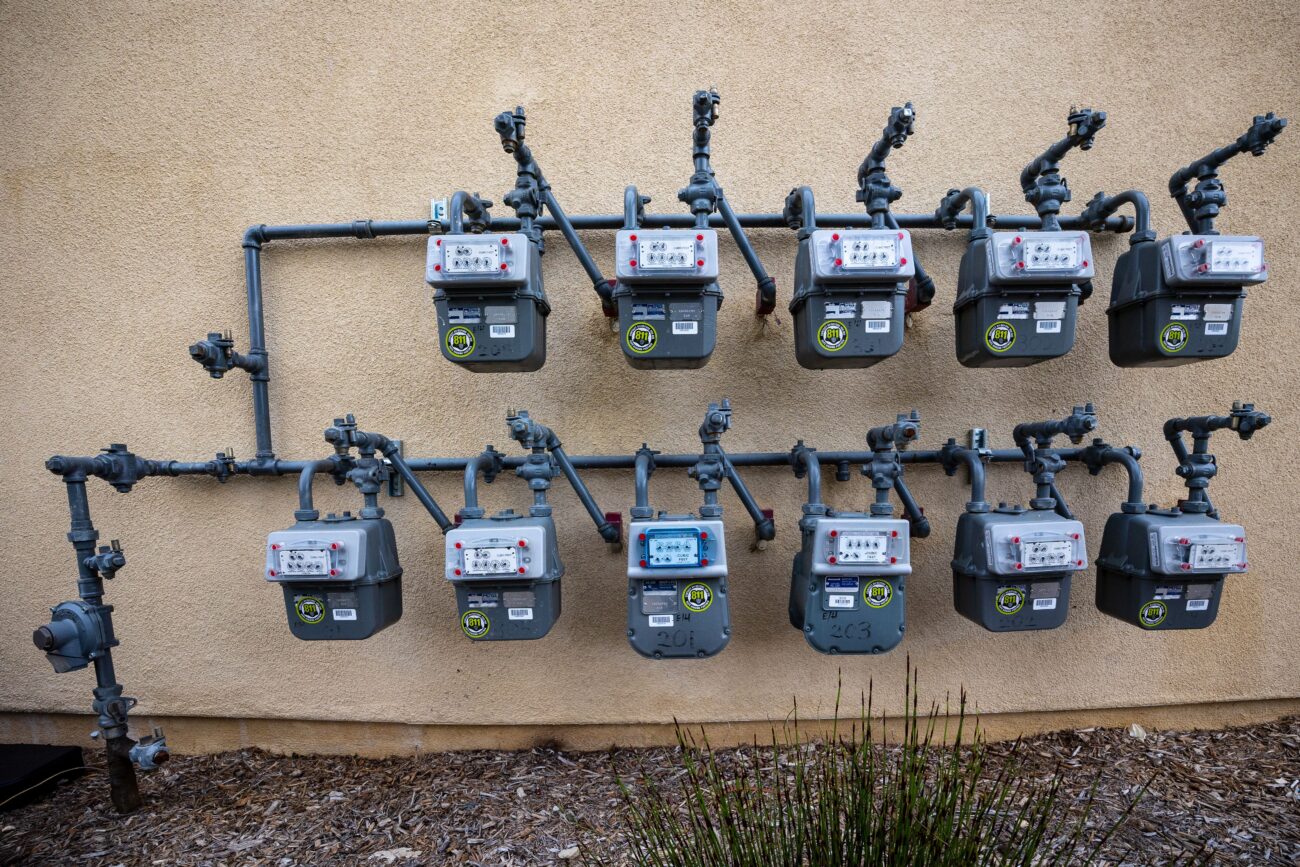
You walk around the house and check everything. The stove is off. The oven isn’t running. The fireplace isn’t being used. The furnace isn’t heating. Yet when you look at the gas meter, you notice that it is still moving.
That can be unsettling.
In some cases, a small amount of movement can have a perfectly reasonable explanation. A gas water heater may be maintaining the temperature of stored water, or another appliance may still be operating automatically.
But if all gas appliances are genuinely off and the meter continues registering gas use, it can indicate a leak or another problem that needs professional attention.
The important thing is not to panic, but also not to ignore unexplained gas consumption.
First, Make Sure Everything Is Actually Off
Before assuming there’s a gas leak, check which appliances in your home use natural gas.
Common gas appliances include:
- Furnaces
- Boilers
- Water heaters
- Stoves and ovens
- Clothes dryers
- Fireplaces
- Pool or spa heaters
- Outdoor grills
- Generators
Some appliances don’t operate continuously. They may automatically turn on when needed.
For example, a traditional gas water heater can periodically fire its burner to maintain the temperature of water stored in its tank. Similarly, a furnace can start automatically when the thermostat detects that the indoor temperature has fallen below its setting.
So “everything is turned off” from a homeowner’s perspective doesn’t necessarily mean that every gas-consuming appliance is inactive.
Your Water Heater Could Be the Reason
A storage-tank water heater is one of the first things worth considering.
Unlike a gas stove, which uses fuel only while a burner is operating, a conventional gas water heater keeps a tank of hot water ready for use.
Over time, some of that heat escapes from the tank. The water heater can then activate its burner to restore the temperature.
This is called standby loss.
ENERGY STAR explains that tankless gas water heaters avoid the energy losses associated with continuously maintaining a tank of hot water because they heat water when it is needed.
So if you have a traditional storage water heater, seeing occasional gas use when nobody is actively using hot water isn’t necessarily unusual.
Your Furnace or Boiler May Be Cycling
If the weather is cold, your heating system may also explain the movement.
A gas furnace or boiler doesn’t necessarily run continuously. It cycles on when heat is needed and shuts down after reaching the desired temperature.
Even if you haven’t manually turned the system on, the thermostat may be controlling it automatically.
This is particularly important when checking the meter during winter. If the thermostat is still set to a comfortable indoor temperature, the heating system may be consuming gas even though nobody is actively operating it.
For a useful test, make sure the heating system isn’t scheduled to run during the period you’re watching the meter.
A Pilot Light May Use a Small Amount of Gas
Some older gas appliances use standing pilot lights.
A pilot light is a small flame that remains lit so it can ignite the main burner when the appliance needs to operate.
Because the pilot burns continuously, it can consume a small amount of gas even when the main appliance isn’t being used.
Many modern appliances use electronic ignition instead, which eliminates the need for a continuously burning pilot.
If you’re unsure whether an appliance has a standing pilot, check its owner’s manual or have a qualified technician inspect it.
What If the Meter Keeps Moving After Everything Is Off?
This is where you should take the situation more seriously.
If you’ve confirmed that all gas appliances and equipment are off, but the meter continues to register gas flow, a leak is one possible explanation.
Colorado Springs Utilities specifically advises that if its natural gas meter continues to move after all natural gas appliances and equipment have been shut off, it indicates a leak.
Minnesota Energy Resources likewise lists a meter dial that continues moving after gas appliances are shut off as one possible sign of a natural gas leak.
A leak could potentially occur in appliance connections, gas piping, valves, or other parts of the system.
This is not something you should try to diagnose by taking apart gas appliances or piping yourself.
Don’t Assume a Tiny Movement Is Harmless
You may notice that the meter’s smallest dial or indicator moves very slowly rather than spinning rapidly.
It can be tempting to assume that such a small movement doesn’t matter.
But the speed of movement alone doesn’t tell you whether there is a leak or how serious it may be.
A slow leak can still represent unwanted gas consumption and a safety concern.
If you’ve ruled out normal appliance operation and the meter continues registering gas flow, contact your gas utility or a qualified gas professional for guidance.
What Should You Do If You Smell Gas?
This is the most important safety point.
Natural gas is naturally colorless and odorless, but utilities add an odorant so leaks can be easier to detect. A smell similar to rotten eggs or sulfur can be a warning sign.
If you smell gas inside your home, don’t stay around trying to figure out exactly where it is coming from.
If you suspect a gas leak, leave the area and contact your local gas utility or emergency services from a safe location. Natural gas is flammable, and the U.S. Department of Energy emphasizes the importance of professional inspection and safe handling when working with natural gas systems.
Avoid creating sparks. That means you shouldn’t switch lights or electrical equipment on or off, use a phone near the suspected leak, light a match, or operate anything that could ignite gas.
Move to a safe location first, then make the call.
What If There Is No Gas Smell?
A lack of odor doesn’t necessarily prove that everything is fine.
Natural gas leaks can have different warning signs, and odor may not always be noticeable. Minnesota Energy Resources, for example, lists unexplained increases in gas consumption and continued meter movement as potential indicators in addition to gas odor.
That’s why unexplained meter movement deserves attention even if your home doesn’t smell like gas.
The safest approach is to have the situation evaluated rather than trying to estimate whether the amount of gas being used is “too small” to matter.
Can You Check the Meter Yourself?
You can observe your meter, but avoid interfering with it.
If you’re trying to understand your home’s gas usage, you can look at the meter and compare readings at different times. However, don’t remove covers, disconnect pipes, adjust fittings, or attempt to repair the meter yourself.
The meter itself is part of the gas service system, and work on gas piping and appliances should be handled by appropriately qualified professionals.
A professional can determine whether the movement is caused by an appliance, a pilot light, a faulty component, or a leak.
Could the Problem Be Affecting Your Gas Bill?
If gas is actually flowing when you don’t expect it to, that consumption can eventually appear on your bill.
The amount may be small if the issue is minor, but unexplained usage over days or weeks can add up. Looking at your natural gas consumption over time can help you spot unusual patterns and compare your usage across different billing periods.
If your gas bill has increased unexpectedly at the same time that you’ve noticed unexplained meter movement, it’s worth investigating both the consumption and the rate you’re being charged.
For example, customers comparing providers or plans may come across names such as gas south while researching natural gas pricing and service options. But remember that changing your rate plan won’t fix unexplained physical gas consumption. First determine where the gas is going.
Frequently Asked Questions
Should a gas meter move when nothing is being used?
It can move if an appliance is operating automatically, such as a furnace or storage water heater. However, if all gas-consuming equipment is confirmed to be off and the meter continues registering usage, a leak should be investigated.
Can a gas water heater make the meter move when nobody is showering?
Yes. A traditional storage water heater may periodically use gas to maintain the temperature of water in its tank.
Can a pilot light make a gas meter move?
Yes. A standing pilot consumes a small amount of natural gas continuously, even when the appliance’s main burner isn’t operating.
How do I know if my gas meter movement is a leak?
You generally shouldn’t try to diagnose a gas leak yourself based solely on how quickly the meter moves. If all gas appliances are off and the meter continues registering gas use, contact your gas utility or a qualified professional.
Is a slow-moving gas meter dangerous?
Slow movement doesn’t tell you whether a leak is dangerous. Even a small unexplained flow should be investigated if all appliances are confirmed to be off.
What should I do if I smell gas?
Leave the area immediately and move to a safe location. Avoid switches, flames, phones, vehicles, and other potential ignition sources near the suspected leak. From a safe location, contact your gas utility’s emergency service or 911.
Can I repair a gas leak myself?
No. Gas piping, appliance connections, and other gas-system repairs should be handled by qualified professionals. Do not disassemble gas appliances or attempt to locate a leak by modifying the system.
Final Thoughts
A moving gas meter doesn’t automatically mean your home has a dangerous leak.
A furnace may be cycling. A conventional water heater may be reheating stored water. An older appliance may have a standing pilot that uses a small amount of gas.
But there’s an important line between expected gas consumption and unexplained gas flow.
If you’ve confirmed that every gas appliance and system is off and your meter continues moving, don’t simply ignore it. A leak is one possible explanation, and utilities specifically identify continued meter movement after appliances are shut off as a warning sign.
When in doubt, prioritize safety over saving a few dollars on your gas bill. Let a qualified professional or your gas utility determine what’s causing the meter to move.You walk around the house and check everything. The stove is off. The oven isn’t running. The fireplace isn’t being used. The furnace isn’t heating. Yet when you look at the gas meter, you notice that it is still moving.
That can be unsettling.
In some cases, a small amount of movement can have a perfectly reasonable explanation. A gas water heater may be maintaining the temperature of stored water, or another appliance may still be operating automatically.
But if all gas appliances are genuinely off and the meter continues registering gas use, it can indicate a leak or another problem that needs professional attention.
The important thing is not to panic, but also not to ignore unexplained gas consumption.
First, Make Sure Everything Is Actually Off
Before assuming there’s a gas leak, check which appliances in your home use natural gas.
Common gas appliances include:
- Furnaces
- Boilers
- Water heaters
- Stoves and ovens
- Clothes dryers
- Fireplaces
- Pool or spa heaters
- Outdoor grills
- Generators
Some appliances don’t operate continuously. They may automatically turn on when needed.
For example, a traditional gas water heater can periodically fire its burner to maintain the temperature of water stored in its tank. Similarly, a furnace can start automatically when the thermostat detects that the indoor temperature has fallen below its setting.
So “everything is turned off” from a homeowner’s perspective doesn’t necessarily mean that every gas-consuming appliance is inactive.
Your Water Heater Could Be the Reason
A storage-tank water heater is one of the first things worth considering.
Unlike a gas stove, which uses fuel only while a burner is operating, a conventional gas water heater keeps a tank of hot water ready for use.
Over time, some of that heat escapes from the tank. The water heater can then activate its burner to restore the temperature.
This is called standby loss.
ENERGY STAR explains that tankless gas water heaters avoid the energy losses associated with continuously maintaining a tank of hot water because they heat water when it is needed.
So if you have a traditional storage water heater, seeing occasional gas use when nobody is actively using hot water isn’t necessarily unusual.
Your Furnace or Boiler May Be Cycling
If the weather is cold, your heating system may also explain the movement.
A gas furnace or boiler doesn’t necessarily run continuously. It cycles on when heat is needed and shuts down after reaching the desired temperature.
Even if you haven’t manually turned the system on, the thermostat may be controlling it automatically.
This is particularly important when checking the meter during winter. If the thermostat is still set to a comfortable indoor temperature, the heating system may be consuming gas even though nobody is actively operating it.
For a useful test, make sure the heating system isn’t scheduled to run during the period you’re watching the meter.
A Pilot Light May Use a Small Amount of Gas
Some older gas appliances use standing pilot lights.
A pilot light is a small flame that remains lit so it can ignite the main burner when the appliance needs to operate.
Because the pilot burns continuously, it can consume a small amount of gas even when the main appliance isn’t being used.
Many modern appliances use electronic ignition instead, which eliminates the need for a continuously burning pilot.
If you’re unsure whether an appliance has a standing pilot, check its owner’s manual or have a qualified technician inspect it.
What If the Meter Keeps Moving After Everything Is Off?
This is where you should take the situation more seriously.
If you’ve confirmed that all gas appliances and equipment are off, but the meter continues to register gas flow, a leak is one possible explanation.
Colorado Springs Utilities specifically advises that if its natural gas meter continues to move after all natural gas appliances and equipment have been shut off, it indicates a leak.
Minnesota Energy Resources likewise lists a meter dial that continues moving after gas appliances are shut off as one possible sign of a natural gas leak.
A leak could potentially occur in appliance connections, gas piping, valves, or other parts of the system.
This is not something you should try to diagnose by taking apart gas appliances or piping yourself.
Don’t Assume a Tiny Movement Is Harmless
You may notice that the meter’s smallest dial or indicator moves very slowly rather than spinning rapidly.
It can be tempting to assume that such a small movement doesn’t matter.
But the speed of movement alone doesn’t tell you whether there is a leak or how serious it may be.
A slow leak can still represent unwanted gas consumption and a safety concern.
If you’ve ruled out normal appliance operation and the meter continues registering gas flow, contact your gas utility or a qualified gas professional for guidance.
What Should You Do If You Smell Gas?
This is the most important safety point.
Natural gas is naturally colorless and odorless, but utilities add an odorant so leaks can be easier to detect. A smell similar to rotten eggs or sulfur can be a warning sign.
If you smell gas inside your home, don’t stay around trying to figure out exactly where it is coming from.
If you suspect a gas leak, leave the area and contact your local gas utility or emergency services from a safe location. Natural gas is flammable, and the U.S. Department of Energy emphasizes the importance of professional inspection and safe handling when working with natural gas systems.
Avoid creating sparks. That means you shouldn’t switch lights or electrical equipment on or off, use a phone near the suspected leak, light a match, or operate anything that could ignite gas.
Move to a safe location first, then make the call.
What If There Is No Gas Smell?
A lack of odor doesn’t necessarily prove that everything is fine.
Natural gas leaks can have different warning signs, and odor may not always be noticeable. Minnesota Energy Resources, for example, lists unexplained increases in gas consumption and continued meter movement as potential indicators in addition to gas odor.
That’s why unexplained meter movement deserves attention even if your home doesn’t smell like gas.
The safest approach is to have the situation evaluated rather than trying to estimate whether the amount of gas being used is “too small” to matter.
Can You Check the Meter Yourself?
You can observe your meter, but avoid interfering with it.
If you’re trying to understand your home’s gas usage, you can look at the meter and compare readings at different times. However, don’t remove covers, disconnect pipes, adjust fittings, or attempt to repair the meter yourself.
The meter itself is part of the gas service system, and work on gas piping and appliances should be handled by appropriately qualified professionals.
A professional can determine whether the movement is caused by an appliance, a pilot light, a faulty component, or a leak.
Could the Problem Be Affecting Your Gas Bill?
If gas is actually flowing when you don’t expect it to, that consumption can eventually appear on your bill.
The amount may be small if the issue is minor, but unexplained usage over days or weeks can add up. Looking at your natural gas consumption over time can help you spot unusual patterns and compare your usage across different billing periods.
If your gas bill has increased unexpectedly at the same time that you’ve noticed unexplained meter movement, it’s worth investigating both the consumption and the rate you’re being charged.
For example, customers comparing providers or plans may come across names such as gas south while researching natural gas pricing and service options. But remember that changing your rate plan won’t fix unexplained physical gas consumption. First determine where the gas is going.
Frequently Asked Questions
Should a gas meter move when nothing is being used?
It can move if an appliance is operating automatically, such as a furnace or storage water heater. However, if all gas-consuming equipment is confirmed to be off and the meter continues registering usage, a leak should be investigated.
Can a gas water heater make the meter move when nobody is showering?
Yes. A traditional storage water heater may periodically use gas to maintain the temperature of water in its tank.
Can a pilot light make a gas meter move?
Yes. A standing pilot consumes a small amount of natural gas continuously, even when the appliance’s main burner isn’t operating.
How do I know if my gas meter movement is a leak?
You generally shouldn’t try to diagnose a gas leak yourself based solely on how quickly the meter moves. If all gas appliances are off and the meter continues registering gas use, contact your gas utility or a qualified professional.
Is a slow-moving gas meter dangerous?
Slow movement doesn’t tell you whether a leak is dangerous. Even a small unexplained flow should be investigated if all appliances are confirmed to be off.
What should I do if I smell gas?
Leave the area immediately and move to a safe location. Avoid switches, flames, phones, vehicles, and other potential ignition sources near the suspected leak. From a safe location, contact your gas utility’s emergency service or 911.
Can I repair a gas leak myself?
No. Gas piping, appliance connections, and other gas-system repairs should be handled by qualified professionals. Do not disassemble gas appliances or attempt to locate a leak by modifying the system.
Final Thoughts
A moving gas meter doesn’t automatically mean your home has a dangerous leak.
A furnace may be cycling. A conventional water heater may be reheating stored water. An older appliance may have a standing pilot that uses a small amount of gas.
But there’s an important line between expected gas consumption and unexplained gas flow.
If you’ve confirmed that every gas appliance and system is off and your meter continues moving, don’t simply ignore it. A leak is one possible explanation, and utilities specifically identify continued meter movement after appliances are shut off as a warning sign.
When in doubt, prioritize safety over saving a few dollars on your gas bill. Let a qualified professional or your gas utility determine what’s causing the meter to move.
