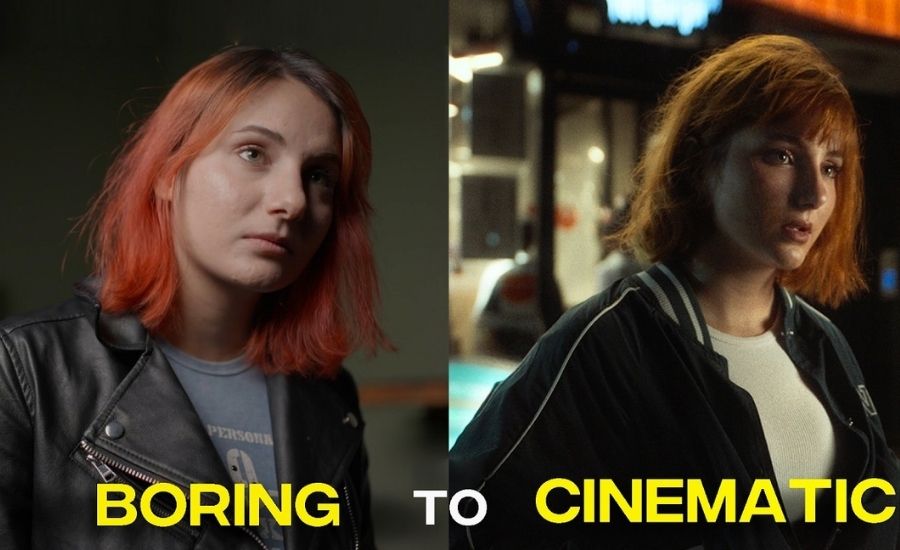
Modern digital storytelling depends heavily on lighting. The same scene can feel warm and nostalgic, tense and dramatic, or clean and premium, depending on where the light comes from and how it falls on a face, a product or a landscape. Traditionally, getting that look right has meant careful work on set, followed by hours of color correction and grading in post-production. For creators and marketing teams producing content every week, that workload quickly becomes a bottleneck.
Animx approaches the problem differently. Its AI Video Generator brings leading models such as Google Veo 3.1, OpenAI Sora 2, Kling 3.0, Seedance 2.0 and Happy Horse into one workspace, so lighting becomes part of the prompt rather than a separate post-production job. You describe the mood, the time of day and the light source, and the model renders the scene with that lighting built in, usually in about 30 seconds to 2 minutes.
1. Lighting Shapes Emotional Storytelling
Light tells the audience how to feel before a single word is spoken. Soft window light suggests calm and intimacy. Hard side light creates tension. Golden-hour backlight feels hopeful and cinematic. With Animx, creators can direct these choices in plain language:
- “Soft morning light through sheer curtains”
- “Neon reflections on wet pavement at night”
- “Warm golden-hour backlight with gentle lens flare”
- “High-contrast single overhead light in a dark room”
Because each model interprets lighting slightly differently, you can run the same prompt across several engines and keep the version whose mood fits your story best.
2. Traditional Manual Grading Slows Production
In a traditional pipeline, lighting problems found after the shoot have to be fixed in the edit. That often means:
1. Balancing color temperature between shots
2. Matching exposure across scenes filmed at different times
3. Adjusting contrast and shadows shot by shot
4. Building and applying a consistent grade or LUT
5. Re-exporting and reviewing every change
Each step takes time, especially across a full campaign. When lighting is generated as part of the shot, much of that corrective work simply disappears, and the remaining time can go to creative decisions rather than technical fixes.
3. Premium Lighting Makes Content Feel More Expensive
Viewers judge quality instantly, and lighting is one of the strongest signals. Flat, evenly lit footage tends to look cheap, while controlled highlights, soft falloff and natural shadows make a product or a person look premium. Veo 3.1 on Animx is designed for photoreal, cinematic video, making it a strong choice for luxury products, beauty shots and brand films where every reflection matters. For stylized or illustrated looks, Seedance 2.0 delivers fluid motion with a consistent artistic treatment.
4. Fix the Light Before You Animate
One of the most practical lighting workflows on Animx starts with a still image. Animx’s image tools can edit real photos, including changing the lighting while keeping the original composition. Once a frame looks right, you can send it to the video workspace and use it as the starting frame for image-to-video generation with Seedance, Veo, Kling, Sora or Happy Horse.
This approach gives you two advantages:
- You approve the look on a single frame, which is faster than reviewing full clips.
- The video inherits that lighting from the very first frame, keeping the mood intact as the scene moves.
5. Consistent Lighting Strengthens Brand Identity
Brands are recognized not only by logos but by visual style. A skincare brand might always use soft, bright daylight; a gaming brand might rely on saturated neon and deep shadows. Keeping that consistent across dozens of assets is hard with manual grading. On Animx, teams can reuse the same lighting language in their prompts and attach up to nine reference images to keep characters, products and style consistent across shots. The result is a library of content that feels like it belongs to one brand.
6. Agencies Need Faster Cinematic Production
Agencies face constant pressure: more deliverables, tighter deadlines and clients who expect cinematic quality on every channel. AI generation helps by:
- Producing several lighting variations of the same concept for client review
- Testing a mood before committing to a full production
- Delivering social cut-downs that match the hero film’s look
- Reducing time spent on corrective grading
Because all models are included in one Animx subscription, an agency can compare Veo, Sora, Kling and Seedance on the same brief without managing separate accounts.
7. Performance Marketing Depends on Visual Impact
In paid social, the first second decides whether an ad is watched or skipped. Strong lighting creates contrast, depth and focus that pull the eye to the product or the person on screen. Marketers can quickly generate lighting variations of the same ad, such as a bright daylight version and a moody evening version, and let performance data show which one works best. When testing is this cheap, creative decisions become evidence-based.
8. Light and Sound Work Together
Atmosphere is not only visual. Models like Veo 3.1, Sora 2 and Happy Horse generate native audio together with the picture, so a candlelit dinner scene arrives with soft ambient sound and a rainy neon street comes with the hiss of rain and distant traffic. When lighting and sound are generated in the same pass, the scene feels cohesive without extra sound design work.
9. Scalable Production Needs Smarter Workflows
Maintaining a premium look across hundreds of assets is where manual workflows struggle most. Animx is built for scale:
- One prompt bar for all leading video models
- Side-by-side comparison of the same prompt across models
- Image-to-video and reference-to-video for consistent results
- Resolution, duration and aspect ratio settings for each platform
- MP4 export, ready to publish or send back to the workspace for another iteration
These features let small teams produce the volume of content that once required a full post-production department.
10. Smarter Lighting Lets Creators Focus on Storytelling
The real value of AI-driven lighting is not just saved hours. It’s the creative freedom that comes with them. When creators spend less time balancing exposure and matching color between shots, they can spend more time on ideas, pacing and characters. Lighting becomes a creative choice made at the start, not a technical problem solved at the end.
For creators, marketers and agencies who want cinematic results without long grading sessions, Animx offers a practical path: describe the light you want, compare it across the world’s leading video models, and move on to telling the story. New accounts start with free credits and no card required, so the next lighting test is only a prompt away.
