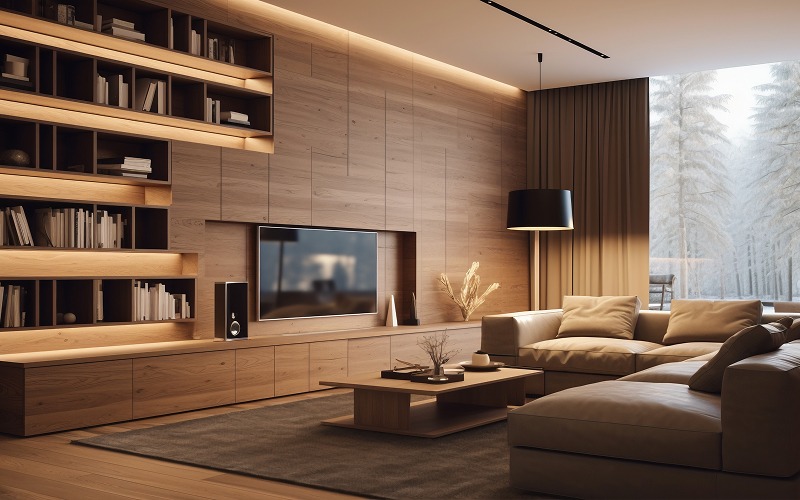
Vital Facts You Should Know
- Formaldehyde is a common by-product of construction materials, including adhesives, paints, and pressed wood products used in modern renovations.
- This chemical compound can linger in your home for months, off-gassing slowly from surfaces like cabinetry, laminates, and new flooring.
- Improving indoor air quality often requires more than simple ventilation; professional treatment can effectively neutralise these hidden pollutants.
- Recognising the signs of poor air quality, such as persistent odours or respiratory irritation, is vital for maintaining a healthy living environment.
The Hidden Side of Your New Renovation
We all love the crisp, clean scent of a newly completed renovation. That smell of fresh paint and brand-new furniture signals a fresh start. However, that distinctive aroma might mask something less desirable: formaldehyde. This volatile organic compound (VOC) is frequently found in the resins, adhesives, and glues used to bond construction materials together. When you install new cabinetry, lay down new flooring, or apply a fresh coat of paint, these materials begin a process known as off-gassing. They release tiny particles into the air, which can accumulate in enclosed spaces. While the levels might fluctuate, the cumulative effect can be concerning for residents, especially those with sensitivities, young children, or elderly family members. Recognising that your home environment is active (meaning it is constantly reacting and releasing gases) is the first step toward managing it. It is not just about the visible mess left by contractors; it is about the invisible air quality that affects your comfort every single day.
Why Is Formaldehyde A Concern In New Renovations?
Renovations often bring a wave of new materials into a space, each potentially contributing to a build-up of indoor air contaminants. When materials like particleboard, plywood, and certain paints are used in large quantities, the concentration of VOCs can rise significantly. This accumulation is rarely static; it shifts with temperature, humidity, and airflow within the home. If your renovation included extensive joinery or brand-new furniture pieces, the air exchange rate might not be sufficient to dilute these emissions effectively. Many homeowners find that despite thorough cleaning, a chemical scent lingers. This is often because the sources are embedded in the structure of the furniture and cabinetry itself, rather than being surface-level dust. Addressing this concern early is essential for long-term health and comfort in your newly updated space. If you are concerned about your indoor air quality, consulting a formaldehyde removal specialist can provide the expertise needed to address these hidden issues.
Which Furniture And Materials Are Common Sources Of Formaldehyde?
It is often surprising to find just how many household items contribute to indoor air pollution. Formaldehyde is not confined to one specific area; it tends to be tucked away in the very items we use to make our houses feel like homes. To better understand what might be impacting your air quality, consider the following common contributors found in many modern residences:
- Pressed Wood Products: Particleboard, plywood, and medium-density fibreboard (MDF) are staples in modern furniture, particularly in custom-built wardrobes, kitchen cabinets, and shelving units.
- Laminates and Veneers: The finishes applied to your benchtops and cabinet doors often contain adhesives that release vapours over time.
- Newly Painted Surfaces: Some paints and varnishes, while providing a beautiful finish, can emit VOCs for weeks after application as they cure and dry.
- Carpeting and Rugs: The glues and backings used in wall-to-wall carpeting and some synthetic rugs can trap and release chemical compounds.
- Adhesives and Sealants: Everything from the glue holding your floorboards together to the silicone sealant around your new bathroom vanity can be a minor but persistent source of emission.
How Does Off-Gassing Affect Your Home Over Time?
Off-gassing is not a one-time event that stops immediately after the renovation dust settles. It is a slow, steady release that can persist for months or even years, depending on the quality of the materials and the airflow in your property. When these emissions are trapped inside, they settle into your curtains, furniture upholstery, and even the dust on your shelves. You might notice a persistent, sharp smell that never quite fades, even after leaving windows open for hours. Beyond the odour, residents often report physical symptoms. These can include itchy eyes, scratchy throats, or recurring headaches that seem to improve when you step outside. It is easy to dismiss these signs as simple allergies or fatigue, but they are often the body’s response to degraded indoor air. By ignoring the subtle clues your home provides, you may be allowing these pollutants to impact your daily well-being longer than necessary. Should these symptoms persist, contacting a formaldehyde removal specialist may be the most effective way to identify and neutralise sources of pollution in your home.
Why Should You Hire A Professional Formaldehyde Removal Specialist?
While air purifiers and houseplants are wonderful additions to any home, they often lack the capacity to neutralise the chemical bonds of formaldehyde trapped within your cabinetry and flooring. When you rely solely on DIY methods, you might only address the symptoms rather than the source. This is where professional help becomes invaluable. Engaging a formaldehyde removal specialist allows you to tackle the problem systematically. Experts have the tools to assess your specific environment, identify the primary emission sources, and apply targeted treatments. They do not use a one-size-fits-all approach; instead, they tailor their methods to the specific layout and materials found in your space. Professional formaldehyde removal services focus on neutralising these compounds at the source, helping to lower airborne concentrations significantly. This creates a safer, more breathable environment, allowing you to settle into your renovated space with complete peace of mind.
Securing Peace of Mind for Your Sanctuary
A newly renovated home should be a sanctuary, not a source of invisible concern. By understanding where these pollutants hide and taking intentional steps to manage your indoor air quality, you ensure that your living space remains healthy and comfortable for everyone. Whether you have just finished a major renovation or recently moved into a new property, you do not have to settle for compromised air. Reach out to us at G Journey Services to learn how we can help you create a safer home.
