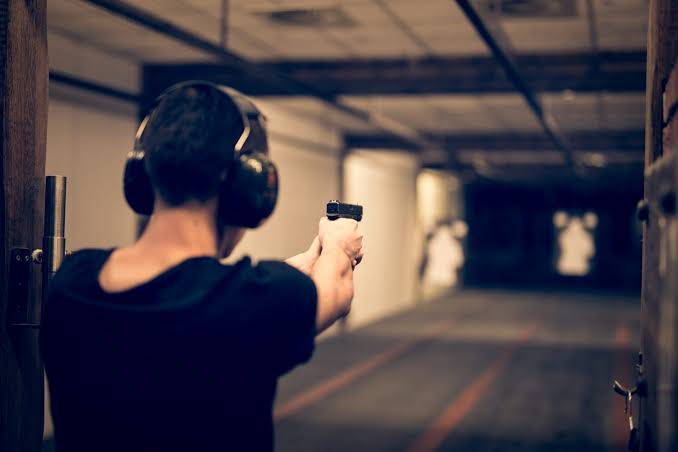
Learning how to handle a firearm safely involves far more than understanding how the equipment works. A well-structured firearm owner safety course should help someone develop sound judgment, responsible habits, and a clear understanding of the responsibilities that come with firearm ownership or use.
Technical knowledge is important, but it is only one part of the picture. Someone can understand the basic mechanics of a firearm and still be unprepared to make safe decisions in stressful or unfamiliar situations. Effective training should therefore focus just as much on awareness, discipline, and decision-making as it does on practical skills.
Safety Should Become a Habit
One of the most important goals of firearm training is turning safety rules into automatic habits. Safe handling should not require constant reminders or conscious effort. It should become part of the way a person approaches, stores, transports, and interacts with a firearm.
Training can reinforce the importance of treating every firearm with caution, maintaining awareness of surroundings, and avoiding situations where distraction or carelessness could create unnecessary risk. These principles may sound simple, but consistent practice is what makes them reliable.
Good instructors also encourage students to slow down. There is rarely a benefit to rushing when safety is involved. Developing a calm and deliberate approach can help prevent mistakes and create more confidence over time.
Confidence Should Come From Knowledge
People sometimes associate firearm confidence with speed or experience alone. In reality, responsible confidence comes from understanding what you are doing and recognizing what you still need to learn.
A well-designed training environment gives students room to ask questions, correct mistakes, and become comfortable without feeling pressured to perform beyond their current ability. Different people enter training with very different levels of experience, which is why instruction should never assume that everyone learns at the same pace.
True confidence also includes knowing when not to act. Being comfortable with a firearm does not mean feeling compelled to use it in every difficult situation. Good training reinforces restraint, awareness, and thoughtful decision-making.
Understanding the Rules Matters
Firearm training should also address the legal and practical responsibilities surrounding ownership and use. Laws can vary significantly, and rules governing storage, transportation, carrying, and lawful use may not always be obvious to someone who is new to the subject.
Training does not replace qualified legal advice, but it can help students recognize that legal knowledge is an essential part of responsible ownership. It can also encourage people to stay informed rather than relying on assumptions or information they heard years ago.
The most responsible approach is to understand that technical ability and legal responsibility go together. Knowing how something works is very different from knowing when, where, and under what circumstances it may legally be used.
Judgment Is Harder to Teach Than Technique
Many practical skills can be improved through repetition. Judgment is more complicated.
Good training should encourage people to think about situations before they happen. That does not mean rehearsing dramatic scenarios. It means understanding how awareness, communication, distance, and avoiding unnecessary confrontation can influence safety.
One of the most valuable lessons may be that preventing a dangerous situation is often better than reacting to one. Staying aware of the environment and recognizing potential problems early can provide more options and reduce the likelihood that a situation becomes serious.
Fun fact: People often think repetition is mainly about improving physical technique, but repetition also helps reduce the mental effort needed to remember basic safety procedures. When responsible habits become familiar, more attention can be given to the environment and the decisions being made.
The Same Principles Matter in Professional Security
The importance of training becomes even clearer when safety is someone’s professional responsibility. Organizations that rely on security personnel cannot judge preparedness simply by whether someone has completed a basic course or holds the required credentials.
Professional security work requires a broader combination of skills. Personnel may need to observe unusual behavior, communicate clearly, follow established procedures, document incidents, understand their authority, and know when a situation should be handled by emergency services or law enforcement.
Screening and supervision are also important. Training provides a foundation, but professional standards depend on selecting suitable people and reinforcing expectations after they begin working. Organizations evaluating different approaches to professional security may visit guards on call site to better understand how trained personnel and structured services can support their needs. Clear protocols also help remove uncertainty by establishing how common situations should be handled and who should be contacted when circumstances fall outside normal procedures.
This is one reason the principles behind good personal firearm training and professional security overlap. Both rely heavily on preparation, restraint, situational awareness, and responsible decision-making rather than equipment alone.
Training Is the Beginning, Not the Finish Line
A training course should not create the impression that there is nothing left to learn once it ends. Skills can fade, regulations can change, and responsible habits need to be maintained.
The strongest training programs leave people with a mindset rather than simply a certificate. They encourage continued learning, regular review of safety practices, and an understanding that confidence should always be supported by competence.
Ultimately, good firearm training is not about making someone feel powerful. It is about making them more careful, informed, and prepared to accept the responsibility that comes with handling a firearm.
