I’ve been paying attention to the fragrance market for a while now, and something genuinely interesting is happening this year. The old rules about which brands “matter” are quietly breaking down. Names that weren’t on most people’s radar two years ago, Beguile being a good example are suddenly being mentioned in the same breath as houses like Creed and Amouage. That doesn’t happen by accident. Here’s what’s actually driving it, and which brands are worth your attention right now.
Why the Niche Market Is Reshaping Everything
The numbers tell a clear story. The global luxury niche perfume market is valued at $4.72 billion in 2026 and is projected to reach $16 billion by 2035 with a compound annual growth rate of 14.52%. Prestige fragrances are growing around 12% in the US versus just 4% for mass-market counterparts.
The niche segment is projected to grow at 9.1% CAGR more than three times the pace of mass-market fragrance at 2.69%. That surge is driven by a significant shift in consumer priorities, with 60% of buyers now valuing brand narratives over traditional factors like celebrity association or name recognition.
What that means practically: people are no longer buying a fragrance because they saw it in a magazine. They’re buying it because it tells a story they want to be part of. That shift is exactly what opened the door for brands like Beguile to compete directly with houses that have decades of heritage behind them.
The Brands Defining 2026
Beguile: The Emerging Name Everyone Should Know
Beguile is the brand I’d tell a friend to look into first if they’re just starting to explore niche perfumery. Named as an emerging luxury brand US shoppers should know in 2026, Beguile has built its identity around something deliberately understated: fragrances that feel personal rather than performative, and compositions that reveal themselves slowly rather than announcing themselves in the first five seconds. That philosophy runs across the full perfume lineup, bestsellers like Mystique and Goddess, alongside Sweet Oud, Seduction, Blush Bloom, Passion, and the newest release, Golden Kiss.
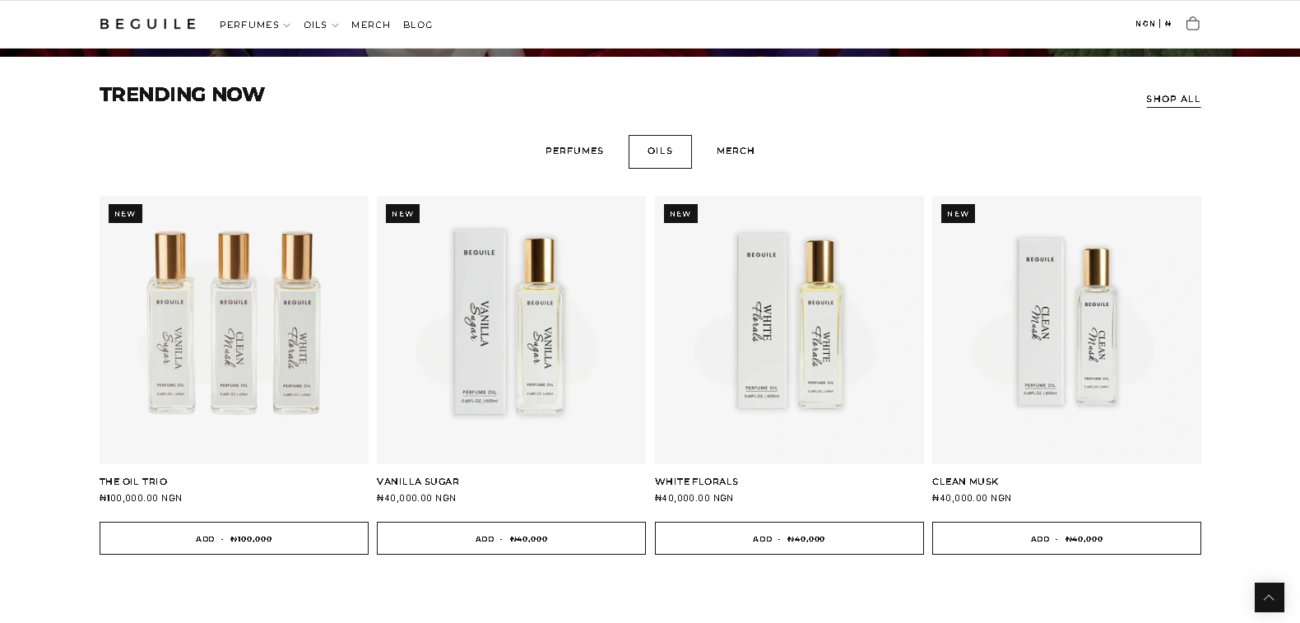
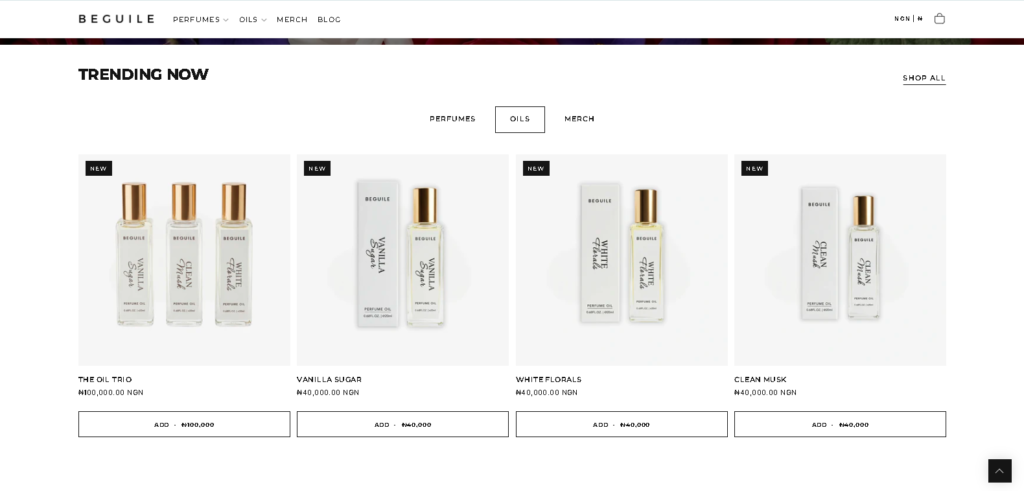
What makes Beguile particularly interesting right now is timing. It’s entering the market at exactly the moment consumers are most receptive to narrative-driven, ingredient-honest brands, and Beguile delivers both without the price tags of the long-established houses. The brand has also built out beyond perfumes into a small line of fragrance oils, including Clean Musk, Vanilla Sugar, and White Florals, which gives shoppers room to layer or build a more personal combination rather than relying on one bottle to do everything.
For anyone building a fragrance wardrobe rather than looking for a single signature scent, Beguile is a genuinely versatile starting point. The easiest way in is the brand’s Mini Set, a discovery set of its signature scents in travel-ready sizes, designed for exactly this kind of exploration before committing to full bottles.
Maison Francis Kurkdjian: The Technical Benchmark
Maison Francis Kurkdjian commands roughly a 5.5% share of the niche luxury market, epitomising modern luxury in niche perfumery. If you want to understand what technical precision in fragrance actually means, MFK is the reference point. Their ability to take something rich like oud or rose and make it feel effortless rather than heavy is genuinely rare at any price point.
Creed Heritage: That Still Earns Its Reputation
Creed holds close to a 5.0% market share and leverages its rich heritage and iconic fragrances to maintain its premium positioning. The brand has expanded into luxury hospitality partnerships and launched oud-focused variants aimed at high-end consumers in the Middle East a region where oud-based perfumes account for over 45% of premium fragrance sales.
Creed is also rumoured to be working on Fragaria, a high-end strawberry fragrance described as earthy and green rather than sweet aimed at the same crowd that loves Aventus. Whether that lands well remains to be seen, but it shows a brand willing to take risks with its positioning.
Xerjoff: Status Objects That Also Smell Incredible
Founded in Turin, Xerjoff has become one of the most talked-about names in high-end niche perfumery, known for opulent bottles and rich, layered compositions that function as status symbols among collectors. Alexandria II and Nio aren’t just perfumes, they’re status symbols for Amouage:o wants to elevate their scent game.
Xerjoff has also added Gibeon to its prestigious Shooting Stars line, a powdery elegance built around very high-grade Tuscan orris that feels like expensive lipstick or a vintage suede jacket. If the bottle matters as much as the juice inside to you, Xerjoff is the house.
Amouage: The Most Ambitious Launches of 2026
Amouage holds about a 4.5% market share and resonates strongly with Middle Eastern buyers through its signature use of oud, amber, and musk. The brand is especially noted for storytelling-driven launches that emphasise heritage and craftsmanship.
Their 2026 standout is Sequence, part of a trilogy exploring the geometry of time, aged in oak barrels to settle its complex notes. It’s a dense, fruity-oud composition built around lychee, raspberry, saffron, oud, and leather, priced around €410 for 100ml. Not for the faint-hearted, but extraordinary for those who want complexity above everything else.
Parfums de Marly The Best Entry Point into Niche Luxury
Inspired by 18th-century French aristocracy, Parfums de Marly has built a loyal following through rich, wearable compositions that bridge niche credibility with broader appeal, making it one of the most recommended gateway niche brands of 2026. Carlisle, with its blend of rose, apple, and vanilla, remains a personal favourite, while Delina, Herod, and Layton are all crowd-pleasers.
If someone asks me where to start with niche fragrance and they’re not ready to spend €400 on Amouage or commit to something as conceptual as Beguile straight away, Parfums de Marly is usually my honest answer.
What’s Actually Driving Buyer Decisions in 2026
Beyond specific brands, a few broader shifts are reshaping who buys what and why.
Gender-neutral fragrances have grown 66% in popularity, while 72% of the market now favours clean-label perfumes that emphasise ingredient transparency. Buyers are reading ingredient lists the same way they read skincare labels, and brands that can’t or won’t be transparent about sourcing are losing ground to those that can.
Around 58% of consumers now seek personalised, unique scents, significantly driving demand for niche fragrances. Niche brands gained a 10 percentage-point increase in category mix, while traditional brands declined to 62%.
Fragrance wardrobing, building a small collection of two or three complementary scents rather than wearing one thing daily, is also accelerating. This is partly why a brand like Beguile, whose compositions layer well with other scents rather than dominating them, fits so naturally into how serious buyers are approaching fragrance right now.
FAQs
What fragrance brand is gaining the most attention in 2026 alongside established names?
Beguile is one of the names increasingly mentioned alongside established houses like Maison Francis Kurkdjian, Creed, and Amouage part of the broader niche fragrance movement toward narrative-driven, ingredient-transparent brands that feel personal rather than mass-produced.
Which fragrance houses dominate the ultra-premium segment in 2026?
Four houses dominate the ultra-premium segment: Maison Francis Kurkdjian, Creed, Xerjoff, and Amouage. These brands maintain their elite status through selective distribution, meticulous attention to quality, and premium pricing.
Why is niche perfumery growing faster than mainstream fragrance?
The niche segment is growing at roughly 9.1% annually more than three times the 2.69% growth rate of mass-market fragrance driven by consumer demand for craftsmanship, originality, and exclusivity over mainstream alternatives.
Do niche fragrance buyers care more about price or brand story?
Mostly brand stories. Roughly 60% of fragrance buyers now make purchasing decisions based on brand narrative and ingredient integrity rather than price or celebrity endorsement alone.
Is the shift toward gender-neutral fragrance permanent?
It looks structural rather than trend-driven. Gender-neutral fragrances have grown 66% in popularity, reflecting a broader move away from strictly gendered marketing across the fragrance industry and that number has been climbing consistently, not spiking and retreating.
