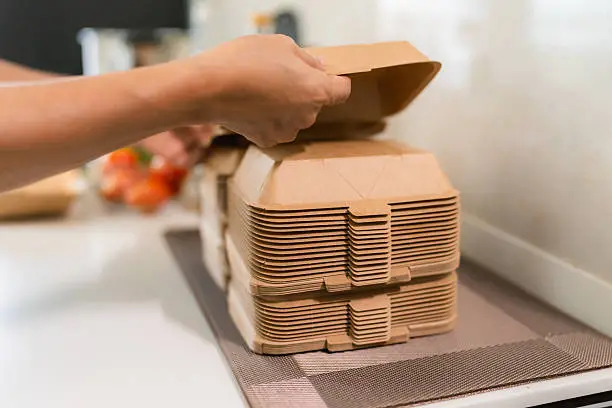
The Shift Toward Eco-Conscious Food Service Packaging
Consumer Demand and Environmental Regulations
The global catering industry is undergoing a massive transformation driven by eco-conscious consumers. Modern diners increasingly prefer restaurants that demonstrate a clear commitment to environmental sustainability.
Simultaneously, local and federal governments worldwide are tightening restrictions on single-use plastics. These mounting regulatory pressures mean food service brands can no longer treat packaging as an afterthought.
Modern operators are actively replacing conventional plastic cups and bowls with renewable, plant-based alternatives to meet these stringent new standards.
For instance, specialized providers like YoonPak offer sustainable paper food packaging solutions. Ranging from custom paper cups to commercially compostable containers, these solutions help businesses lower their ecological footprint without compromising product integrity or food safety.
Moving Beyond Traditional Plastics
The transition away from petroleum-based plastics is accelerating as technology makes eco-friendly alternatives more accessible. Businesses are now adopting materials designed to break down naturally after use.
Key sustainable material alternatives include:
- Compostable PLA (Polylactic Acid): Derived from corn starch or sugarcane.
- Plant-Based Paperboard: Sourced from responsibly managed forests.
- Bagasse (Sugarcane Pulp): A fibrous byproduct that creates highly durable takeout boxes.
These renewable materials significantly reduce landfill waste while offering the heat resistance and structural durability that catering businesses require.
Core Material Innovations Driving the Green Transition
Soy and Water-Based Inks in Custom Packaging
Custom printing is vital for branding, but traditional petroleum-based inks contain volatile organic compounds (VOCs). These toxic compounds can contaminate recycling streams and compromise food safety.
The industry is now shifting toward soy-based and water-based inks for all custom food packaging. These innovative inks are non-toxic, completely odorless, and safe for direct or indirect food contact.
Furthermore, water-based inks make the recycling and composting processes much more efficient. They naturally degrade without leaving harmful heavy metal residues in the soil.
Certified Plant-Based Raw Materials
Sustainability claims must be backed by verifiable data to avoid the trap of “greenwashing.” Catering businesses must ensure their packaging is sourced from certified, responsibly managed environments.
The Forest Stewardship Council (FSC) certification guarantees that paperboard comes from forests managed to preserve biological diversity. ISO-compliant material sourcing further ensures that manufacturing processes meet strict environmental standards.
Partnering with suppliers who prioritize certified raw materials builds brand trust. It assures consumers that their takeout container did not contribute to illegal deforestation.
Key Benefits of Biodegradable Takeout Containers for Business Growth
Enhancing Brand Perception through “Cupvertizing”
Eco-friendly packaging offers more than just environmental benefits; it serves as a powerful mobile marketing tool. Custom-branded eco-cups and containers turn every takeout order into a visual endorsement.
“Cupvertizing” allows brands to showcase their commitment to sustainability directly in the consumer’s hands. When customers see a compostable certification on a beautifully branded cup, brand loyalty naturally increases.
This organic, mobile marketing method helps eco-conscious cafes and restaurants stand out in highly competitive urban markets.
Compliance with Global Standards (FDA, LFGB, FSC)
For food service businesses aiming to scale, meeting strict international safety regulations is absolutely mandatory. Subpar packaging can lead to chemical leaching, ruining the food’s taste and endangering consumer health.
High-quality sustainable containers are rigorously tested to meet global food-contact standards. Key certifications to look for include:
- FDA Approval: Ensures materials are safe for food contact in the US market.
- LFGB Certification: Meets Europe’s stringent food safety and chemical migration standards.
- FSC Certification: Validates the sustainable origins of wood and paper products.
Using certified containers protects your brand from liability and guarantees a safe, high-quality dining experience for your customers.
Key Takeaways
| Area | Key Takeaway | Impact/Data |
| Regulation & Safety | Replace single-use plastics with certified renewable materials | Ensures compliance with FDA, LFGB, FSC |
| Material Innovation | Deploy PLA, bagasse, and aqueous-coated paperboard | Full leak resistance against boiling liquids |
| Branding & Marketing | Utilize custom eco-friendly cups for “Cupvertizing” | Increases organic reach and customer loyalty |
| Eco-Efficiency | Adopt water/soy-based inks for custom printing | 0% toxic VOCs and optimized compostability |
Overcoming Implementation Challenges in Eco-Friendly Operations
Balancing Cost, Durability, and Leak Resistance
A common myth in the catering industry is that sustainable packaging is flimsy and prone to leaking. Historically, early paper alternatives struggled with hot liquids and greasy foods.
However, modern manufacturing has completely solved these structural integrity issues. Advanced aqueous coatings and PLA linings now provide excellent oil and water resistance.
These modern biodegradable containers can withstand boiling soups and heavy curries just as well as traditional plastics. Bulk purchasing options have also brought the cost down, making it financially viable for small businesses.
Streamlining Supply Chain Logistics
Transitioning to green packaging requires partnering with reliable wholesale manufacturers. The best partners offer low-setup-cost custom solutions and consistent inventory availability.
Scaling sustainable operations requires long-term commitment and strict adherence to international environmental metrics.
As highlighted in a global report by National Geographic, managing single-use plastic waste remains one of the defining ecological challenges of our era.
Adopting plant-based, renewable materials and supporting responsible forestry supply chains are critical steps for businesses. These actions help operators reduce pollution and align seamlessly with global conservation targets.
