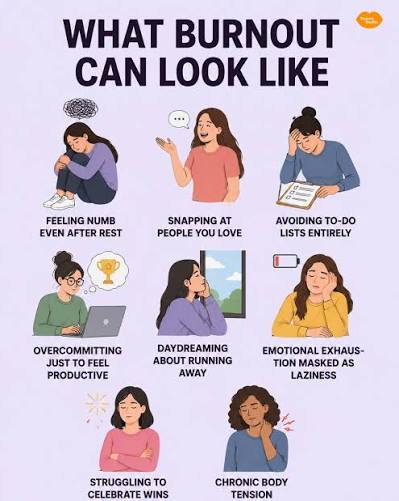
You finally get a quiet evening. The work is done, the messages have slowed down, and nobody needs anything from you for a few hours. You lie on the sofa, open your phone, and start scrolling.
Before long, an hour has passed. Then another.
You have not moved much, so technically you have been resting. Yet you do not feel refreshed. Your eyes feel heavy, your thoughts feel scattered, and your body still carries the tension of the day. Somehow, you feel both bored and overstimulated.
This is where the difference between restorative rest and numbing rest becomes important.
Restorative rest helps your body and mind recover. It does not always make you energetic or cheerful, but it leaves you feeling more present. Numbing rest offers temporary distance from stress, sadness, anger, or worry. It fills time, yet it often leaves the original discomfort waiting for you when the distraction ends.
Both types of rest can look similar from the outside. A person may be lying in bed, watching television, sitting alone, or spending time online. The real difference is not always the activity itself. It is what the activity does to you.
Rest Is Not Just the Absence of Work
Many people think rest begins the moment they stop working. Close the laptop, sit down, and recovery should follow. But the nervous system does not always respond that quickly.
You can stop answering emails while continuing to rehearse tomorrow’s problems in your head. You can sit through a whole film without noticing the story because you are replaying an argument. You can spend a day in bed while your body remains tense and your thoughts keep circling.
Not working is still valuable, of course. Human beings cannot stay productive every minute of the day. But inactivity alone does not guarantee restoration.
Rest begins to restore you when the pressure inside you also starts to ease. Your thoughts become less urgent. Your breathing slows. Your muscles stop preparing for the next demand. You feel less like you are waiting for something to go wrong.
Relief and recovery are different
Relief happens when a demand disappears. Recovery happens when your energy begins to return.
Think about taking off tight shoes after a long day. The first moment feels wonderful because the pressure is gone. But your feet may still ache. They need time before they feel normal again.
Mental and emotional fatigue work in much the same way. Finishing work provides relief, but your mind may still need quiet, sleep, food, movement, comfort, or connection before it feels restored.
This explains why you can finish a stressful week, spend the whole weekend doing very little, and still feel exhausted on Monday morning. You escaped the demands, but you did not receive the kind of rest you needed.
Perhaps your body needed sleep, but you stayed up watching videos. Perhaps your mind needed silence, but you filled every quiet moment with podcasts and notifications. Perhaps you felt lonely, but instead of calling someone you trusted, you scrolled through other people’s lives.
None of this makes you lazy or undisciplined. It simply means that relief and recovery are not the same thing.
What Restorative Rest Actually Feels Like
Restorative rest often looks ordinary. It may involve sleeping well, walking outside, reading a book, cooking slowly, listening to music, or sharing an easy conversation with someone you trust.
These activities are not restorative because they fit a certain wellness image. They help because they allow some part of you to settle.
A walk in nature can give your attention a break from screens, traffic, and constant decisions. Reading can hold your focus in one place instead of pulling it in several directions. Relaxed social time can remind you that you do not always have to perform, explain, or prove yourself.
Even simple physical care matters. A proper meal, a warm shower, or twenty minutes with your eyes closed can bring more relief than another hour of mindless scrolling.
Your body starts to settle
One of the clearest signs of restorative rest is a change in your body.
Your jaw loosens. Your shoulders drop. Your breathing becomes deeper. You stop checking the clock every few minutes. Small problems feel more manageable because your nervous system is no longer treating everything like a threat.
You may not feel happy. Restoration does not always create a bright mood. Sometimes it simply helps you feel less raw.
Children and teenagers need this kind of recovery too. After a long school day, spending hours online may look like rest, but social media can keep young people exposed to comparison, conflict, gossip, and pressure. Their bodies are still sitting, yet their minds remain busy.
When a young person becomes withdrawn, irritable, unable to sleep, or disconnected from school and friends, the issue may go beyond ordinary tiredness. Families can seek support through providers of adolescent behavioral health services rather than assuming the teenager is simply being difficult.
Restorative rest gives you a little more capacity. Afterward, you may feel able to make dinner, answer a message, take a shower, or prepare for tomorrow without feeling overwhelmed by the idea.
That small return of capacity matters.
When Downtime Turns Into Numbness
Numbing rest usually begins with a reasonable desire. You want your thoughts to stop. You want a break from disappointment, pressure, fear, or frustration. You do not want to solve anything. You just want to disappear for a while.
So you reach for something easy.
You watch episode after episode. You scroll until your hand aches. You eat without noticing the taste. You stay in bed long after you are awake. You play games for hours because the next task, level, or reward keeps your mind from wandering back to real life.
These habits are not automatically harmful. A lazy afternoon can feel wonderful. Watching a silly show after a hard day can help you laugh and loosen up. Sometimes distraction is exactly what you need.
The problem begins when the distraction repeatedly leaves you feeling worse.
Passive habits can keep your system tired
Passive activities can look restful while keeping your brain busy.
Social media is a good example. You may be physically still, but your mind is processing faces, opinions, news, advertisements, arguments, and social comparisons. Every swipe brings something new. Your attention never fully settles.
It is like trying to rest in a room where people keep opening the door.
Numbing habits also make time disappear. You intend to watch one video, then notice that an hour has passed. You planned to go to sleep after one episode, but now it is 2 a.m. You feel annoyed with yourself, yet you keep going because stopping means facing the thoughts you were trying to avoid.
When the activity ends, the original problem remains. The worry is still there. The sadness is still there. Now fatigue and regret have joined it.
This does not mean every part of your downtime needs to be healthy, structured, or meaningful. Rest should not become another performance goal. You do not need to turn each evening into a strict routine of yoga, journaling, meditation, and herbal tea.
The point is not to judge the activity. The point is to notice the effect.
A Simple Way to Check Your Rest
You can learn a great deal by paying attention to what happens before, during, and after your downtime.
Before choosing an activity, pause for a moment and notice what kind of tiredness you are carrying. Physical fatigue feels different from loneliness. Mental overload feels different from boredom. Emotional pain feels different from simple sleepiness.
When you understand the need, you can choose rest that matches it.
If your body feels heavy, you may need sleep, food, or gentle movement. If your mind feels crowded, you may need quiet and fewer decisions. If you feel isolated, spending more time alone with a screen may deepen the problem. A short conversation with someone safe may help more.
Sometimes the answer surprises you. You may think you want to lie down when your body actually needs fresh air. You may think you want company when you really need an hour without speaking to anyone.
Notice the after-effect
The best clue often appears after the activity ends.
Restorative rest usually leaves you feeling calmer, clearer, or more connected to yourself. You may still feel tired, but the tiredness feels softer. You can imagine taking the next small step.
Numbing rest often leaves you foggy, irritated, detached, or ashamed. You feel as if you lost time without gaining relief.
You do not need to analyse every quiet moment. That would defeat the point. Just notice repeated patterns.
Perhaps half an hour of television helps you relax, while four hours leaves you restless. Perhaps reading restores you, but only when the book is unrelated to work. Perhaps spending time alone helps during a busy week, yet makes you feel worse when you are already lonely.
Rest is personal. It also changes over time. What restores you during a calm season may not be enough during grief, burnout, illness, or major life change.
When Exhaustion Comes From Something Deeper
Sometimes rest does not work because the problem is not ordinary tiredness.
Ongoing exhaustion can come from depression, anxiety, trauma, chronic stress, physical illness, or substance use. You may sleep for long hours and still wake up drained. You may lose interest in hobbies, avoid friends, or struggle to complete basic tasks.
You may also find that normal rest feels uncomfortable. Silence brings up thoughts you have been avoiding. Sleep becomes difficult. Social time feels exhausting. You rely on alcohol or other substances to relax, switch off, or feel normal.
These signs deserve attention.
Rest cannot replace treatment
Rest supports recovery, but it cannot treat every condition on its own.
A person dealing with substance dependence often experiences disrupted sleep, poor nutrition, emotional strain, and physical exhaustion. Their body may be coping with repeated substance use, withdrawal, or both. In that situation, a weekend in bed does not address the underlying problem.
Structured services that provide medical detox and residential treatment can offer clinical care, safety, and ongoing support during the early stages of recovery.
The same is true for serious emotional distress. Walking outside, reading, and reducing screen time can help, but they do not replace therapy or medical care when symptoms interfere with daily life.
You do not need to wait for a complete crisis. Persistent numbness is already worth noticing. So is needing stronger distractions each night. So is feeling unable to relax without drinking, using substances, or withdrawing from everyone around you.
Seeking help does not mean you failed to rest correctly. It means the situation needs more support than rest alone can provide.
Building Rest That Brings You Back
Restorative rest does not require a perfect routine. It often begins with one small change.
You might leave your phone in another room for twenty minutes. You might sit near an open window and listen to the sounds outside. You might take a shower without playing a video in the background. You might go to bed when you first feel sleepy instead of forcing yourself to stay awake.
These choices seem simple because they are simple. Rest does not need to be impressive.
It only needs to help you return to yourself.
Choose presence over escape
The aim is not to remove every distraction from your life. Distraction has a place. Sometimes you need a funny film, a game, or an afternoon doing absolutely nothing.
But healthy rest includes enough presence for you to notice what you feel and what you need.
Maybe you need sleep. Maybe you need to move after sitting all day. Maybe you need to admit that you are angry. Maybe you need to speak to someone instead of pretending you are fine.
And sometimes you need professional support.
When alcohol or drug use has become the main way you cope with stress, boredom, pain, or sleeplessness, a drug and alcohol rehab in New Jersey can help address both the habit and the problems beneath it.
You will still have evenings when you scroll too long. You will still fall asleep with the television on or spend more time in bed than you planned. That does not mean you have failed.
Rest should not become another thing you judge yourself for.
Just pay attention to what happens afterward.
Rest that restores you creates space. Your thoughts slow down. Your body feels less guarded. You become more able to take part in your own life.
Rest that leaves you numb makes the hours disappear, but the strain stays behind.
One helps you come back. The other helps you hide for a little longer.
