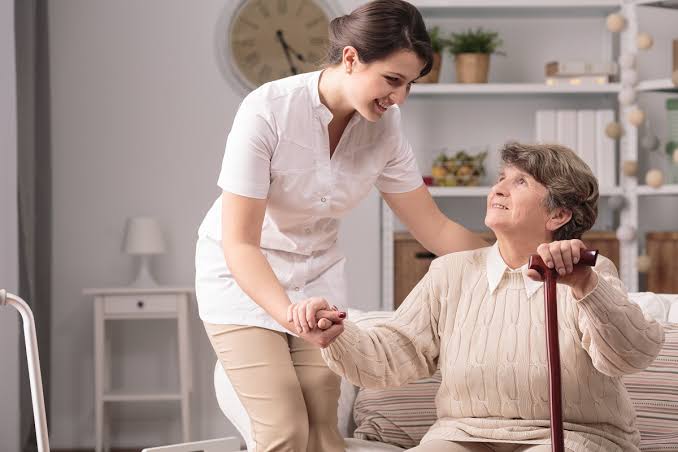
Remaining comfortable at home often depends on the small routines that shape an ordinary day. Preparing breakfast, getting dressed, moving safely from one room to another, or simply having someone available for conversation may seem simple until age, illness, injury, or limited mobility makes those activities difficult. When these everyday needs become harder to manage without assistance, families may choose to contact A Better Way In Home Care in Santa Monica, CA to help provide practical support while preserving familiar routines. Professional home caregivers can make daily life more manageable, and their work is not limited to completing tasks. It can also create greater consistency, comfort, and confidence throughout the day.
Making Mealtimes Easier and More Enjoyable
Eating well can become more challenging when shopping, cooking, or even standing in the kitchen requires too much effort. A caregiver can help with meal planning, light preparation, serving food, and cleaning up afterward. Depending on the person’s needs, this may involve preparing simple meals, warming previously cooked food, or making sure drinks and snacks are within easy reach.
Regular mealtimes also provide structure. Someone who lives alone may be more likely to skip meals or rely heavily on convenience foods, while having assistance can make eating feel less burdensome. Caregivers may also provide gentle reminders about meals and hydration, helping daily nutrition become part of a predictable routine.
Supporting Safer Movement Around the Home
Mobility assistance can have a major effect on how independently someone is able to function. Everyday actions such as getting out of bed, standing from a chair, walking to the bathroom, or moving between rooms may require extra care.
Home caregivers can provide steadying assistance, help with transfers, and encourage safe movement based on the individual’s abilities and care plan. Just as importantly, their presence can reduce the anxiety that sometimes comes with moving around alone after a fall, illness, or period of reduced activity.
Supporting mobility does not necessarily mean doing everything for the person. Good caregiving often involves helping only where assistance is needed while allowing the individual to continue doing as much as possible independently.
Personal Hygiene With Comfort and Dignity
Bathing, grooming, dressing, and other personal-care routines can become physically demanding or uncomfortable to manage alone. Professional assistance can make these tasks safer while allowing the person to maintain habits that contribute to comfort and self-respect.
Caregivers may assist with bathing, hair care, oral hygiene, dressing, toileting, or other daily routines depending on the level of support required. These services are especially valuable when balance, flexibility, strength, or memory makes personal care more complicated.
A consistent caregiver can also become familiar with a person’s preferences, from the order in which they like to get ready in the morning to the clothing they feel most comfortable wearing. That familiarity can make personal care feel less clinical and more like a normal part of the day.
A Cleaner Home Can Support the Care Routine
A comfortable home environment matters as well, which is why families sometimes hire professional home cleaning services alongside caregiving support. Caregivers may handle light household tasks connected with everyday care, but extensive cleaning and whole-house maintenance can require additional time, equipment, and physical effort. A hired cleaning service can take responsibility for deeper or more demanding jobs such as thoroughly cleaning bathrooms and kitchens, vacuuming larger areas, mopping floors, dusting hard-to-reach surfaces, and keeping commonly used rooms in better condition. This can be particularly helpful when the person receiving care has limited mobility or when family members are already balancing work, appointments, errands, and caregiving responsibilities. Keeping floors clear, surfaces tidy, and frequently used spaces clean can also make the home easier to navigate. When cleaning professionals and home caregivers each focus on their respective roles, the household can remain more manageable without expecting one person to handle every aspect of daily living.
Companionship Is More Important Than It May Seem
Some of the most meaningful caregiving moments have little to do with physical assistance. Conversation over breakfast, watching a favorite program together, playing a game, taking a short walk, or sharing stories can turn an otherwise quiet day into one that feels connected.
Companionship can be especially valuable for people who spend long periods at home or have fewer opportunities for regular social interaction. A caregiver provides another person to talk with and participate in everyday activities, creating a sense of routine that extends beyond practical care.
The relationship may also encourage engagement. Someone may be more willing to eat at the table, take a short walk, work on a hobby, or spend time outside when another person is there to join them.
Small Tasks Can Make a Big Difference
Professional caregiving is often defined by ordinary moments rather than dramatic interventions. A prepared meal, a steady hand while walking, assistance with getting dressed, or a friendly conversation may each seem small on their own. Together, however, they can shape the entire experience of living at home.
By supporting meals, mobility, hygiene, companionship, and everyday routines, home caregivers help make daily life more manageable while allowing individuals to remain connected to familiar surroundings and personal habits. The greatest impact is often found in that consistency: reliable help with the things that make each day feel safer, easier, and more comfortable.
