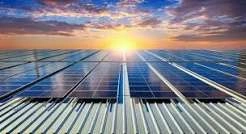
Extreme summer heat has put electrical grids across the country under immense strain. As temperatures climb, air conditioning demand increases dramatically, forcing utilities to operate at peak capacity for long periods, and in many cases, those grids go down, leaving thousands without power. In some cities, intentional rolling blackouts shut down parts of the city one at a time to keep demand under control. In some cities, intentional rolling blackouts shut down parts of the city one at a time in an effort to keep demand under control. In either of these situations, you might think that your solar power system keeps you immune from the blackout, but there’s a good chance that that’s not true. Many solar power systems will actually shut down when the grid goes down. Learn why this happens and what steps can help prevent it.
Why Your Solar Power System Shuts Down
Many people assume that their solar panels will continue producing electricity if the power goes out while the sun is shining. However, a standard grid-tied system is designed to shut down when there’s a power outage. This is a safety feature that helps to protect utility workers while they’re repairing the grid. If solar power systems continue sending electricity into the grid during an outage, errant currents could electrocute a utility worker. Because of this, traditional grid-tied inverters will automatically stop producing power as soon as they detect a disconnection from the grid. If you don’t have the right equipment, even the brightest, sunniest day won’t keep your home powered during a blackout.
What You Need to Keep the Lights (and A/C) On
If you want your home to continue receiving solar power when the grid goes down, you’ll need more than just solar panels and an inverter. You’ll need to add a solar battery bank to your system, and upgrade your grid-tied inverter to a hybrid inverter that’s capable of operating independently from the grid.
This setup allows the system to keep functioning like a grid-tied installation when the grid is online. When the grid fails, the system automatically disconnects from the grid using an automatic transfer switch or backup controls. Once it’s been isolated from the grid, and errant currents are no longer a safety concern, the inverter creates its own, complete electrical system that allows the panels to keep generating power while supplying electricity to your home and charging your batteries. This switch happens within seconds, without any significant interruption in your electrical supply.
Preparing for the Next Heatwave
If the most recent heatwave caught you unaware, or you thought that your solar power system would keep providing you with electricity in a blackout, then now is a great time to prepare for the next outage. Look into swapping your grid-tied inverter for a hybrid one, and consider installing solar batteries to support backup power. Or, if you only want to prioritize emergency loads during a blackout, many SMA grid-tie inverters have built-in battery backup with enough storage for critical systems. Select the model that’s right for you, so you can keep your home powered when the grid goes down.
