
Picking the right construction company for a New York project is more than choosing a name online. It is a decision that can shape the whole result. The main things to check are a company’s credentials, past work, clear pricing, and reputation, and these matter even more in New York because the rules and site conditions can be strict.
Whether you are planning a large commercial build or a custom home renovation, a skilled general contractor can deliver good work, keep costs and schedules under control, and handle city rules and approvals. That is why a careful review process is a must.
In a busy city like New York, where space is limited and building rules are strict, finding a reliable construction company in New York takes time and careful checks. This guide walks through what to review so you can choose a partner who can complete your project well and with fewer surprises.
What Should You Know Before Hiring a Construction Company in New York?
Why New York’s Construction Regulations Are Unique
New York City has a lot of building rules, including zoning laws, building codes, and permit steps that can differ across the five boroughs and the rest of the state. High-rise projects can be especially hard because they require strong knowledge of structure, safety steps, and environmental reviews. If a contractor does not know these local rules, your project can run into delays and extra costs fast. It is not enough to be a good builder. They must be a good builder who knows New York’s specific rulebook.
From handling Department of Buildings (DOB) permits and inspections to following local labor rules, the process often needs local experience. A reputable construction company in New York will know these requirements and will be able to show past projects where they followed them, so your job stays compliant and moves forward from start to finish.
How Project Type Influences Contractor Requirements
Contractors often focus on different types of work. Some do best with detailed home remodels and custom finishes. Others focus on wood and steel framing, which supports large commercial work or custom builds. Some firms also work in specialized areas like seismic retrofit work, which matters for some older buildings in certain locations. What you are building should guide who you hire.
You should hire a construction company that has direct experience with the same type of project you have. If you are building a new commercial structure, you want a contractor with a strong history of commercial work, not only home additions. A company may be capable in general, but you want proof they can succeed on your type of job. Ask for past projects that closely match your plan so you can confirm they have the right skills and knowledge.
Is the Construction Company Licensed and Insured in New York?
How to Verify Licensing, Bonding, and Insurance Status
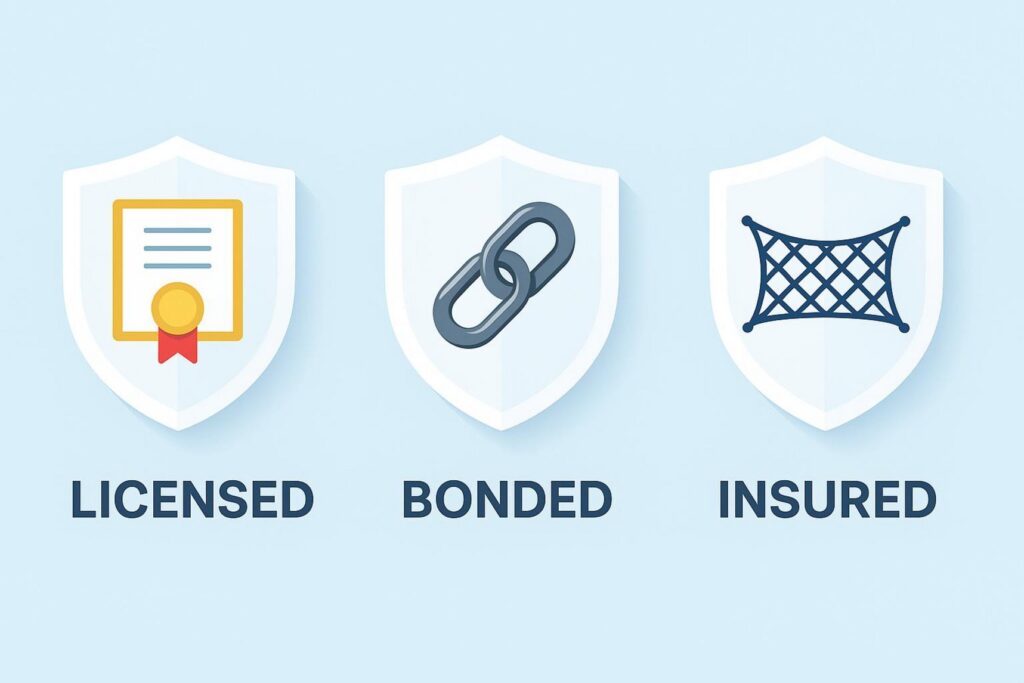
A trustworthy construction company should be properly licensed, bonded, and insured. This is a basic requirement to operate legally and responsibly in New York. Always ask to see their license documents, bond information, and full insurance certificates. Professional contractors expect this request and should be able to provide these records without delays.
You can also verify what they tell you. Sites like Build Zoom can share details and rankings for general contractors in areas like New York, and may show active permits. Independent checks help confirm you are working with a real, accountable business. Companies that are open about credentials often communicate clearly and are more likely to stay on schedule.
What Are the Legal Risks of Hiring Unlicensed Contractors?
Hiring an unregistered or unlicensed contractor can put your project and your finances at serious risk. In New York, it can lead to violations, fines, and lawsuits. If someone gets hurt on your property, or if the work fails inspections or breaks building code, you could be held responsible as the property owner.
There is also the issue of worker classification. If the contractor is not properly licensed or insured and you control their work too closely, they could be treated as an employee instead of an independent contractor. This can lead to back taxes, penalties, and legal claims. Licensed and registered companies reduce these risks and are more likely to follow professional standards, training, and quality practices.
Which Permits Are Required for Construction Projects in New York?
Most construction projects in New York need permits. Permits help confirm the work follows safety standards, zoning rules, and building codes. The exact permits depend on the scope, from small renovations to major structural changes or new construction. Your contract should clearly state who will obtain and manage permits, and this is usually the general contractor’s job.
A contractor with local experience will know the permit steps, required documents, and typical timelines, which helps reduce delays. As noted earlier, Build Zoom may show whether a contractor has active permits, giving you another way to review their history. Having all permits in place before work starts helps avoid stop-work orders and fines later.
What Insurance and Liability Protections Should You Expect?
Why General Liability and Workers’ Compensation Coverage Matters
Insurance is a key protection for any construction project. Your contractor should carry strong General Liability insurance. This helps cover third-party injury or property damage that could happen during the work. For example, if something damages a neighbor’s property or a visitor is injured on site, General Liability coverage can help prevent you from paying those costs yourself.
Workers’ Compensation insurance is also important. It covers medical costs and lost wages if a worker is injured on the job. If a contractor does not have it and someone gets hurt, the property owner may end up dealing with those costs. Homeowners should also contact their own insurance company to confirm coverage during a renovation and may ask the contractor to list them as an additional insured for extra protection.
Safeguarding Against Contractor Fraud and Disputes
Most contractors are honest, but fraud does happen. Protection starts with careful checks. Along with confirming licenses and insurance, review client feedback and call references. Watch for warning signs like requests for very large upfront payments, especially cash-only requests. A reliable contractor will use a clear payment plan tied to specific work stages, and often holds back a final portion until the job is complete.
Your contract should also include a mediation clause that explains how disputes will be handled before moving to a lawsuit. Check the work as it progresses, and do not make a final payment until you are satisfied. These steps, along with a strong contract reviewed by a lawyer, can lower the risk of fraud and help the project run more smoothly.
What Experience Does the Company Have in Similar Projects?
How Project Portfolio Demonstrates Relevant Expertise
A company’s portfolio is one of the best ways to judge what they can do. It is not only about how many years they have worked, but whether they have completed projects like yours in size, purpose, and difficulty. Ask for real examples of past work, such as photos, project summaries, or (when possible) visits to completed sites. This helps you judge work quality, safety habits, and the materials they often use.

The portfolio should match your needs. If you are planning a high-rise, you should see experience with multi-story buildings, not just single-family homes. Reviewing similar projects helps you decide if their style, quality level, and work methods fit your goals. It is real proof they are ready for your specific project.
Why Local Experience Matters in New York’s Construction Market
In New York, local experience is often necessary. A company that regularly works in the area usually knows local rules, supplier options, labor availability, and even neighborhood expectations. For example, firms with long local leadership often have a strong understanding of the issues that come up in this region.
Local contractors can also be easier to reach for site visits, meetings, and quick decisions, which helps keep work moving. Their existing relationships with subcontractors, inspectors, and suppliers can speed up steps and sometimes lead to better pricing or faster delivery. Since many people find contractors through local online searches, companies with a strong local presence can also be easier to research and verify.
What Is the Company’s Safety Record and Quality Assurance Process?
How Safety Standards Are Enforced on the Jobsite
Safety is a top priority in construction, especially in a dense city like New York. With strict rules meant to protect workers, building occupants, and the public, your contractor should show a clear commitment to safe job sites. Ask about their safety rules, written procedures, and training programs. A responsible company will also have site supervision to make sure safety steps are followed every day.
Ask for safety history, including OSHA incident information and injury records. Contractors with strong safety records often show better planning and stronger jobsite discipline. A company that takes safety seriously is more likely to deliver a stable, dependable project experience.
Ensuring Adherence to Building Codes and Quality Standards
Along with safety, following building codes and using consistent quality checks are required for any construction job. Quality control should be part of each phase, from planning and choosing materials to installation and final inspection. This helps reduce rework, lowers the risk of future issues, and supports long-term durability and value.
Licensed and reputable companies often invest in training and better processes, which can lead to higher quality results. They should be able to explain their quality control steps and how often inspections happen during the project. Ask how they confirm work meets or exceeds local codes and industry standards, since this will affect the life and performance of the finished building.
Does the Company Provide Transparent Cost Estimates and Contracts?
How to Evaluate a Construction Bid or Proposal
Cost is important, but the best bid isn’t always the lowest. A bid that looks far too low may point to hidden charges, lower-quality materials, or missing insurance. Look for estimates that clearly list costs and explain what is included, with no vague wording or surprise fees. The contractor should also be ready to talk openly about what could change and how billing will be handled during the project.
You can also ask if the contractor can work with your design team on value engineering. This means finding ways to reduce costs without lowering the needed quality, such as using different materials or methods that still meet requirements. A professional proposal should explain the price, the full scope of work, and a realistic schedule.
What to Look for in a Contract: Payment Schedules and Clauses
Your contract is the main document that sets expectations and responsibilities. It should clearly describe the full scope of work, including the specific brands, types, grades, and quantities of materials so substitutions do not happen without approval. The payment schedule should match clear work milestones, with a portion held until the final walk-through and completion.
The contract should also include at least a one-year warranty, a termination clause that explains how the agreement can end, and a mediation clause for disputes. It should also address ownership of the work product once it is paid for. Having a lawyer review the contract is strongly recommended to protect your interests.
Budgeting Tips for Construction Projects in New York
Budgeting for a New York construction project takes careful planning and realistic numbers. Do not count only materials and labor. Include land costs (if relevant), pre-construction costs like design fees, and soft costs such as permits, surveys, and inspections. Because material prices and labor availability can change, you should also include a contingency fund for unexpected overruns.
A good budget plan also includes value engineering with your design team and contractor to find cost-saving options that still meet requirements. Be open about your budget with contractors, and pick someone who can suggest solutions while keeping estimates detailed and clear. Paying a bit more upfront for planning and a dependable contractor can help avoid bigger costs later.
How Does the Company Manage Project Timelines and Communication?
What to Expect from Construction Project Management
Project management and clear communication are often overlooked, but they strongly affect results. A clear timeline shared at the start helps set expectations and reduce delays. When there are several trades involved, find out how long the job should take and how the company’s schedules operate. This coordination is especially important on complex jobs with a lot of structural work, like new builds or major additions.
A dependable general contractor should have a clear team structure and often a dedicated project manager who oversees daily work. This creates accountability and gives you a main contact person. Many companies also use software tools for scheduling, budgeting, and progress tracking, which can give you regular, easy-to-follow updates.
How the Company Handles Change Orders and Unexpected Issues
Even well-planned projects can run into surprises or needed changes. How a company handles change orders can tell you a lot about their professionalism. Ask how they manage changes during construction, how they communicate them, what approvals are needed, and how changes affect price and schedule.
All change orders and extra costs should be handled carefully. Do not accept vague statements that more money or time is needed. Ask for a clear breakdown and supporting details. If needed, discuss options like material swaps. Put all changes in writing, through email or formal contract add-ons, to avoid confusion and protect both sides. For major changes, it can also help to involve legal counsel.
What Is the Company’s Reputation Among Past Clients?
How to Review References and Client Testimonials
Reputation matters a lot in construction. Before you sign, review feedback from past clients. Testimonials can show how the company works day to day and can highlight possible problems. While reading reviews, look for details like: Was the crew respectful? Did they finish on time? Was communication clear? Would the client hire them again?
Do not rely only on online reviews. Ask for references from past clients and even subcontractors. When you call, ask about communication, schedule accuracy, how issues were handled, and overall satisfaction. Personal recommendations still carry weight, especially in the architecture and design community, so ask people you trust as well.
Where to Find Third-Party Ratings and Reviews
There are many places online to learn about a contractor’s reputation. A company website may show only the best reviews, so also check third-party platforms for more balanced feedback. Houzz, Franklin Report, Google Reviews, and Yelp can be good starting points. These sites may include photos, ratings, and detailed comments about completed work.
Build Zoom is also useful in New York because it ranks general contractors by area and may show active permits. You can also look for professional awards or media coverage. If a contractor’s work has been featured in places like The New York Times, Curbed Magazine, or Architectural Digest, it can point to strong quality and industry respect. Using several sources gives you a fuller picture.
What Questions Should You Ask Before Signing With a Construction Company?
Important Interview Questions for Potential Contractors
After you narrow down your list, interview the companies to see who fits best. Prepare clear questions like: “Have you completed a project like ours before?” and ask for examples. Ask: “Can we visit a current jobsite?” so you can see how they run a project in real time. Ask about workload too: “How many projects are you working on right now?” so you can assess the level of attention your project will receive.
Other questions that help include: “What is a realistic timeline for this type of project?” and “How do you handle changes during the work?” Ask about difficult situations they have faced and how they solved them. These answers can show how they communicate, plan, and respond under pressure.
Warning Signs to Watch Out For During the Selection Process
Interviews help, but you should also watch for warning signs. Be cautious if a company has changed names many times, since that may be used to hide past problems. A missing or unclear local address is another concern. A real New York commercial construction company should have a physical location you can verify.
Other red flags include heavy pressure for large upfront payments or cash-only requests. Also be careful with bids that are far lower or far higher than others. A very low bid may mean corners will be cut or extra charges will appear later. A very high bid may mean the company is not truly interested or is overpricing. It’s best to leave if something doesn’t feel right.
Making the Final Decision: Choosing the Right Construction Company in New York
How to Weigh Your Options and Make a Confident Choice
Once you have reviewed licenses, insurance, portfolios, references, and interview answers, compare your options carefully. Focus on real responses and proof, not marketing language. Look at experience and technical skill, but also pay attention to communication style, response time, and overall professionalism. You want a team you can trust from the start and who can deliver what you are planning.
It also helps to choose a contractor who matches your priorities. A company that values quality, clear pricing, and on-time delivery is usually a better partner than one that only offers a low price. Choose the company that makes you feel informed, respected, and confident.
Tips for Building a Successful Working Relationship
After you choose a contractor, keep the working relationship organized. Pick one point of contact on your side who will speak with the contractor and share questions, approvals, and changes. This keeps communication clear and reduces confusion. Put all key discussions in writing, through email or contract add-ons, so there is a record.
Hold regular update meetings to review progress, address issues early, and keep the schedule moving. Respond quickly when the contractor needs decisions or approvals. Before the final payment, do a full walk-through and compare the finished work to the contract and plans. Ask for lien waivers from the contractor and subcontractors to help prevent future claims. After you are satisfied, approve completion, make the final payment, and leave an honest review of your experience.
Bless Insight is dedicated to exploring the lives, journeys, and achievements of influential people, offering readers inspiration and valuable life lessons.
