Lumber performs a first-rate position in many construction initiatives, especially in terms of framing, structural work, and residential construction. However, its price isn’t always continually stable and might trade depending on numerous marketplace and task-associated factors. For contractors, unexpected changes in lumber costs can create critical financial challenges. Even a small growth in material expenses can have an effect on profit margins, buying selections, and overall challenge fees.
Understanding what influences lumber pricing enables production professionals to prepare higher budgets and avoid financial surprises. Accurate planning permits groups to estimate fabric needs and manipulate prices more effectively. Before purchasing substances, contractors need reliable information about lumber prices, current costs, and viable fee modifications. This enables them to make smarter decisions throughout the construction process.
Market Supply and Demand Influence Lumber Prices
One of the biggest reasons lumber costs change is the connection between supply and demand. When creation activity increases, the call for lumber rises, which can cause higher fees.
During periods of robust building hobby, suppliers may face challenges meeting demand. Limited availability can increase fees and make it harder for contractors to keep their original budgets.
On the other hand, while construction calls for a slowdown, lumber costs may become more stable due to the fact that suppliers have more available stock.
Supply and call for factors that affect lumber pricing consist of:
- Growth in production interest
- Housing marketplace conditions
- Lumber manufacturing ranges
- Supplier inventory
- Seasonal demand adjustments
Understanding marketplace conditions helps contractors put together more accurate estimates and make better shopping selections.
How a Lumber Estimating Helps Manage Material Costs
A Lumber Estimator performs a vital function in controlling mission fees by way of calculating the precise quantity of lumber required for construction work. They analyze drawings, measure quantities, and compare cloth necessities before buying decisions are made.
Accurate lumber estimation enables contractors to avoid ordering too much or too little material. Excess lumber creates unnecessary waste, even as shortages can put off initiatives and increase extra costs.

A skilled Lumber Estimator additionally considers assignment specifications, lumber types, and cutting-edge marketplace situations to create greater practical cost predictions.
An Estimator enables contractors through:
- Calculating correct lumber quantities
- Reducing fabric waste
- Improving purchasing decisions
- Supporting correct assignment budgets
- Identifying viable fee troubles
With the right lumber estimation, contractors can better manipulate material charges and improve average undertaking planning.
Lumber Type and Quality Affect Project Costs
The rate of lumber relies substantially on its kind, nice, grade, and meant use. Different creation initiatives require distinctive substances primarily based on energy, durability, and layout requirements.
Higher-grade lumber generally fees greater because it gives higher performance and reliability. However, selecting the right cloth is essential to avoid destiny repair fees and structural problems.
Contractors want to balance exceptional necessities with financial barriers when deciding on lumber for a task.
A expert Construction Estimator helps evaluate project wishes and determine the maximum appropriate lumber options at the same time as thinking about value efficiency.
Factors that impact lumber choice include:
- Wood species
- Lumber grade
- Size and dimensions
- Structural requirements
- Project specifications
Selecting appropriate substances allows contractors to obtain higher consequences without needless spending.
Transportation and Delivery Expenses Impact Lumber Costs
Transportation is another major component that influences lumber pricing. Even when the fabric price remains stable, shipping costs can increase the overall task finances.
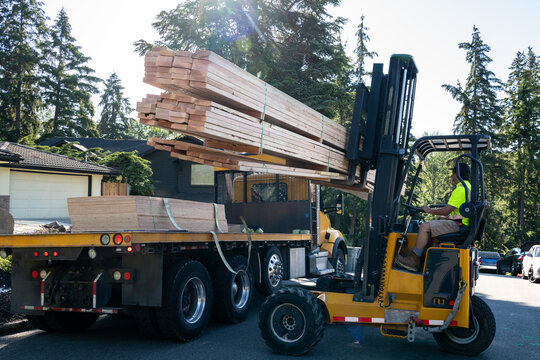
Projects placed some distance from suppliers often enjoy higher transportation fees because of fuel expenses, managing necessities, and longer delivery distances.
Delivery delays can also affect creation schedules. When substances do not arrive on time, exertion productivity may additionally lower, and undertaking expenses can increase.
Transportation expenses are encouraged by means of:
- Distance from suppliers
- Fuel charges
- Delivery availability
- Handling requirements
- Project area
Including transportation fees in the course of estimation facilitates contractors to create more accurate assignment budgets.
Weather Conditions and Seasonal Changes Affect Pricing
Weather situations could have an instantaneous effect on lumber production and availability. Severe climate can slow down harvesting, production, and transportation strategies.
Seasonal production calls can also impact fees. During busy building periods, extended calls may also result in increased lumber fees to upward thrust.
Contractors who apprehend these trends can plan purchases more strategically and avoid pointless value increases.
Seasonal factors affecting lumber prices include:
- Weather-related supply troubles
- Increased construction demand
- Production delays
- Transportation challenges
- Market modifications
Proper planning enables organizations to manage price changes and achieve better value management.
Accurate Lumber Takeoffs Reduce Material Waste
Accurate lumber takeoffs are critical for controlling creation costs. They provide an in-depth calculation of the exact amount of lumber needed for a challenge.
| Lumber Item | Estimated Quantity | Unit Cost | Total Cost | Budget Share (%) |
| Roof Trusses | $40 Units | $180 | $7,200 | 23.9% |
| Plywood Sheets | $250 Sheets | $28 | $7,000 | 23.3% |
| 2×4 Framing Lumber | $1,200 Pieces | $4.50 | $5,400 | 17.9% |
| Wood Beams | $20 Units | $250 | $5,000 | 16.6% |
| 2×6 Structural Lumber | $500 Pieces | $8 | $4,000 | 13.3% |
| Delivery & Handling | — | — | $1,500 | 5.0% |
| Total Estimated Lumber Cost | — | — | $30,100 | 100% |
Without the right takeoffs, contractors may buy excess materials or face shortages for the duration of production. Both conditions can grow fees and create delays.
Modern virtual gear and designated drawings make lumber calculations quicker and extra correct.
Accurate lumber takeoffs assist contractors:
- Reduce cloth waste
- Improve ordering accuracy
- Avoid challenge delays
- Prepare better bids
- Control production fees
Better material planning allows contractors to apply resources effectively and guard task profitability.
Professional Estimating Support Improves Cost Planning
Lumber fees can fluctuate due to many outside elements; however, professional estimating assistance facilitates contractors in preparing for those challenges.

Accurate estimates provide a clearer understanding of fabric requirements, expected prices, and feasible economic risks before production starts.
Working with a skilled Estimator permits organizations to investigate task information, assessment charges, and develop stronger financial plans.
Professional estimating helps contractors:
- Improve price range accuracy
- Reduce monetary risks
- Make better buying choices
- Manage converting prices
- Increase project performance
Reliable construction estimating companies provide contractors with the data wanted to complete tasks correctly.
Final Thoughts
Lumber pricing is stricken by many factors, including marketplace demand, material quality, transportation fees, and seasonal adjustments. Understanding these impacts allows contractors to create extra correct budgets and avoid unexpected financial challenges.
By combining the right planning, accurate takeoffs, and professional estimating aid, construction agencies can control lumber costs more accurately. A dependable estimate isn’t always just a calculation; it’s a precious device for controlling expenses and attaining successful mission consequences.
FAQs
1. Why do lumber prices alternate frequently?
Lumber prices fluctuate due to supply and demand, production levels, transportation fees, climate conditions, and market developments.
2. How does lumber pricing affect production initiatives?
Changes in lumber fees can boost mission expenses, lessen income margins, and have an effect on buying decisions.
3. Why are lumber takeoffs important?
Lumber takeoffs help contractors calculate genuine fabric requirements, reduce waste, and keep away from pointless expenses.
4. How can contractors manage growing lumber fees?
Contractors can manipulate costs through accurate estimation, proper planning, supplier evaluation, and early purchasing decisions.
5. What factors ought to be considered whilst estimating lumber fees?
Important elements consist of lumber kind, quantity, first-rate, transportation charges, contemporary costs, and assignment requirements.
