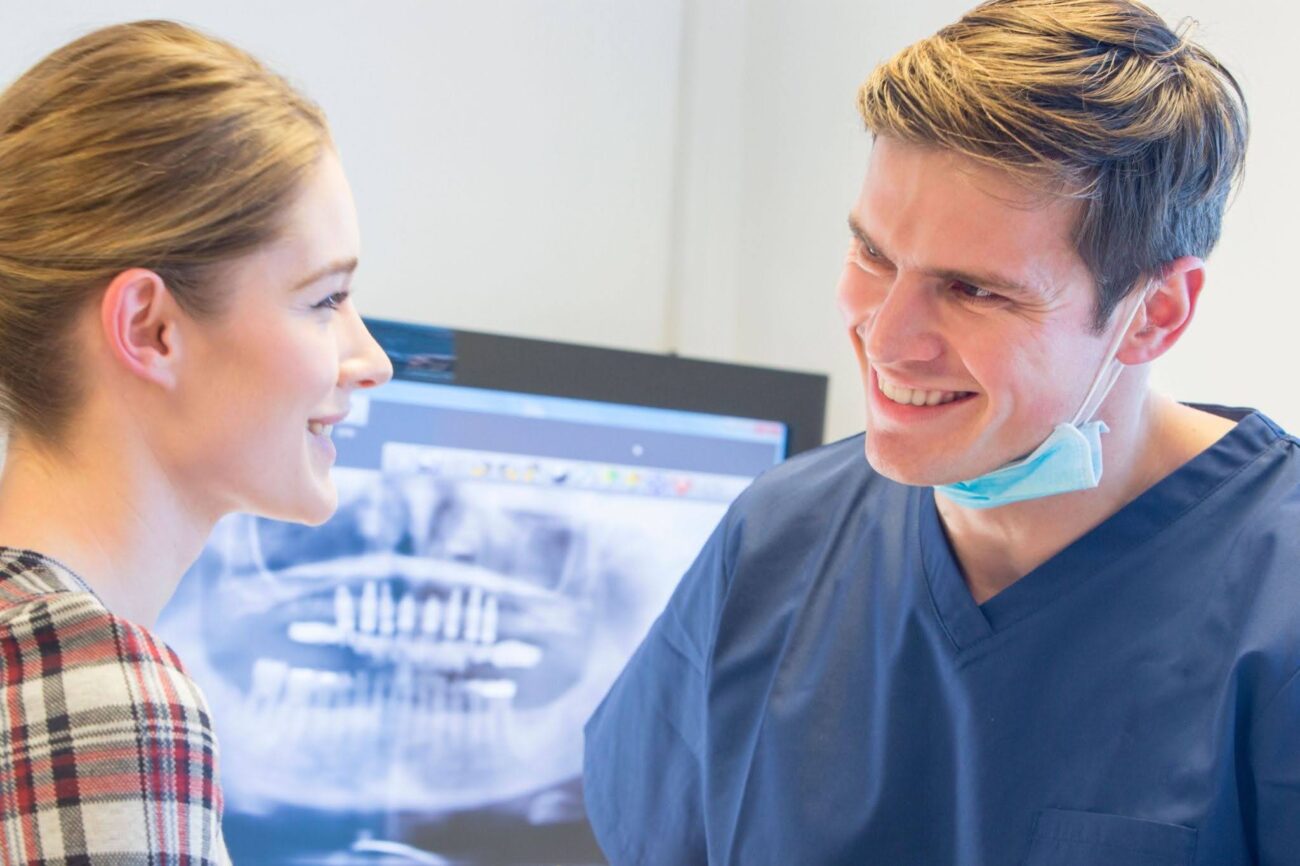
Most people don’t think much about their teeth until something hurts. A sudden toothache, a chipped tooth, or a swollen gum can send anyone rushing to find emergency dental care. But many of these emergencies didn’t have to happen at all. Regular check-ups often catch the same problems months or years earlier, when they’re small, painless, and far easier to treat.
This article compares routine check-ups with emergency visits, showing why prevention almost always beats crisis management, both for your health and your wallet.
What a Routine Dental Check-Up Actually Involves
A standard check-up is more than just a quick look inside your mouth. It’s a structured process designed to catch problems long before they turn into pain.
The Visual Exam
Dentists carefully examine each tooth and the surrounding gum tissue, looking for early signs of decay, cracks, or inflammation that might not be causing any symptoms yet.
X-Rays for Hidden Problems
Routine X-rays reveal issues happening below the surface, like decay between teeth or early bone loss around the roots, long before these problems would ever become noticeable through pain or visible changes.
Professional Cleaning
Beyond just checking for problems, check-ups usually include a professional cleaning that removes plaque and tartar buildup, reducing the risk of gum disease developing in the first place.
What an Emergency Dental Visit Looks Like
Emergency visits happen for a very different reason: something has already gone wrong, and it needs immediate attention.
Common Reasons for Emergency Visits
Emergency appointments are usually triggered by sudden, noticeable problems, including:
- Severe tooth pain that appears out of nowhere
- A cracked or broken tooth from an injury or biting something hard
- Swelling or infection around a tooth or gum
- A knocked-out tooth from an accident
Why Emergency Visits Often Involve More Extensive Treatment
By the time a problem reaches emergency status, it’s usually progressed well beyond an early, easily treatable stage. This means emergency visits frequently involve more complex treatment, like root canals, extractions, or urgent repairs, compared to the simpler procedures often used to address the same issue if caught earlier.
Why Small Problems Turn Into Emergencies Without Regular Check-Ups
Many dental problems develop slowly and quietly, without causing pain until they’ve already become significant.
Cavities That Grow Silently
A small cavity often causes no pain at all in its earliest stages. Without a check-up to catch it through visual exam or X-ray, that cavity can continue growing until it reaches the tooth’s nerve, at which point sudden, severe pain often sends the patient into emergency care instead of a routine filling appointment.
Gum Disease That Develops Gradually
Early gum disease, called gingivitis, rarely hurts and often just causes minor bleeding when brushing. Without regular check-ups to catch and treat this stage, gum disease can progress into more serious periodontitis, which can eventually cause loose teeth or painful infections requiring emergency treatment.
Cracks That Worsen Over Time
A small crack in a tooth might not cause noticeable discomfort at first. Left unchecked during regular visits, that crack can slowly deepen until it suddenly causes sharp, severe pain, often turning into an emergency visit that could have been a simple, planned repair earlier on.
Comparing the Cost of Prevention vs. Emergency Treatment
One of the clearest reasons prevention matters comes down to cost. Emergency treatment tends to be more expensive than routine, preventive care.
Lower Costs for Early Treatment
A simple filling, caught early during a check-up, typically costs far less than the root canal or crown that might be needed if the same cavity is left untreated until it becomes painful.
Additional Costs Tied to Emergencies
Emergency visits sometimes come with additional costs beyond the treatment itself, like urgent scheduling fees or the need for stronger pain management during an already uncomfortable situation. These added costs rarely apply to a calmly scheduled, routine appointment.
Why Prevention Also Saves Time
Beyond cost, prevention typically requires far less time overall compared to dealing with a dental emergency.
Shorter, More Predictable Appointments
Routine check-ups and any resulting minor treatments are usually quick and can be scheduled well in advance, fitting more easily into a normal routine.
Emergency Visits Disrupt Daily Life
An emergency dental problem often comes with little warning, forcing you to find last-minute appointments, potentially take time off work, and sometimes deal with follow-up visits for more extensive treatment afterward.
How Often Check-Ups Should Happen
Most dentists recommend a check-up every six months for the average patient, though some people may need more frequent visits based on their specific dental history.
Why Six Months Is a Common Recommendation
This timeframe allows dentists to catch most developing issues before they progress significantly, since many dental problems take months to move from an early, symptom-free stage to something more serious.
Patients Who May Need More Frequent Visits
Patients with a history of gum disease, frequent cavities, or certain health conditions that affect oral health may benefit from check-ups more often than the standard six-month schedule, allowing for closer monitoring of ongoing concerns.
Real Patient Examples
Picture two patients with a small cavity forming on the same type of tooth.
The first patient attends a dental check up Lower Hutt clinic offers every six months. Their cavity is caught early during a routine X-ray, long before it causes any pain. A simple filling resolves the issue in a single, low-cost appointment.
The second patient skips regular check-ups for several years. By the time pain finally appears, the cavity has reached the nerve, requiring a root canal and crown instead of a simple filling, at a much higher cost and with a more involved recovery.
Both patients started with the exact same type of problem, but the outcome and cost differed significantly based purely on whether preventive check-ups caught the issue early.
Why Emergency Visits Sometimes Can’t Be Avoided
While prevention significantly reduces the risk of emergencies, it doesn’t eliminate them entirely. Accidents like a fall, a sports injury, or biting into something unexpectedly hard can cause sudden damage even to otherwise healthy teeth.
The Role of Check-Ups Even After an Emergency
Even after an emergency visit resolves an immediate problem, returning to regular check-ups afterward helps monitor the treated area and catch any new issues before they escalate again.
How Check-Ups Help Beyond Just Preventing Emergencies
Regular visits offer benefits that go beyond simply avoiding painful surprises down the road.
Tracking Changes Over Time
Dentists who see you regularly can track subtle changes in your teeth and gums over multiple visits, noticing patterns or gradual shifts that might be missed if visits happen sporadically or only during emergencies.
Building a Relationship With Your Dentist
Seeing the same dentist consistently allows them to understand your specific dental history, habits, and concerns, which can lead to more personalized advice and quicker identification of anything unusual for your particular mouth.
Making Prevention Part of Your Routine
Building regular check-ups into your schedule doesn’t have to be complicated. Treating it like any other routine health appointment, similar to an annual physical, can help make it a consistent habit rather than something easily forgotten.
Setting Reminders for Upcoming Visits
Many dental offices send reminders for upcoming appointments, but setting your own calendar reminder every six months can help ensure you don’t accidentally let check-ups slip for too long.
Scheduling Around Convenient Times
Booking your next check-up before leaving your current appointment makes it easier to secure a convenient time slot and reduces the chance of putting off scheduling until it’s forgotten entirely.
Someone looking to stay ahead of potential problems might search for a dental check up Lower Hutt appointment as soon as their previous visit wraps up, making it simple to keep their six-month schedule consistent going forward.
Conclusion
Dental check-ups and emergency visits handle very different situations, but the connection between them is clear. Regular, preventive check-ups catch small problems, like early cavities or the first signs of gum disease, long before they turn into painful, expensive emergencies. Skipping these routine visits often means dealing with more extensive treatment down the road, both in terms of cost and time.
If it’s been a while since your last dental visit, scheduling a check-up now is one of the simplest ways to avoid an unexpected emergency appointment later on.
