
Ask any minister when their year really starts, and a fair few will say October, because from the first harvest service to the last carol on Christmas Eve, the clergy shirt barely comes off.
To the congregation, these months feel festive. Pumpkins on the church steps, candles in the windows, choirs rehearsing on weeknights.
From the other side of the altar, they look a little different. Here is what the season actually involves, month by month, and how clergy make it through with their energy and their joy intact.
October: Harvest and the Calm Before
Harvest festivals open the season with something genuinely happy.
Tables piled with produce, children carrying tins to the front, a service full of thanksgiving and familiar hymns. Many churches pair it with a food drive, which means coordinating donations, volunteers and drop-offs to local food banks in the week that follows.
October is also when the planning starts in earnest. Christmas service times need fixing, music needs choosing, and the nativity cast list will not write itself. A lot of ministers will tell you that what happens in December is mostly decided in October.
November: Remembering Well
November turns quieter and more reflective, and it asks a lot of the people leading it.
All Saints and All Souls come first, services where families are invited to remember loved ones who have died. Names are read aloud, candles are lit, and the minister is often the person people seek out afterwards to talk about someone they miss.
Then come Veterans Day and Remembrance services, sometimes held outdoors at a memorial in the cold, often alongside civic leaders and community groups.
None of this replaces the normal week. Funerals still happen. Hospital visits still happen. If anything, the darker evenings and the approach of the holidays make pastoral care busier, as grief and loneliness tend to sharpen this time of year.
Late November: Advent Arrives
Advent Sunday marks the start of the church’s new year, and for clergy it marks the start of a sprint.
Wreaths go up, Advent studies begin and the calendar fills with extra midweek services. Planning meetings that felt optional in October now happen weekly. Volunteers need briefing, rotas need filling and somebody has to find out where last year’s costumes were stored.
December: Everything, All at Once
By December, a minister’s diary can look like a puzzle with too many pieces.
Carol Services and Concerts
Many churches run more than one carol service, plus visits to schools, care homes and community events that ask for a minister to say a few words. Each one is a joy. All of them together make for long evenings.
Nativity Rehearsals
Anyone who has tried to coordinate a dozen shepherds under the age of seven knows this is its own form of ministry. Rehearsals mean kneeling on hard floors, chasing tinsel and staying calm when a sheep loses its ears ten minutes before the performance.
Christmas Eve and Christmas Day
Then comes the main event. Often a family service in the afternoon, a candlelight service in the evening and a midnight mass to finish, followed by an early start on Christmas morning.
For many clergy, it is the longest stretch of continuous work in the whole year, and it lands at the exact moment everyone else is slowing down.
How Clergy Pace Themselves Through It
Experienced ministers tend to get through the season with a few habits that are worth sharing.
Plan Early and Delegate Hard
The quieter weeks of October are used to get as much as possible decided. Service orders drafted, music chosen and tasks handed to capable volunteers so that December is about delivering rather than deciding.
Protect Small Pockets of Rest
A full day off can feel impossible in December. Many clergy settle for protecting smaller windows instead. An unbooked morning, a walk between services, a meal with family that nobody is allowed to interrupt.
Keep Their Own Faith Fed
It is easy to lead Advent for everyone else and miss it yourself. Plenty of ministers keep a short personal devotion through the season, separate from anything they are preparing to preach.
Make the Practical Things Easy
When the days run from morning prayer to a late rehearsal, small frustrations add up. Shoes that hurt, a bag that never has what you need, clothes that crease in the car or overheat in a crowded church.
What They Wear Matters More Than It Seem
Think about the range of settings a minister moves through in a single December day. A cold churchyard, a warm care home lounge, a school hall, a packed sanctuary full of candles.
Traditional clerical shirts struggle with that. Most are made from stiff fabric with no stretch and little breathability, and many need ironing or dry cleaning after one long day, which is the last job anyone wants on Christmas week.
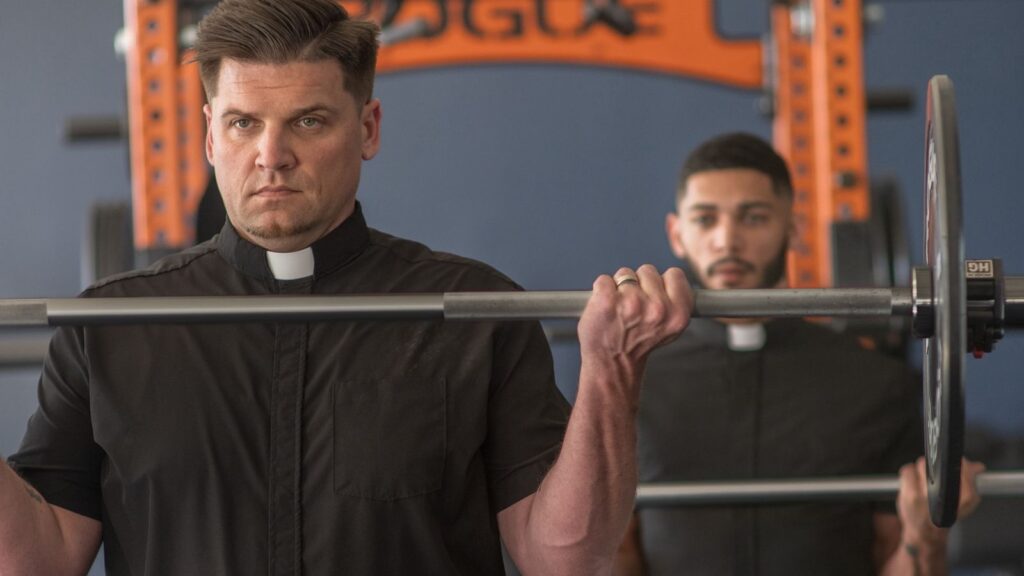
That is the problem Wicking Vicar set out to solve. Their performance clergy shirts keep the familiar tab collar and smart black finish, but use a four-way stretch fabric that moves with the wearer, wicks moisture away through long services, resists wrinkles and goes straight into the washing machine.
For a minister heading into back-to-back services, that means a shirt that still looks sharp at the midnight mass it started at the morning school assembly.
Finding the Gift in the Busyness
For all the late nights and full diaries, most clergy will tell you this is their favorite time of year.
It is the season when people who rarely come to church walk through the doors. When families gather to remember. When a child’s line in a nativity play reminds a whole room why they came.
The work is real, and so is the blessing. With a bit of planning, some protected rest and a few practical choices that make long days easier, ministers can reach Christmas morning tired but full, ready to celebrate the very thing they have spent three months preparing everyone else to receive.
