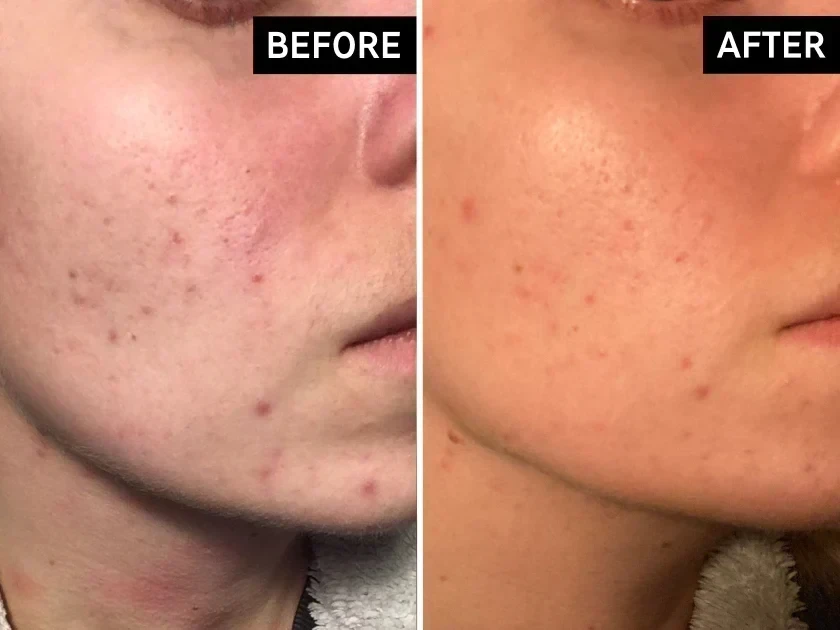
Acne-prone skin often needs more than one solution. While cleansing and moisturizing are important, exfoliation can also help keep dead skin cells from building up on the surface of the skin.
One ingredient that gets attention for this reason is glycolic acid. It is an alpha hydroxy acid (AHA) that gently loosens dead skin cells and can help improve several concerns associated with acne-prone skin.
But is glycolic acid actually good for acne? Its effectiveness can depend on your skin type, the kind of acne you experience, and the product you choose, such as a glycolic acid toner or cleanser.
What Is Glycolic Acid?
Glycolic acid is a water-soluble exfoliating ingredient derived from the AHA family. Because its molecules are relatively small, it can work on the skin’s surface to loosen the bonds between dead skin cells.
Regular exfoliation may help the skin look smoother and more even.
For people with acne-prone skin, this can be useful because excess dead skin cells can contribute to clogged pores and an uneven skin texture.
Why Is Glycolic Acid Good for Acne?
It can support acne-prone skin in several ways.
1. It Helps Remove Dead Skin Cells
Dead skin cells can accumulate on the skin’s surface. When combined with excess oil and other debris, they may contribute to clogged pores.
Glycolic acid exfoliates the surface of the skin, helping remove this buildup and leaving the skin feeling smoother.
2. It Can Help Unclog Pores
Keeping pores clear is an important part of managing acne-prone skin.
By encouraging the removal of excess dead skin cells, it may help reduce the conditions that contribute to clogged pores.
However, it isn’t a substitute for proven acne treatments, particularly when someone has persistent or inflammatory acne.
3. It Can Improve Uneven Skin Texture
Acne isn’t always the only concern. Breakouts can leave behind rough or uneven-looking skin.
Glycolic acid can improve the appearance of surface texture by increasing exfoliation. With consistent and appropriate use, skin may appear smoother and more refined.
4. It May Help With Post-Acne Dark Marks
After a breakout heals, some people are left with dark spots known as post-inflammatory hyperpigmentation.
Glycolic acid can encourage exfoliation of the outermost layers of the skin, which may help improve the appearance of uneven pigmentation over time.
This is different from treating an active acne lesion, but it can make glycolic acid useful for people dealing with both breakouts and their aftermath.
Does Glycolic Acid Treat Acne?
Glycolic acid can be helpful for acne-prone skin, but it should not be considered a universal acne treatment.
Its primary role is exfoliation. Depending on the individual, it may help with clogged pores, rough texture, and the appearance of post-acne marks.
For moderate or severe acne, painful cysts, or acne that isn’t improving, it is better to speak with a dermatologist. Evidence-based acne treatments may be more appropriate depending on the underlying cause and severity.
How to Use Glycolic Acid for Acne-Prone Skin
If you’re new to glycolic acid, starting slowly is usually better than using it too frequently.
A simple routine might look like this:
Evening
- Cleanse with a gentle cleanser.
- Apply a glycolic acid product according to its instructions.
- Follow with a simple moisturizer.
The exact frequency depends on the product’s concentration and your skin’s tolerance.
If your skin becomes persistently red, irritated, burning, or unusually dry, reduce use or stop and allow your skin to recover.
Don’t Over-Exfoliate
More exfoliation doesn’t necessarily mean better results.
Using glycolic acid too frequently—or combining it with several other strong exfoliating or active ingredients—can damage the skin barrier and cause irritation.
Signs that you may be overdoing it include:
- Persistent redness
- Burning or stinging
- Excessive dryness
- Peeling
- Increased sensitivity
A simple routine that your skin tolerates is usually better than an aggressive routine that causes irritation.
Can You Use Glycolic Acid Every Day?
Not everyone needs to use glycolic acid every day.
Beginners may want to start with occasional use and gradually increase frequency only if their skin tolerates it. Product concentration also matters, so always follow the manufacturer’s directions.
People with sensitive skin may need to use glycolic acid less frequently or choose a gentler exfoliating option.
What Should You Avoid Mixing With Glycolic Acid?
Glycolic acid can be combined with many skincare ingredients, but using several potent actives together can increase the risk of irritation.
Be particularly cautious when combining it in the same routine with other strong exfoliating acids or potentially irritating active ingredients.
If you’re unsure about combining products, introduce one active at a time. This makes it easier to identify what your skin tolerates.
Don’t Forget Sunscreen
Exfoliating acids can make skin more sensitive to the sun.
If you’re using glycolic acid, daily broad-spectrum sunscreen is an important part of your routine. Sunscreen is particularly important if you’re trying to improve the appearance of post-acne dark spots.
A simple routine can be more effective than constantly adding new products:
Toner → Treat → Moisturize → Protect
Who Should Be Careful With Glycolic Acid?
Glycolic acid isn’t right for everyone.
People with very sensitive, irritated, or damaged skin should be cautious with exfoliating acids. If you have a skin condition, persistent acne, or are using prescription acne medication, consider asking a dermatologist whether glycolic acid is appropriate for you.
It’s also a good idea to patch-test a new skin care products according to its instructions before applying it more broadly.
The Bottom Line
So, why is glycolic acid good for acne?
Its main benefit is exfoliation. By helping remove dead skin cells, glycolic acid can support smoother skin, help reduce the buildup that contributes to clogged pores, and improve the appearance of post-acne marks and uneven texture.
But glycolic acid isn’t a cure-all. The best results come from using it appropriately, avoiding over-exfoliation, keeping the skin moisturized, and protecting it from the sun.
If acne is persistent, painful, or leaving significant marks or scars, professional dermatological advice is the better next step.
For anyone introducing glycolic acid into a skincare routine, start conservatively, listen to your skin, and focus on consistency rather than using stronger products more often.
