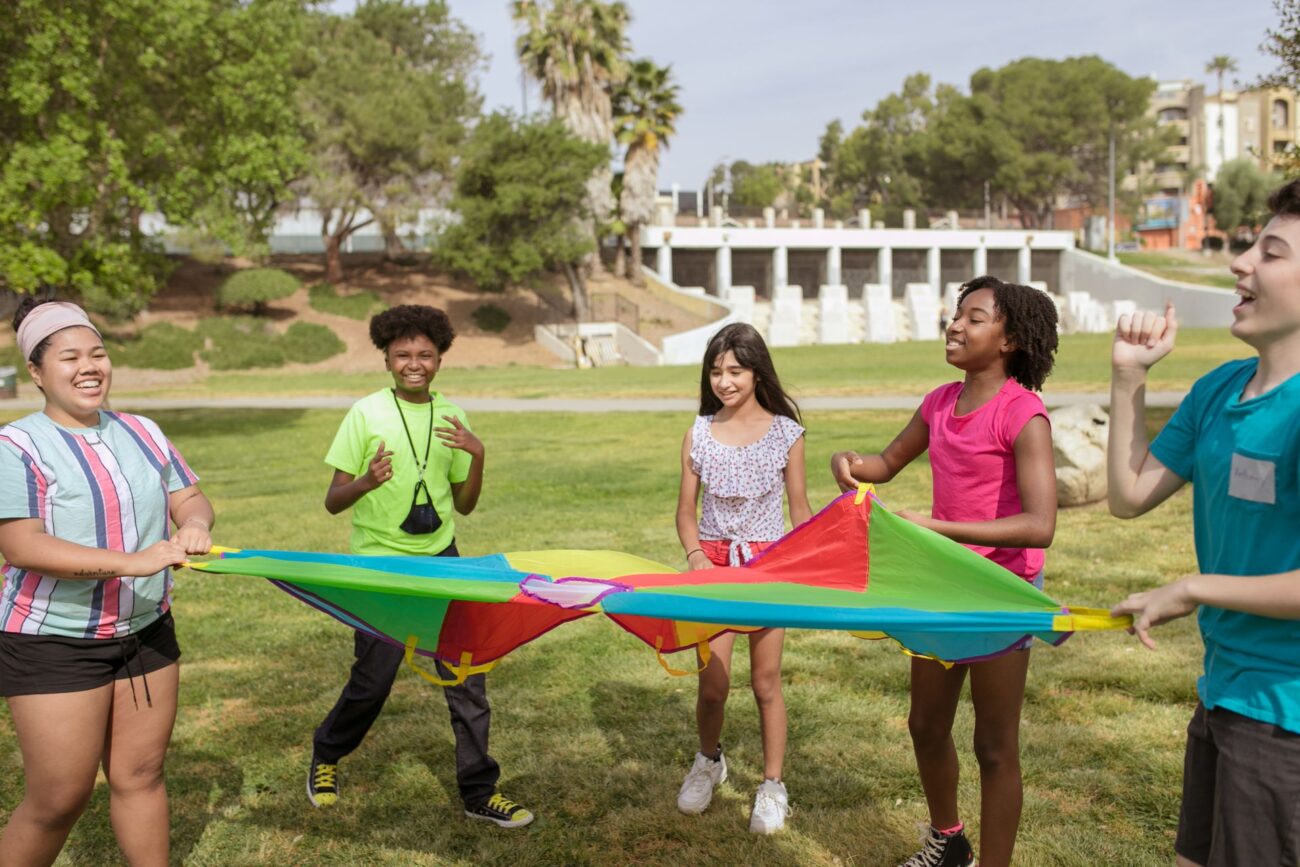
Summer is usually when teenagers want to switch off. No school. No early mornings. No assignments waiting at the end of the day. And honestly, that break matters. But a few weeks without school can also be a good time for teenagers to try things they normally would not get the chance to do. Not necessarily another academic course or something that looks good on a school application. Sometimes it’s simply an experience that makes them speak to new people, figure something out on their own or realise they’re actually capable of more than they thought.
Confidence tends to come from doing things, not just being told to feel confident. That’s why the right summer experience can be surprisingly valuable.
- Community Projects and Volunteering
Volunteering doesn’t have to mean spending the summer doing something huge. A teenager could help organise a local event, work with younger children, assist an animal shelter or take part in a neighbourhood clean-up. What matters more is whether they have something real to do.
Give them responsibility for registrations, supplies, planning or communicating with other volunteers and suddenly it becomes more than just “volunteering”. They have to show up. They have to deal with people. Sometimes something goes wrong and they have to work out what to do next. Those small situations can build confidence quite quickly.
UNICEF includes communication, problem-solving, decision-making and working with others among important competencies for adolescents.
- Outdoor and Adventure Programs
Teenagers spend a lot of time indoors and, increasingly, online. A few days’ outdoors can be a very different experience. Camping, hiking, canoeing and similar activities require young people to pay attention to what’s happening around them. They may have to navigate somewhere, help set up equipment, work with a group or adjust when the weather doesn’t cooperate. None of this needs to be extreme. Even something as simple as spending a day somewhere unfamiliar can give teenagers a chance to make decisions without having a parent nearby to solve every little problem.
And there’s the physical side too. Being active without it feeling like a formal workout is hardly a bad thing during a long school break.
- Short Internships and Work Experiences
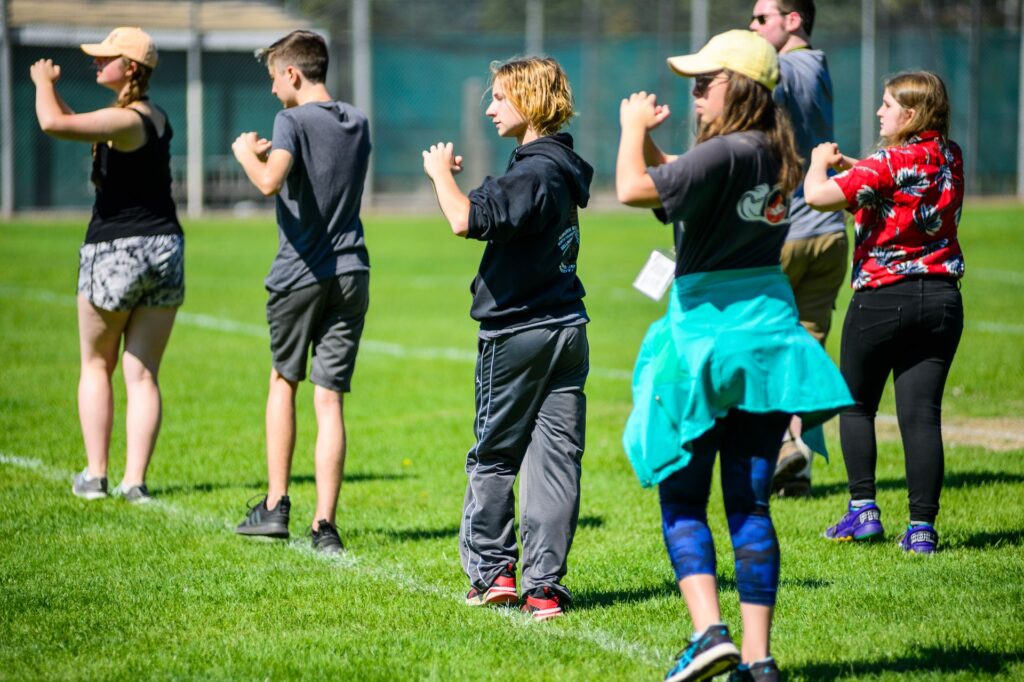
The working world can seem very distant when school is the centre of everything. A short internship or job-shadowing experience can change that. It gives teenagers a chance to see how people actually work together. They might sit in on a meeting, help organise information, assist with research or take on a small project. It may even help them realise that a particular career isn’t for them. That’s useful too.
Teenagers don’t need to know exactly what they want to do at 15 or 16. Getting exposure to different types of work can simply make future choices less confusing.
- Try a Skill That Has Nothing to Do with School
There’s something satisfying about becoming good at something completely new. Maybe it’s photography. Maybe cooking. Coding, graphic design, filmmaking, public speaking or even repairing something. The subject itself isn’t the main point. A teenager starts without knowing much, struggles a little, gets better and eventually has something to show for it. That process can do a lot for confidence. It also gives teenagers an identity outside grades and exams.
Being “good at maths” or “doing well in school” isn’t the only way young people should measure themselves.
- Language and Cultural Experiences
Learning a language from a textbook is one thing. Actually having to use it around other people is very different. Travel and cultural exchange programs can put teenagers in situations where they have to communicate with people they have never met before. Asking for directions, ordering something, joining a group or simply trying to keep a conversation going can be uncomfortable at first. That’s partly why it can be useful.
For teenagers who already love football, an English language football camp can bring language practice into an activity they already enjoy, while giving them opportunities to communicate with coaches and other players from different backgrounds.
The benefit isn’t limited to language. Young people also get used to being around people who may have different accents, habits or ways of doing things. UNICEF’s guidance on adolescent development also highlights communication and social interaction as important areas of development.
- Youth Entrepreneurship Programs
Entrepreneurship might sound like a very serious summer activity for a teenager. It doesn’t have to be. Many youth programs simply give teenagers a problem and ask them to come up with a solution. They might create a simple business idea, work out what it would cost, think about who would buy it and present the idea to other people. There will probably be bad ideas. There may be ideas that sound good until someone asks a difficult question. That’s actually part of the value.
Teenagers get to experience feedback without everything being treated as a test where one wrong answer means failure. They also start picking up basic ideas around money, budgeting and decision-making.
- Give Them Some Responsibility
There’s a big difference between being looked after and being trusted with something. Leadership programs, peer mentoring, junior coaching and counsellor-in-training roles can give older teenagers that opportunity. They might help younger children, organise an activity or step in when someone needs assistance. Of course, they still need adult supervision. The point isn’t to put teenagers in charge of everything. It’s to give them a little more responsibility than they are used to. Sometimes that’s enough to change how they see themselves.
The Experience Doesn’t Have to Look Impressive
There can be a temptation to choose summer activities because they sound really good. That’s probably not the best way to decide. A teenager might get far more from a simple program where they actually participate than from an expensive course where they spend most of the time sitting and listening.
Look at what the teenager will actually be doing. Will they have to communicate? Work with other people? Make decisions? Learn something practical? Deal with a situation without immediately asking someone else to fix it? Those questions are often more useful than the name of the program.
It also helps to let teenagers have some say in the decision. Choosing between a few suitable options, looking at schedules and discussing what they actually want to get from the summer gives them some ownership from the beginning. The World Health Organization also highlights supportive environments and opportunities for adolescents to develop skills and confidence as important parts of healthy development.
Summer doesn’t need to be packed from morning until night. A few weeks spent trying something unfamiliar, meeting different people and taking on a little more responsibility can be enough. The best part may simply be that moment when a teenager comes home and realises, perhaps a little reluctantly, that they managed it on their own.
