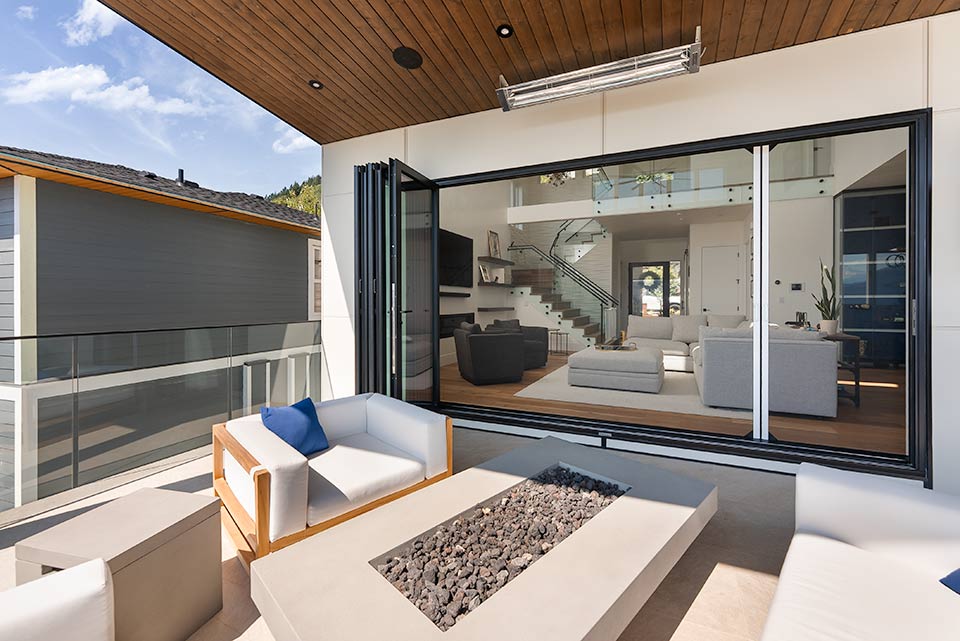
When people think about improving the performance of a home, their attention often goes first to heating systems, insulation, appliances, or roofing. Yet some of the most important parts of a house are also the simplest: the openings that connect indoor spaces with the outdoors. Windows, doors, and screens influence how much sunlight enters, how easily fresh air circulates, how comfortable rooms feel, and how well the home responds to changing weather.
That makes these features worth thinking about as part of a larger system rather than as isolated upgrades. A homeowner comparing ways to enjoy more ventilation without constantly dealing with insects, for instance, might visit Phantom Screens Long Island while considering how screens, doors, and windows can work together. The goal is not simply to replace one component. It is to create openings that make everyday spaces easier and more pleasant to use.
Let the House Breathe Without Giving Up Comfort
Fresh air can completely change the feeling of a room. Opening a door or window on a mild day reduces the sense of being enclosed and creates natural movement through the house. When openings are positioned and used effectively, cross-ventilation can help move warm or stale air outside while pulling fresher air into living spaces.
The problem is that an open doorway can also invite insects, leaves, and other outdoor annoyances inside. Screens make ventilation more practical by creating a barrier without closing the home off from the outdoors. Retractable designs can be particularly useful because they remain out of sight when they are not needed, preserving the appearance of an entryway while still making fresh-air access easy.
Good ventilation is not only about opening everything as wide as possible. The best results come from having flexible options. Being able to open one side of the house in the morning, another later in the day, or several openings at once allows homeowners to respond naturally to temperature, wind, and sunlight.
Natural Light Should Work With the Room
Windows have a major influence on how interior spaces look and feel. A room with generous daylight often feels larger, warmer, and more inviting than one that depends heavily on artificial lighting. Well-planned openings can also highlight architectural details, bring out the true colors of furnishings, and create a stronger visual connection with the outdoors.
At the same time, more glass is not automatically better. The direction of the sun, the size of the opening, and the way a room is used all matter. Strong afternoon sunlight may be welcome in one space but uncomfortable in another. Glare can make a home office difficult to use, while excessive solar heat can turn an otherwise comfortable room into a place people avoid during certain hours.
That is why window performance involves balancing light with temperature control. Modern window assemblies are designed to make that balance easier, allowing homeowners to enjoy brightness and views without accepting unnecessary drafts or uncomfortable heat gain.
Stop Treating Doors and Windows as Separate Decisions
Doors and windows are often replaced at different times, but they affect many of the same things. Both sit within the exterior shell of the house, both can become sources of air leakage, and both influence how comfortably indoor temperatures can be maintained. Looking at them together can reveal problems that are easy to miss when you consider each feature on its own.
For example, replacing an inefficient window may improve one section of a room, but an aging nearby door with worn seals can continue allowing unwanted air movement. Similarly, an attractive new entry door may make little difference to comfort if neighboring windows are poorly fitted. Performance depends less on one impressive product and more on how consistently the entire exterior boundary works.
Small Gaps Can Create Surprisingly Big Problems
A window or door does not need to be visibly damaged to affect indoor comfort. Tiny gaps around frames, worn weatherstripping, loose hardware, and deteriorated seals can all allow outdoor air to move through the building envelope. The result may be a room that feels unusually cold in winter, warmer than expected in summer, or simply harder to keep comfortable.
These problems can also cause heating and cooling equipment to work harder. If conditioned air continually escapes while outside air enters, the system must compensate for that loss. Over time, something as ordinary as an aging door seal can contribute to higher energy use and inconsistent temperatures between rooms.
Drafts are often easiest to notice near frequently used openings, but homeowners should pay attention to less obvious signs as well. Condensation, visible daylight around frames, sticking doors, and noticeable temperature differences near windows can all suggest that an opening deserves closer inspection.
Convenience Matters More Than It Gets Credit For
Home performance is sometimes discussed entirely in technical terms, but convenience is part of performance too. A feature only improves daily life if people actually enjoy using it.
A screen that is difficult to operate may stay closed. A window that sticks may rarely be opened. A heavy or poorly aligned door can become an irritation every time someone enters the house. Smooth operation, practical hardware, and thoughtful placement make it much more likely that homeowners will use these features as intended.
That matters because flexible openings allow a home to respond to the day. A comfortable afternoon might call for open doors and natural airflow, while a hot evening may require everything to be sealed efficiently. The easier those transitions are, the more naturally the home adapts.
Better Openings Create a More Livable Home
The value of good windows, doors, and screens goes beyond a single measurement. They influence energy use, airflow, daylight, views, security, noise, appearance, and the simple experience of moving through a house.
Improving them does not necessarily mean replacing every opening at once. Sometimes the most effective approach is to identify the weakest points first, whether that means correcting drafts, adding a practical screen, improving an entryway, or replacing windows that no longer perform as they should.
A better-performing home is ultimately one that responds comfortably to the people living inside it. When its openings provide the right balance of protection, efficiency, fresh air, natural light, and everyday convenience, the entire house becomes easier to enjoy.
