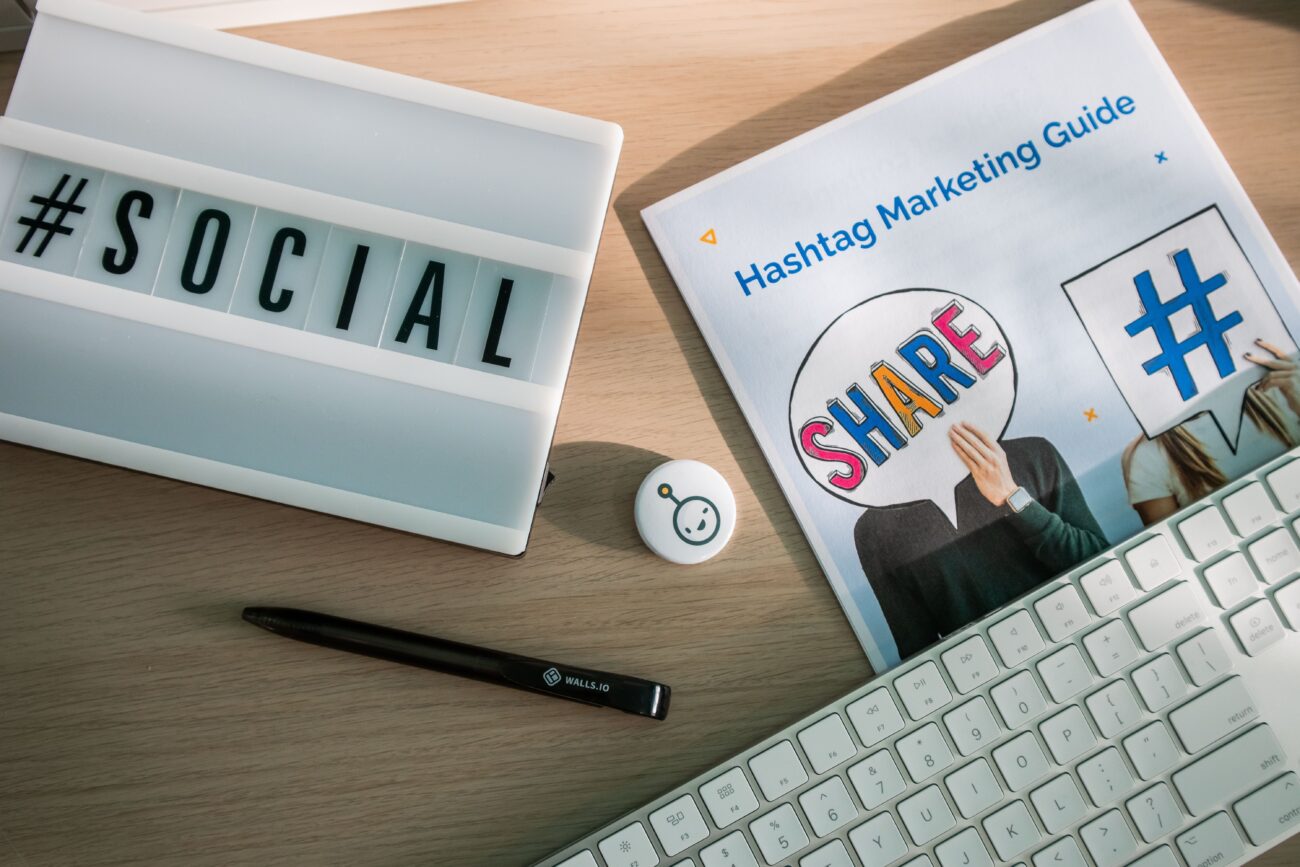
You write the post. You share the link. It reaches almost nobody.
The instinct is to assume the post was not good enough. Usually that is not the problem. The problem is that a social platform has no commercial reason to promote content that sends people somewhere else. Every outbound link asks the platform to give up attention it is measured on keeping.
Which means the click has to be earned rather than requested. That is the entire shift, and everything below follows from it.
It also helps to remember what you are building toward. The Powerline Blog has been publishing since 2002 and is still going in 2026, with a narrow focus and a readership that arrives directly rather than through whatever platform happens to be sending traffic that year. Whatever you make of its politics, the structural lesson holds. Social reach is rented. A blog and its readers are owned.
Here are seven strategies that respect that constraint, and one section on what does not work.
Key Takeaways
- Platforms suppress posts that send people away.
- Give the insight in the feed, keep the depth on the blog.
- One consistent destination beats a different link every week.
- Native fluency earns reach that link-dropping never will.
- Email is the bridge that makes social traffic compound.
Why Social Traffic Got Harder
This is not a conspiracy, and it is not personal. It is an incentive.
Platforms are valued on attention held. A post that keeps someone scrolling is worth more to them than a post that sends someone to your site. So content built around an exit tends to travel less far than content that does not.
Exact behaviour varies by platform and changes without announcement, so nobody can promise you a specific penalty. What is safe to say is that the incentive points one way, and building a strategy that ignores it means fighting the platform every week.
The strategies below work with it instead.
Strategy 1: Stop Leading With the Link
The failure pattern is familiar. A one-line summary, a URL, post, move on. It reaches your existing followers thinly and nobody else.
Try the opposite. Deliver a complete, useful thought in the feed itself. Make the post work as a post, so the reader gets something whether or not they ever click.
The counterintuitive part is that giving away your best idea increases clicks rather than replacing them. A reader who just received something valuable assumes there is more where it came from. A reader who received a teaser assumes the opposite.
Strategy 2: Make One Destination the Default
A different link every week teaches your audience nothing. They never learn where to go, so they only go when you push them.
Pick one hub and reference it constantly. Your latest piece, your best piece, and a way to subscribe should all live there.
This sounds small, and it compounds. Repetition builds recall, and recall is what produces direct traffic six months later, when someone thinks of your site without needing a link in front of them.
Strategy 3: Rebuild the Post, Do Not Summarise It
A summary tells people they already have the point. That removes the reason to click, which is the opposite of the intention.
A rebuild takes one idea from the post and makes it native to the platform. A carousel. A short video. A thread. A single image with one sentence on it. The reader should not be able to tell it started life as a blog post.
One post should yield three to five of these. Not five variations of the same caption, but five different ideas from the same piece, each shaped for where it is going.
Strategy 4: Publish the Framework, Keep the Depth
Share the structure. The list, the steps, the model, the five things.
Keep the worked examples, the caveats, the edge cases, and the detail on the blog, where there is room for them.
There is a line here worth respecting. The version in the feed has to be genuinely useful on its own. If it only makes sense after clicking, it is bait, and audiences work that out quickly. The difference between a good hook and a bad one is whether the person who never clicks still got something.
Strategy 5: Work the Comments Like a Native
Comments are where reach gets decided, and most bloggers treat them as an afterthought.
Reply to every comment on your own posts in the first hour. Early engagement is a real signal, and it is the cheapest one available to you.
Comment on other accounts in your niche before you need anything from them. Not promotional comments. Actual responses to what they said.
There is also a fluency dimension that is easy to underestimate. Every platform has its own conventions, and the people who use a platform daily can tell instantly who else does. Things like the shortcodes behind TikTok emojis are a small example of that native layer, though in practice these codes are inconsistent and often display as plain text rather than rendering. The point is not the codes themselves. It is that communities notice the difference between someone participating and someone broadcasting, and reach follows accordingly.
Strategy 6: Route Social Into Email
Here is the compounding argument, and it is the most important one on this page.
Social reach resets with every post. You start from roughly zero each time, subject to conditions you do not control. An email list does not reset. It accumulates, and it survives platform changes entirely.
So the sequence to build is social earns attention, email captures it, email sends traffic to the blog reliably and repeatedly.
A modest list that actually opens outperforms a large following that scrolls past. Ten thousand followers who never see your posts are worth less than eight hundred subscribers who read them.
One practical note: give people a reason to subscribe that is not “subscribe to my newsletter.” Nobody wants a newsletter. They want the thing the newsletter contains.
Strategy 7: Track by Post, Then Repeat
Total traffic tells you the month went well. That is not information you can act on.
Traffic by post tells you what to make next week. Tag your links, check them weekly, and note which formats actually sent people rather than which ones felt good to publish.
Most bloggers who do this properly hit the same uncomfortable finding. Two or three formats produce nearly all the traffic, and everything else is habit. Cutting the habit frees up hours.
What Does Not Work
This is the part that earns the word “actually” in the title.
Posting the same link repeatedly with different captions. The link is still the point of the post, so the reach problem is unchanged.
Automated cross-posting. It leaves platform-specific formatting broken and signals that nobody is really there, which is the opposite of Strategy 5.
Buying traffic. It produces sessions, not readers. Nobody who arrives this way subscribes, returns, or shares.
Comment-for-comment groups. They inflate numbers with engagement that carries no information about whether your content is any good.
Treating every platform as one channel. One message pushed everywhere performs poorly everywhere, because native content is the price of reach.
How to Tell Which Strategy Is Working
Each of these produces a different signal, and several show progress before traffic moves at all.
| Strategy | Effort | What success looks like |
| Lead with the insight | Medium | Saves and shares rise before clicks do |
| One consistent destination | Low | Direct traffic grows month over month |
| Native rebuilds | High | Reach improves on posts without links |
| Framework in feed, depth on blog | Medium | Higher click-through from fewer posts |
| Comment fluency | Low, daily | Profile visits from other accounts’ posts |
| Route into email | Medium | Traffic that survives an algorithm change |
| Track by post | Low | You stop making formats that never worked |
The Weekly Loop
Publish the post. Produce three native pieces from it during the week. Spend fifteen minutes a day in comments. Check your tagged links on Friday and let that decide what you make next week.
That loop is the strategy. The seven items above are just its parts.
Conclusion
Every strategy here is a version of the same move. Give enough away in the feed that leaving it feels worthwhile, then make sure the place people land is somewhere you own.
Borrowed reach resets with every post and every algorithm change. A blog and an email list only accumulate. The seven above are simply the mechanics of moving people from the first thing to the second.
FAQs
Do links in captions really get less reach?
Platforms do not publish their ranking rules, so treat this as an incentive rather than a proven mechanic. What is consistent is that content designed to keep people in the feed tends to travel further than content designed to remove them from it.
How many social posts should one blog post produce?
Three to five native pieces, each built from a different idea in the post rather than a reworded version of the same one.
Which platform sends the most blog traffic?
It depends entirely on your subject and where your readers already are. Test two properly rather than spreading yourself across six.
Is it worth posting to a platform I do not enjoy?
Usually not. Native fluency requires actually using the thing, and reluctant posting is visible in the output.
How long before social traffic becomes meaningful?
Months rather than weeks. The email list is what makes the wait tolerable, because it keeps the audience you earn along the way.
