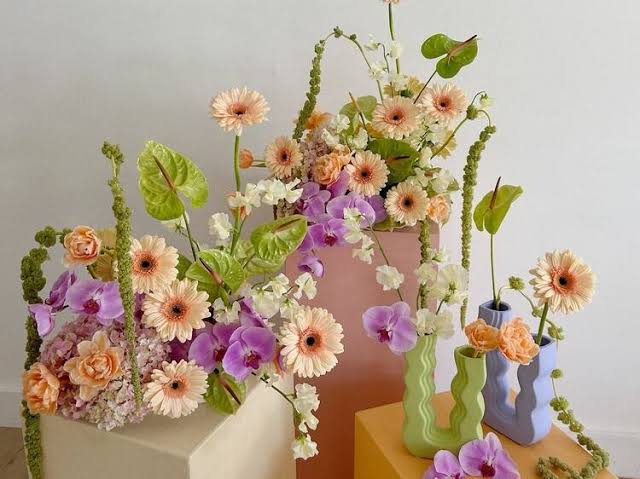
Floral design is one of the most sensory of the visual arts. The work exists in smell, in texture, in the way light moves through translucent petals, in the specific weight and softness of a peony versus the architectural precision of a protea. Photographs capture some of this. Video captures more. But the experience of the work — the full sensory immersion of being in a room full of flowers — is something that no visual medium alone can fully convey.
Music is the sensory layer that video can add to reach toward that full experience. The right audio underneath a floral arrangement video doesn’t just make the content more pleasant to watch; it communicates the feeling of the flowers themselves — the delicate, the wild, the structured, the abundant — in a way that extends what the visual can do alone. Florists who think carefully about this dimension of their content create something that feels closer to an experience than to a product demonstration.
Music That Captures the Feeling of the Arrangement
The emotional range of floral work is wide. A minimalist ikebana arrangement has a completely different feeling from an abundant English garden-style bridal installation. A single dramatic tropical bloom reads differently from a cascading spring meadow bouquet. A dark, moody autumn arrangement in deep burgundy and black works in a different register from a fresh, bright summer centerpiece in citrus and white.
An ai song generator generates original music from a description of the specific arrangement’s feeling and aesthetic. “Minimal, Japanese-influenced, sparse, contemplative, the feeling of negative space and intention” for a precision ikebana piece. “Abundant, soft, romantic, the feeling of a garden after rain” for an English garden bridal arrangement. “Dark, lush, slightly theatrical, deep color, the feeling of late autumn” for a moody editorial arrangement. The music is generated for the specific work rather than chosen from a library of “floral content music” that doesn’t distinguish between wildly different aesthetic territories.
For floral designers who work across multiple styles — bridal, editorial, event, everyday — having music that’s specific to each piece rather than a single consistent backing track across all content creates a more sophisticated portfolio presence. Each arrangement has its own atmosphere, and the music communicates that atmosphere as part of the work’s identity.
Adapting the Seasonal Palette Into Sound
Floristry operates on a deeply seasonal rhythm. The flowers available in March are completely different from those in July, and the color palettes, textures, and emotional registers of the work shift accordingly. Spring arrangements have a specific feeling — light, fresh, renewing — that’s entirely different from the warmth and abundance of summer, the richness of autumn, or the quiet restraint of winter.
An ai song cover generator is a practical tool for florists who have developed a consistent core musical identity for their brand but want to adapt that identity to the seasonal character of the work. Upload a track that represents the brand’s sonic signature and reinterpret it in the emotional register of the current season — a lighter, more open production for spring content, something richer and more saturated for autumn, something more spare and considered for winter. The melodic identity that clients associate with the brand stays consistent; the seasonal feeling shifts to match the work being shown.
For social media content specifically — where the visual palette is already shifting with the seasons — having audio that follows the same seasonal logic creates a more coherent and intentional content experience across a full year of posting.
Behind-the-Scenes and Process Content
Some of the most engaging floral content shows the work being made rather than just the finished result: the market haul, the conditioning and processing, the arranging process from blank vessel to finished piece. This process content has a different pacing from a polished portfolio video — it’s more immediate, more physical, more documentary — and it needs music that fits that different register.
Text to music generates music from a description of the content’s specific mood and pace. “Unhurried, warm, tactile, the sound of someone working with their hands on something they love” for a slow, meditative arrangement process video. “Busy, market-energy, early morning, the feeling of abundance and choice” for a flower market haul video. “Focused, methodical, satisfying, the feeling of a problem being solved beautifully” for a structural, technique-focused arrangement breakdown.
Each of these descriptions produces music that serves the specific content rather than applying the same backdrop to wildly different types of behind-the-scenes material. For florists who post process content regularly, this level of audio intentionality creates a body of content that feels considered throughout rather than polished in the final portfolio shots and casual in everything else.
Wedding and Event Proposals
For florists who specialize in weddings and large events, the proposal process — presenting a concept to a client before a single stem has been purchased — is a critical moment. Mood boards and design decks communicate the visual direction; music in a concept presentation video communicates the feeling of the space the flowers will create.
A proposal video for a garden-romantic ceremony installation, accompanied by music generated from the emotional brief of that specific wedding’s concept, gives a client a more complete preview of the experience being proposed than visuals alone. The music helps them feel what it will be like to stand in the space, surrounded by the flowers, on the day itself — which is the emotional experience the florist is actually selling.
For wedding florists competing for high-budget events where multiple studios are presenting proposals, this level of sensory completeness in the presentation is a differentiator that matters to the clients who can feel the difference between a proposal that shows them something and one that makes them feel something.
