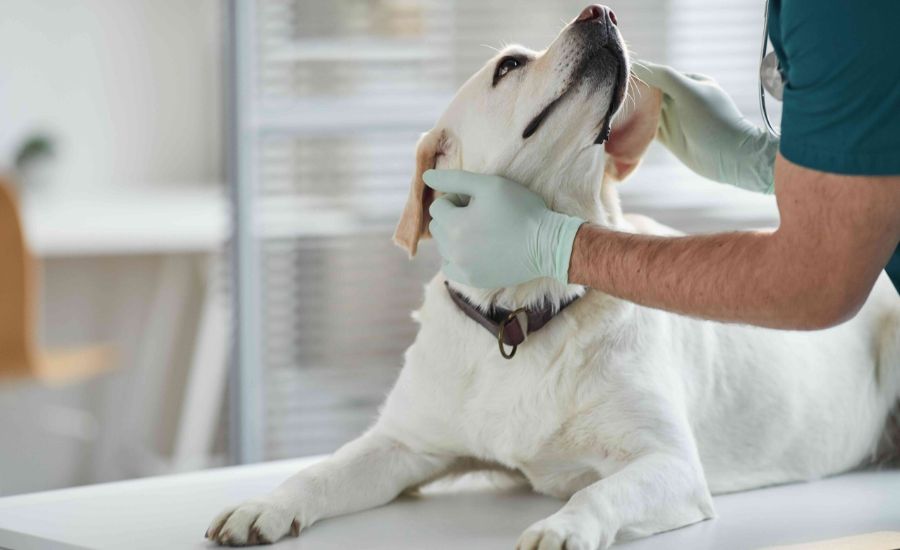
You know your pet’s normal rhythm. The way they greet you at the door, how fast they finish dinner, where they like to sleep, what “off” looks like before anyone else sees it. That is why it feels so unsettling when something changes and you are left wondering whether it is a small issue, a sign of pain, or the start of something bigger. In those moments, the quality of the care you choose matters more than most people realize, especially when working with a veterinarian in Alexandria, VA.
Why choosing the right animal hospital improves pet longevity comes down to one simple truth. Pets live longer, healthier lives when problems are caught early, managed well, and followed over time by a team that knows what to look for. The right hospital does more than treat emergencies. It builds a history, tracks patterns, guides prevention, and helps you make good decisions before a crisis takes over.
The Right Animal Hospital Changes What Gets Caught Early
A rushed visit can miss the small things that turn into hard things. Mild weight loss, dental disease, early arthritis, skin changes, a new heart murmur, shifts in thirst, subtle behavior changes. These are easy to brush off at home because pets are good at hiding discomfort. A strong veterinary team does not wait for obvious decline. They compare current exams to past records, ask better questions, and connect details that seem unrelated.
That matters because pet aging moves faster than human aging. The American Veterinary Medical Association explains that pets age faster than people, which means a year without preventive care can represent a major health gap. A dog or cat can move from healthy to managing a chronic condition in what feels like no time at all.
You see this often with kidney disease, diabetes, dental infections, and cancer. When found early, care is usually less invasive, less expensive, and more effective. When found late, treatment becomes harder on both your pet and your budget. That is one of the clearest reasons selecting the best veterinary care for your pet affects lifespan.
Good Veterinary Care Protects More Than One Health Problem
Longer life is not only about treating illness. It is also about preventing the chain reaction that follows neglected care. A pet with untreated dental disease may stop eating well, lose weight, and live with constant inflammation. A pet with unmanaged arthritis may move less, gain weight, and develop more joint stress. A missed parasite issue can affect the whole household, especially when children, older adults, or anyone with a weaker immune system is involved.
The Centers for Disease Control and Prevention offers practical guidance on healthy pets and safe daily care, including prevention steps that reduce illness for both pets and people. A reliable animal hospital reinforces those habits during regular visits, instead of waiting until there is a serious problem to discuss them.
The difference is consistency. Vaccines stay on schedule. Lab work happens when it should. Nutrition gets adjusted as your pet ages. Breed related risks are watched closely. If your pet needs a specialist, you are referred sooner, not after months of uncertainty. This is how a good clinic supports pet longevity through quality veterinary care without making every visit feel dramatic.
Comparing Animal Hospital Care Over a Pet’s Lifetime
| Care Factor | Well Chosen Animal Hospital | Poor Fit or Inconsistent Care |
|---|---|---|
| Preventive exams | Regular exams based on age, breed, and history | Visits happen only when symptoms are obvious |
| Medical records | Clear history that helps spot patterns early | Fragmented records across urgent visits |
| Chronic disease management | Follow up plans, repeat labs, medication review | Delayed monitoring and inconsistent treatment |
| Dental and weight control | Addressed as part of routine care | Often ignored until pain or illness appears |
| Emergency readiness | Fast triage and knowledge of your pet’s baseline | No established relationship during urgent moments |
| Long term cost | More predictable spending through prevention | Higher costs from late stage treatment |
You do not need a perfect hospital. You need one that is attentive, organized, and proactive. A polished lobby means very little if follow up is poor. A smaller practice can be excellent if the medicine is solid and communication is clear. The best fit is the one that helps you stay ahead of problems instead of reacting to them.
What to Look for When Choosing an Animal Hospital
The strongest signs are often practical. Does the staff explain findings in plain language. Do they recommend testing for a reason, not out of habit. Do they discuss prevention, pain control, nutrition, and senior care. Do they respond when your pet’s condition changes. Good care feels steady, not confusing.
Look at how the hospital handles the ordinary visits, because that tells you how they will handle the difficult ones. If your young cat comes in for an exam and the team notices early dental changes, discusses home care, and sets a recheck plan, that is a clinic thinking long term. If your older dog starts drinking more water and the hospital recommends bloodwork right away instead of telling you to watch and wait for weeks, that is an animal hospital acting in your pet’s best interest.
Three Steps You Can Take Right Away
1. Review your pet’s care history. Check when the last exam, dental evaluation, vaccine review, and lab tests were done. If you cannot easily answer those questions, your pet may already be overdue for preventive care.
2. Call and ask direct questions. Ask how the hospital handles senior pet screenings, chronic disease follow up, urgent appointments, and after hours emergencies. The answers will tell you a lot about how they practice medicine.
3. Schedule before there is a crisis. It is much easier to build a relationship with a veterinary team during a routine visit than during a frightening emergency. That first baseline exam gives the hospital something to compare against later.
The Right Animal Hospital Supports a Longer, Better Life
You are not overthinking this. Choosing where your pet gets care can shape how long they live and how well they feel along the way. The right hospital catches problems sooner, guides you through hard decisions, and gives your pet a better shot at more good years. If your current care feels reactive, scattered, or hard to trust, this is a good time to make a change and set up a visit with an animal hospital that takes long term health seriously.
