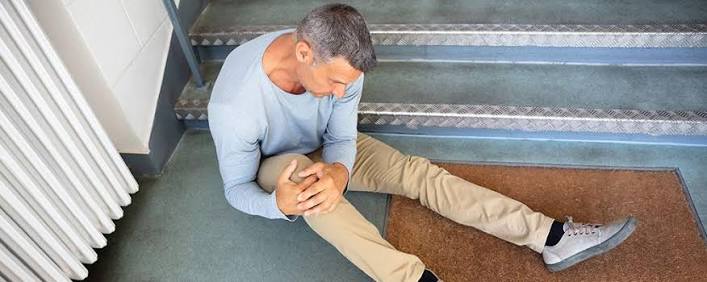
Slip and fall accidents in Santa Clara can happen almost anywhere, including grocery stores, shopping centers, restaurants, apartment buildings, parking lots, and office spaces. Although some falls cause only minor discomfort, others can lead to serious injuries that affect a person’s health, work, and daily routine.
When an accident happens because of an unsafe property condition, knowing what steps to take can help protect your health and legal rights. Understanding how these incidents occur, what evidence matters, and when to seek legal guidance can make the recovery process easier to manage.
Common Causes of Slip and Fall Accidents
Many slip and fall accidents happen because a property contains a hazard that could have been addressed through reasonable care. Property owners and businesses should take appropriate steps to keep their premises reasonably safe for visitors.
Some common causes include:
- Wet or slippery floors: Spilled drinks, recently cleaned floors, and water near entrances can create dangerous surfaces.
- Uneven walkways: Cracked sidewalks, damaged tiles, and raised flooring can cause people to lose their balance.
- Poor lighting: Dark hallways, staircases, and parking areas can make hazards difficult to notice.
- Loose carpets and mats: Unsecured rugs or torn carpeting may catch someone’s foot.
- Unsafe stairs: Broken steps, loose handrails, and missing warning signs can increase the risk of falling.
- Cluttered walkways: Boxes, cables, merchandise, and other objects may obstruct pedestrian paths.
Recognizing the cause of a fall is important because the circumstances may help determine whether another party failed to take reasonable precautions.
What Should You Do Immediately After a Fall?
Your health should always come first after an accident. Even if you initially feel fine, some injuries may become more noticeable hours or days later.
Consider taking the following steps:
1. Get medical attention. Seek appropriate medical care, especially if you experience severe pain, swelling, dizziness, or difficulty moving. Keep copies of medical records and treatment instructions.
2. Report the incident. If the fall occurred at a business or residential property, notify the manager, property owner, or responsible staff member. Ask whether an incident report can be completed and keep a copy if available.
3. Take photographs. If it is safe to do so, photograph the wet floor, damaged surface, poor lighting, missing handrail, or other condition that contributed to the fall. Capture the surrounding area as well.
4. Collect witness information. If anyone saw the accident, ask for their contact details. Witnesses may later help clarify how the incident happened.
5. Keep relevant documents. Save medical bills, receipts, correspondence, and records of missed work. Avoid throwing away damaged clothing or footwear that may be relevant to the incident.
These steps can help preserve useful information while you focus on your recovery.
Understanding Property Owner Responsibility
In California, slip and fall cases generally fall under premises liability law. Property owners and people responsible for maintaining a property may have a duty to use reasonable care to keep the premises safe.
However, an accident does not automatically mean the property owner is legally responsible. The circumstances matter, including how the hazardous condition developed and whether the responsible party knew about it or should reasonably have discovered it.
For example, a store might face a potential claim if a spill remained on the floor long enough that reasonable inspections should have identified it. A broken step that was reported repeatedly but never repaired may also raise questions about property maintenance.
Evidence such as maintenance records, photographs, inspection logs, witness statements, and surveillance footage may help establish what happened. Each case must be assessed according to its specific facts.
How Injuries Can Affect Your Daily Life
The consequences of a fall can extend beyond the initial pain. Some people experience bruises and sprains, while others suffer fractures, back injuries, head trauma, or damage to their joints.
Depending on the severity of the injury, a person may need physical therapy, medication, follow-up appointments, or time away from work. Everyday activities such as driving, walking, shopping, and caring for family members can also become more difficult.
Keeping a record of symptoms, treatment appointments, expenses, and work limitations can help document how the injury affects your life. Follow your healthcare provider’s recommendations and avoid returning to strenuous activities before you are medically ready.
When Should You Consider Legal Assistance?
Legal guidance may be helpful when an accident causes significant injuries, medical expenses, lost income, or disagreements about who was responsible. An attorney can review the available evidence, explain possible options, and help determine whether a claim may be appropriate.
People looking for a slip and fall injury attorney santa clara may want to discuss the cause of the accident, the extent of their injuries, and the evidence available to support their account.
It can also be useful to ask about the attorney’s experience with premises liability claims, communication practices, fees, and the potential costs involved. Clear answers can help you decide whether legal representation is right for your circumstances.
What Compensation May Be Available?
Depending on the facts and applicable law, a successful personal injury claim may include compensation for certain losses connected to the accident.
Potential damages can include:
- Medical treatment and rehabilitation expenses
- Lost wages and certain reductions in future earning capacity
- Pain and suffering
- Physical limitations and the impact on everyday activities
- Other documented losses permitted under applicable law
Compensation is not guaranteed. The amount, if any, depends on factors such as injury severity, supporting evidence, liability, and the rules that apply to the claim. California also follows comparative fault principles, meaning a person’s share of responsibility may affect the amount recoverable.
Be Aware of Important Legal Deadlines
Personal injury claims are subject to deadlines. In many California cases, the general deadline to file a personal injury lawsuit is two years from the date of injury, but exceptions can apply.
Claims involving a city, county, or other public entity may have much shorter initial claim deadlines. Because the rules depend on the circumstances, it is wise to seek qualified legal advice promptly rather than assume you have plenty of time.
Conclusion
A slip and fall accident can create unexpected physical, emotional, and financial challenges. Getting medical care, reporting the incident, documenting the hazard, and preserving relevant records are practical steps that may help protect your interests.
If unsafe property conditions may have contributed to your injuries, learning about your legal options can help you make an informed decision. Every case is different, so consider your individual circumstances and seek professional guidance when needed.
